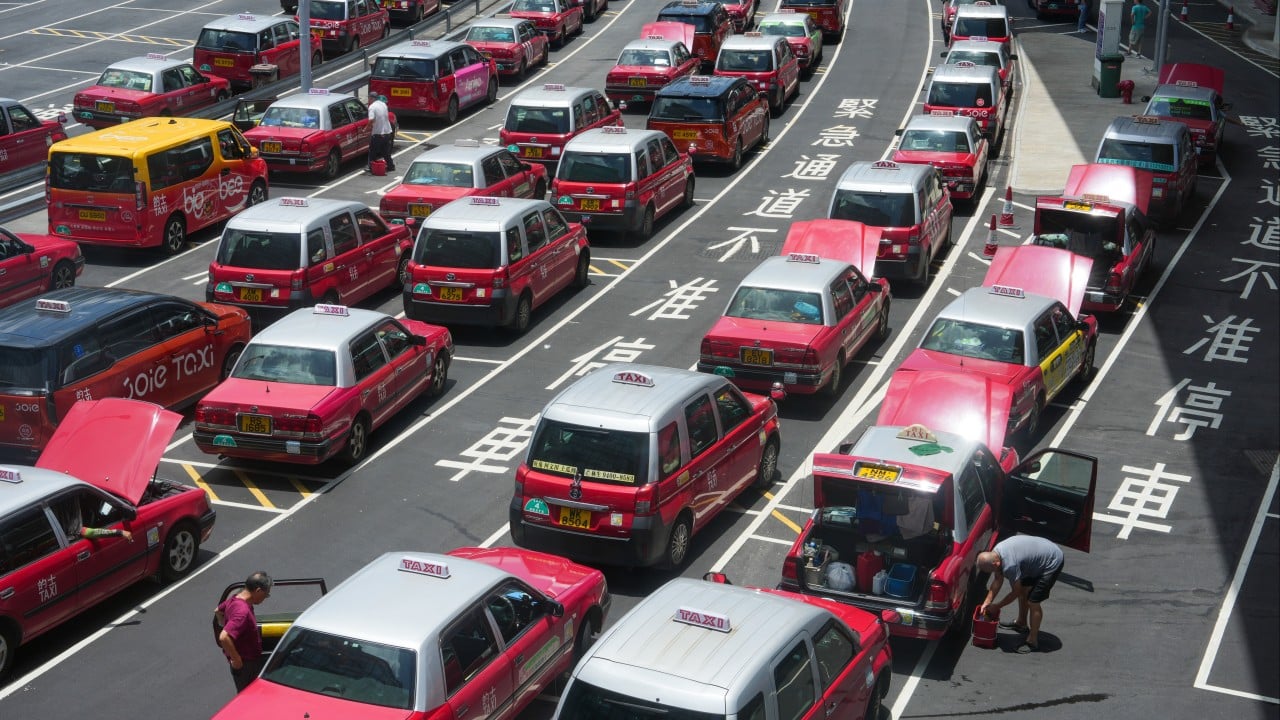
If you've ever stood on a Hong Kong street corner waving frantically at a red taxi only to watch the driver speed past or shake their head, you know the frustration. For decades, poor service, passenger rejections, and overcharging felt like an unavoidable cost of hailing a cab in the city.
That culture is changing.
Authorities recently confirmed that three local taxi drivers have been officially banned from driving cabs for three months after crossing a critical demerit threshold. It is a milestone moment for the city’s transport sector, marking the first time the strict penalties of the demerit points system have actually sidelined repeat offenders.
How the Demerit Points System Works
Launched in September 2024, the Taxi-Driver-Offence Points system was built to tackle long-standing service issues that plagued Hong Kong's transport network. The framework covers 11 distinct types of driver misconduct. Depending on the infraction, drivers receive three, five, or ten demerit points.
The worst offenses—such as overcharging passengers, refusing a hire, taking deliberately indirect routes, or tampering with the taximeter—carry the maximum penalty of 10 points right out of the gate.
The rule is straightforward: accumulate 15 points or more within a two-year window, and you lose your right to drive a taxi for three months. Repeat offenders face a harsher six-month suspension.
The Numbers Behind the Crackdown
The system isn't just sitting on paper. Recent updates from transport officials reveal that over 200 drivers have already been penalized since the program launched. Out of nearly 6,000 complaints logged by the Transport Department up to August, a staggering number centered on refusal of hire and inflated fares.
Out of those thousands of grievances, hundreds of drivers racked up points, and three crossed the 15-point red line, resulting in mandatory three-month disqualifications. Another group of drivers who hit 10 points or more were forced to complete mandatory improvement courses.
Critics have long argued that complaints against Hong Kong cabbies vanish into a bureaucratic black hole. These recent suspensions prove otherwise. When drivers refuse to take passengers to the New Territories or try to pad fares for tourists, the paper trail now carries real financial and professional consequences.
Dashcams and Satellite Tracking Coming Next
Government measures won't stop at demerit points. Transport authorities announced that starting later this year, all registered taxis in Hong Kong must be equipped with a comprehensive journey-recording system.
This upcoming mandate requires:
- A forward-facing dash camera
- An in-vehicle audio and video recording system
- A global navigation satellite system
This tech upgrade aims to eliminate he-said-she-said arguments. When a dispute erupts over a rejected fare or an unfriendly detour, investigators won't have to rely purely on conflicting statements. They will have concrete digital evidence. Drivers who complain about unfair treatment will find themselves held accountable by high-definition logs.
What This Means for Commuters and Drivers
If you are a daily commuter, the shift is welcome news. The city's transport ecosystem relies heavily on its fleet of more than 18,000 taxis. Ensuring that drivers treat locals and tourists with basic professionalism protects Hong Kong's reputation as a world-class metropolis.
For honest drivers who take pride in their work, the crackdown is equally important. Rogue operators who overcharge or reject fares have dragged down the reputation of the entire profession. Cleaning up the bad actors helps restore public trust in the trade.
Check your routes, know your rights as a passenger, and expect higher standards on the road ahead. Bad service in Hong Kong is officially on borrowed time.



