Names have weight. Sometimes, they are chosen by the powerful to mock, diminish, and silence. But history proves that reclaiming an insult is one of the most effective ways to break a regime's narrative.
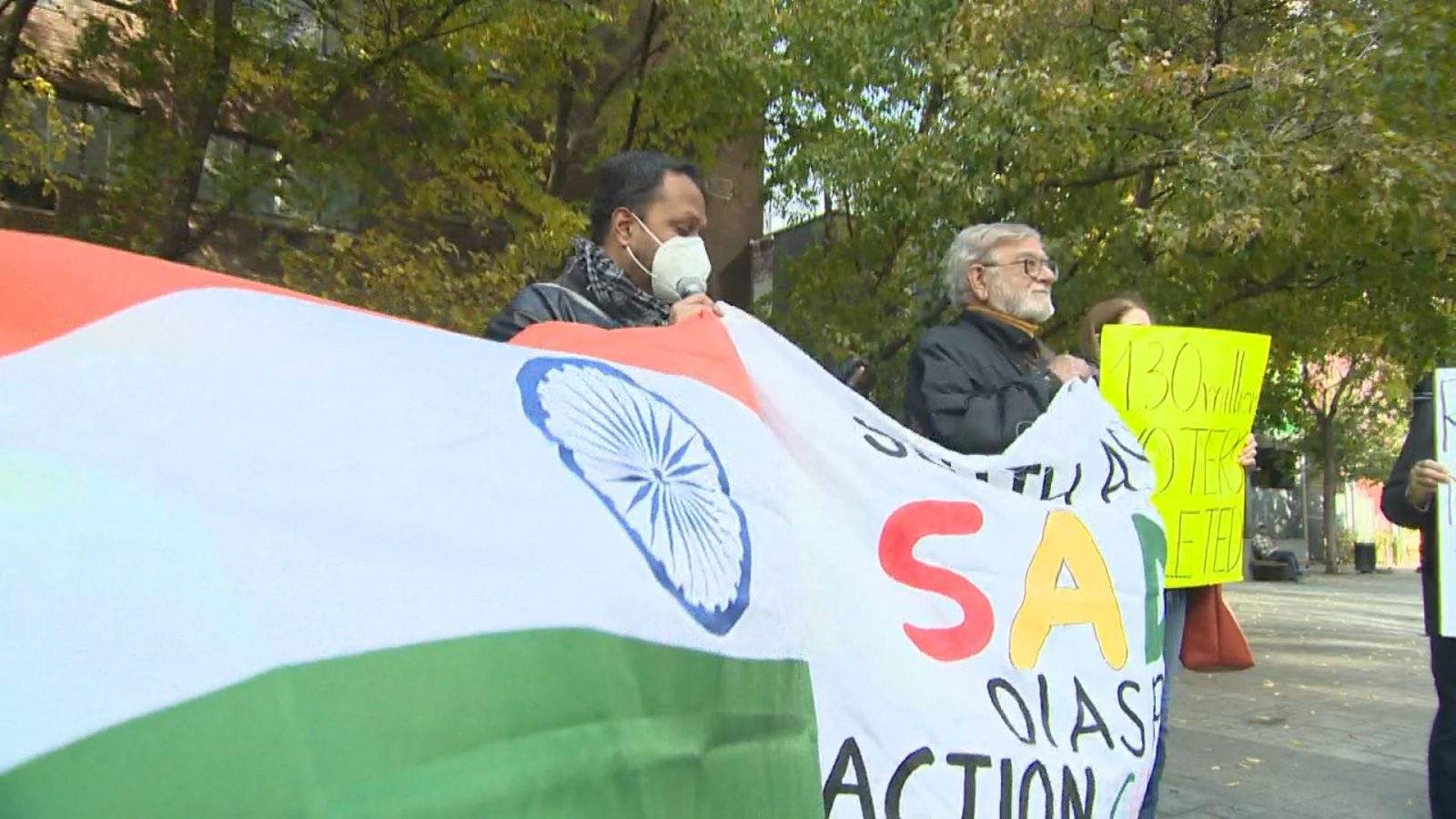
That exact dynamic played out at Norman Bethune Square in Montreal, where crowds gathered in solidarity with the rising generation of activists driving India’s Cockroach youth movement. What started as an offhand judicial jab has morphed into a cross-border rallying cry against democratic erosion, electoral list controversies, and institutional crackdowns.
The Insult That Started a Revolution
Back in May, India's Chief Justice Surya Kant compared the nation's younger generation to cockroaches. The commentary painted students and digital-native citizens as nuisance actors who swarm online spaces to attack democratic institutions without contributing anything of substance.
Instead of backing down, activists took the label and wore it as a badge of honor. They pointed out that cockroaches are resilient, impossible to ignore, and notoriously difficult to exterminate. Associated Press has also covered this important issue in great detail.
The nickname stuck because it captured the exact feeling of a demographic locked out of institutional power. When administrative failures, repeated college paper leaks, and cheating scandals hit the higher education system, young Indians took to the streets. The momentum only accelerated when election authorities began revising voter lists, dropping over 130 million entries and sparking massive demands for the resignation of Chief Election Commissioner Gyanesh Kumar.
Prime Minister Narendra Modi’s Bharatiya Janata Party (BJP) along with the Election Commission defended the registry updates as routine maintenance to clear out duplicates. Protesters and opposition parties call it something else entirely: a systematic attempt to skew electoral outcomes.
Montreal Take Notice
Thousands of miles away from New Delhi, Montreal's diaspora and local allies are watching the crackdown with deep concern. The gathering at Norman Bethune Square wasn't just a localized gathering of expats; it drew people from diverse backgrounds recognizing a broader democratic decay.
Abid Khan, an attendee at the Montreal solidarity protest, pointed directly at the climate of fear gripping the subcontinent. People are terrified of speaking out, demanding justice, or questioning authority without facing immediate repercussions. When a state starts treating dissent as a criminal act, the boundary between democracy and authoritarianism disappears.
Rundranil Raha, another Montrealer who grew up in India around the time the BJP swept into power in 2014, noted that the pluralistic, inclusive society he was promised has been systematically dismantled. He pointed out that while dominant demographics might skate by in silence, minorities, women, and marginalized groups bear the immediate cost of rising nationalism.
The solidarity hasn't stayed restricted to the Indian diaspora either. Zahra Haider, a Pakistani participant at the Montreal rally, emphasized that geopolitical boundaries don't stop political shockwaves. Regional instability and the erosion of civic rights anywhere in South Asia inevitably ripple outward, making cross-border solidarity essential.
Global Trade Versus Human Rights
While grassroots supporters in Canada are organizing rallies and demanding accountability, federal policymakers are playing a completely different game.
International Trade Minister Maninder Sidhu traveled to India to push for a finalized free-trade agreement before the end of the year. Critics like Rahul Varma argue that economic pragmatism cannot blind Ottawa to ongoing crackdowns. Engaging in commerce without placing human rights and democratic guardrails front and center sends a dangerous signal. Silence from Western governments acts as tacit approval for authoritarian overreach.
The situation in India serves as a stark reminder that modern political repression doesn't always arrive with tanks in the streets. Often, it sneaks in through administrative red tape, digital surveillance, voter roll purges, and the suppression of student voices.
When youth are dismissed as pests, governments reveal a deep, underlying fear of what happens when citizens organize. The cockroach label was meant to demean. Instead, it exposed the fractures in a trembling political establishment.



