Art heists look glamorous in Hollywood movies. In real life, they usually end because someone left microscopic trace evidence behind or forgot that modern police forces monitor every movement on public roads.
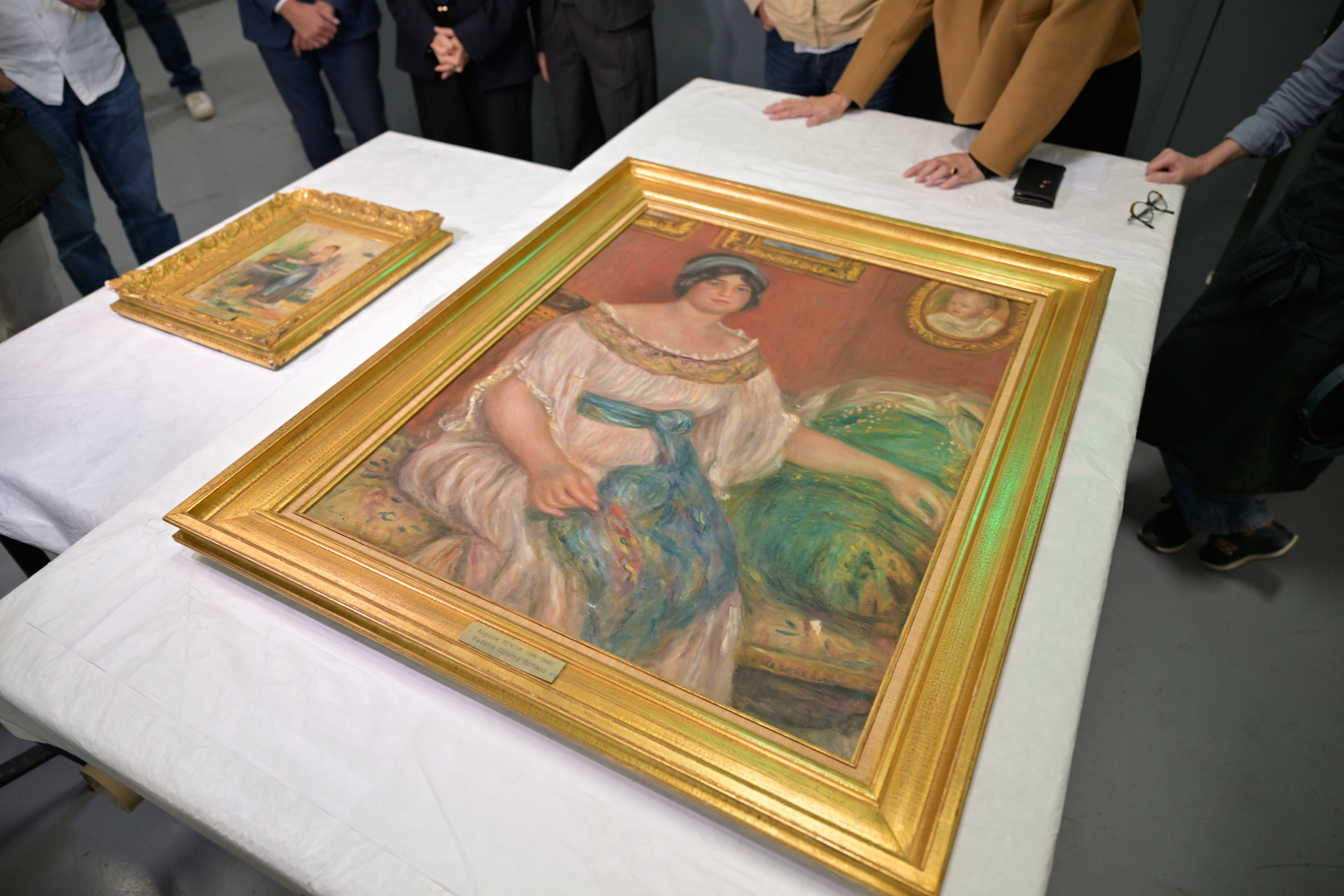
French investigators recently cracked a high-profile art theft case involving stolen masterpieces by Pierre-Auguste Renoir on the French Riviera. Instead of relying on cinematic luck, authorities used biological forensics and digital surveillance to dismantle a network before they could strike again. If you've been following museum security trends, you know that modern criminal investigations look less like old detective shows and more like high-tech data analysis.
The Science That Trapped the Art Thieves
The breakthrough in the Cagnes-sur-Mer museum case didn't come from a tipster walking into a precinct. It came from biological material left on a protective painting cover discarded during the crime.
Forensic teams extracted DNA from the abandoned cover and ran it through national databases. It matched a 29-year-old suspect already tied to an ongoing drug trafficking case. Because local police were already monitoring this individual's vehicle as part of the narcotics investigation, they had real-time tracking data available the moment the art went missing.
Vehicle-tracking technology basically signed the suspects' arrest warrants. Investigators tracked the suspect's movements shortly after the heist, showing him meeting up with accomplices and scoping out additional cultural institutions, including the Maeght Foundation in Saint-Paul-de-Vence.
Stopping the Next Crime Before It Started
Arrests in art theft cases usually happen months or years later, if at all. In this instance, Marseille prosecutors moved fast because digital surveillance and human intelligence pointed to an imminent second robbery.
Police surveillance placed the primary suspect in contact with individuals previously convicted of art theft and forgery back in 2001 and 2003. When you combine GPS breadcrumbs with known association networks, law enforcement can predict criminal intent rather than just reacting to past events. The recovery of masterpieces like Portrait of Madame Colonna Romano and Young Woman proves that traditional physical security paired with digital forensics makes modern art theft an exceptionally risky business.
Protecting cultural heritage requires a shift in how museums think about security. Cameras alone won't stop professional rings. Museums need integrated response protocols that account for both physical barriers and rapid forensic preservation.
Check your local museum's security protocols if you manage cultural assets, or upgrade surveillance monitoring if you own high-value private collections.



