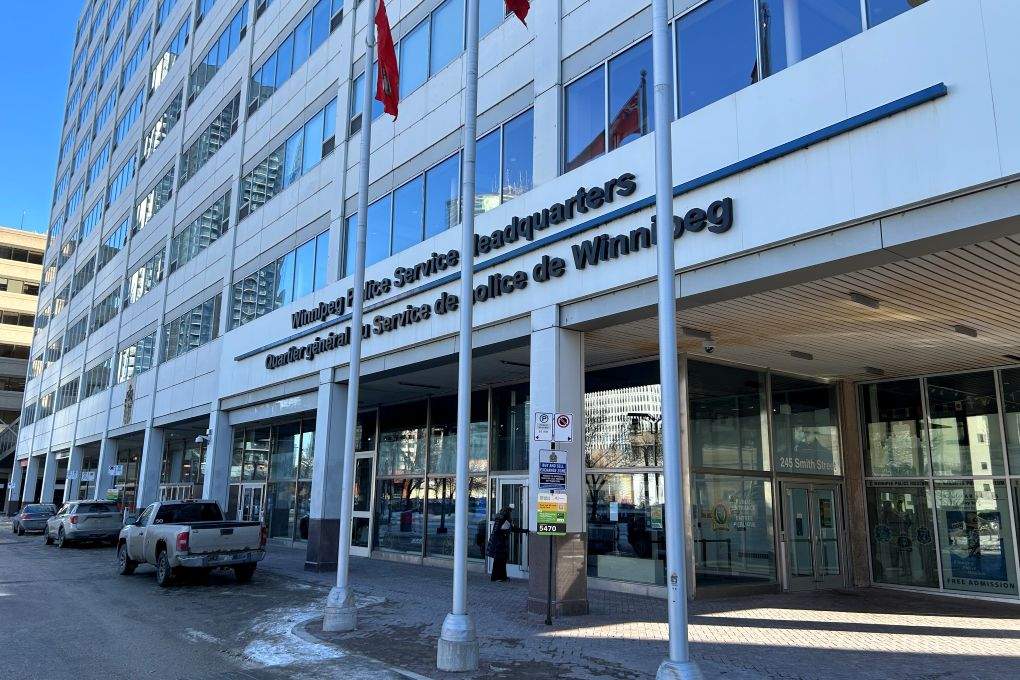
Municipal construction projects rarely run smoothly, but the conversion of downtown Winnipeg's former Canada Post building into a police headquarters stands out as a masterclass in bureaucratic failure. When taxpayers foot the bill for public infrastructure, they expect basic competence and a shred of fiscal oversight. Instead, the Winnipeg police headquarters construction project became a cautionary tale of bloated budgets, altered billing statements, and massive ethical breaches that left the city holding a multi-million-dollar bag.
Commissioner Garth Smorang dropped the final public inquiry report, titled A Sad Tale of Mismanagement, Misconduct and Misrepresentations, laying bare the staggering reality of how a municipal project went entirely off the rails. The numbers speak for themselves. The primary construction contractor, Caspian Projects Inc., was overpaid by a staggering $42 million. Without that massive financial leak, the entire headquarters build would have stayed comfortably below its initial $193.6 million budget instead of soaring to $209 million.
The Mechanics of a Massive Overpayment
How do you lose tens of millions of dollars on a single building without sounding an immediate alarm? According to the inquiry, it comes down to a toxic mix of administrative understaffing, ignored warning signs, and brazen falsification. Smorang didn't mince words during his press conference, pointing out that municipal oversight was nowhere near the level required for a project of this magnitude.
The primary culprit wasn't just poor planning. It was deliberate misrepresentation. Caspian Projects Inc. reportedly engaged in systemic invoice tampering. Hundreds of documents submitted to the city were altered to reflect wildly inflated costs. If a sub-trade billed a specific service at a modest $300,000, that figure was routinely doctored at Caspian to reach $1.3 million before landing on the city's desk. Forensic accountants reviewing the paperwork concluded that the company submitted and collected payments for somewhere between $45 million and $50 million in excess claims.
It gets worse. An extra $1.3 million was funneled directly to Triple D Consulting Services Inc., a shell or satellite entity that had a Caspian employee serving as its sole director. Basic procurement checks should have caught these red flags immediately. Instead, the checks and balances vanished.
Accountability at the Top
Infrastructure failures don't happen in a vacuum. They require leadership to look the other way or actively participate in the breakdown of governance. The inquiry report leveled direct allegations of wrongdoing against former Winnipeg Mayor Sam Katz and former city chief administrative officer Phil Sheegl, tying them to their interactions with Caspian president Armik Babakhanians.
Smorang stated plainly that Katz violated the public trust and breached the municipal code of conduct for elected officials. When it came to Sheegl, the commissioner was even more direct, concluding that the evidence pointed to a complete lack of a moral compass. In total, the report flagged misconduct across nine different individuals who held positions of authority where protection of the public purse was supposed to be the priority.
Winnipeggers have every right to feel furious. Public trust takes decades to build and minutes to shatter. When leaders entrusted with public funds drop the ball so completely, it poisons the relationship between citizens and municipal government.
What Comes Next for the City
The fallout from this inquiry extends far beyond political finger-pointing. The Manitoba Prosecution Service announced it is actively reviewing the inquiry's evidence to weigh potential criminal charges, revisiting a saga that previously saw an RCMP investigation and subsequent civil litigation that recovered some damages back in 2023.
Winnipeg's current leadership is scrambling to pick up the pieces. Mayor Scott Gillingham acknowledged that the report validates years of public suspicion, noting that individuals in power chose to betray public trust while taxpayers paid the literal price. City administration has been tasked with reviewing the inquiry's 25 concrete recommendations. These include bringing in independent legal counsel and external consultants during the planning phases of future infrastructure projects, ensuring realistic cost estimates, and tightening conflict of interest laws.
Fixing municipal procurement isn't just about adding more paperwork. It requires a cultural shift toward transparency. If cities want taxpayers to support future investments, they have to prove that accountability isn't just a buzzword used during election cycles. Review the procurement guidelines in your own municipality, demand independent audits on public builds, and never accept vague answers when multi-million-dollar budgets start creeping upward.



