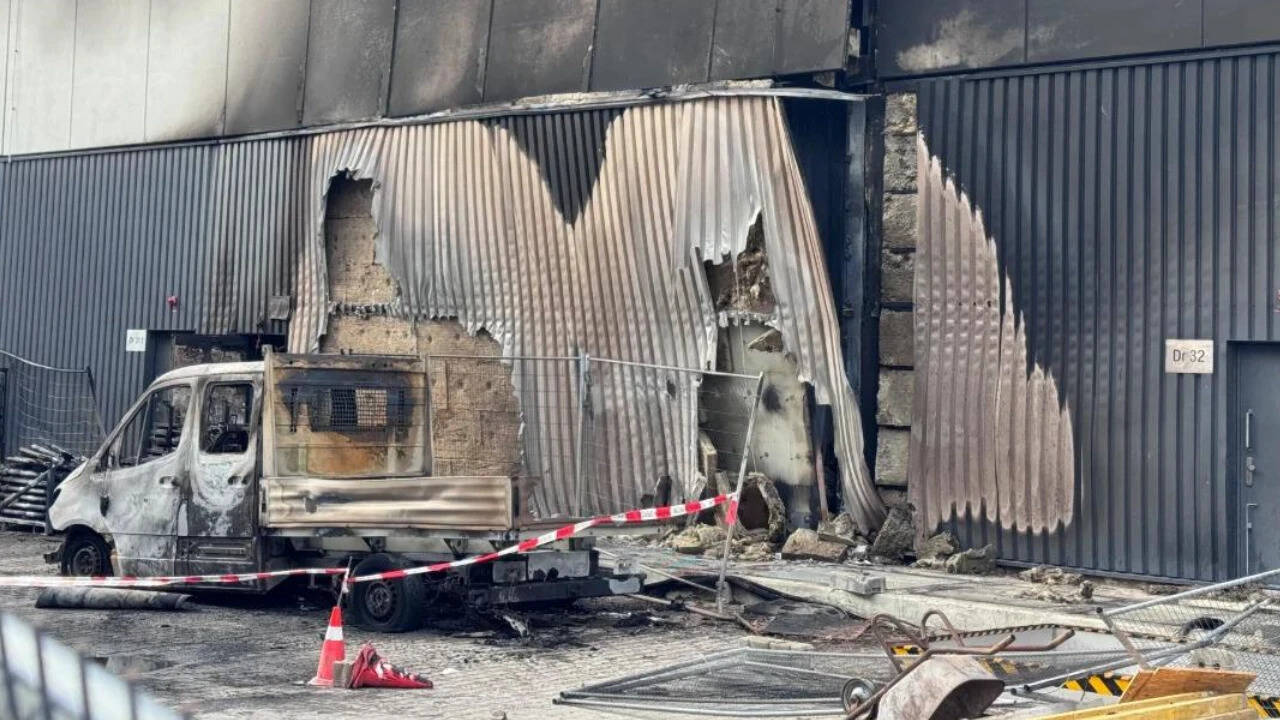
A quiet residential street in Bochum turned into a nightmare when an early morning inferno ripped through a multi-family building, taking the lives of three Indian nationals and leaving several others hospitalized. What started as emergency calls for smoke quickly escalated into a full-scale homicide investigation. German authorities haven't wasted time, arresting a 41-year-old resident on suspicion of murder as they dismantle the timeline of a tragedy that shocked local authorities and expatriate communities alike.
The Anatomy of the Bochum Tragedy
At roughly 4:15 AM on a Tuesday in the Hofstede district, flames tore through the second floor of a residential building. The victims—two young women aged 25 and 27, and a 26-year-old man—were trapped inside an apartment.
Firefighters faced an immediate nightmare on the ground. The stairwell acted like a chimney, completely engulfed in flames and blocked off. That structural trap made it impossible for emergency crews to use internal stairs to reach the upper floors. Instead, firefighters had to rely on exterior equipment, deploying a turntable ladder, portable ladders, and a safety cushion to rescue residents from certain death.
Five other people suffered severe smoke inhalation and were rushed to local hospitals in Bochum. Investigators have already ruled out any technical malfunction or electrical fault. They are looking directly at arson, prompting the homicide squad to take over the case.
The Suspect and the Legal Fallout
Police and prosecutors moved fast, arresting a 41-year-old Romanian national living in the building. German media outlets, citing reports from the German Press Agency (DPA), confirmed that the suspect is currently being grilled by homicide detectives.
Investigators have grounds to suspect deliberate intent. When someone sets a fire in a multi-family residential complex during the dead of night, the human cost is entirely predictable. That's why prosecutors are treating this as a murder investigation rather than simple property destruction or negligent manslaughter. The suspect remains in custody while forensic teams comb through the charred debris for accelerants and physical evidence.
Navigating Tragedy Abroad
Incidents like this bring a harsh reality check to the thousands of international students, professionals, and families living abroad. When you move across the world for work or education, safety feels like a given in modern European cities. But structural vulnerabilities in older buildings, combined with criminal acts, can turn a rented flat into a trap.
Indian diplomatic missions in Germany typically step in during such crises to coordinate with local authorities, assist with hospital visits for the injured, and handle the complex legal and logistical hurdles of repatriating remains. If you're living abroad, knowing your building's emergency exits isn't just a precaution—it's survival.
The investigation in Bochum continues as forensic experts piece together how the fire spread so fast. Accountability will follow, but for three young lives, justice will come far too late.



