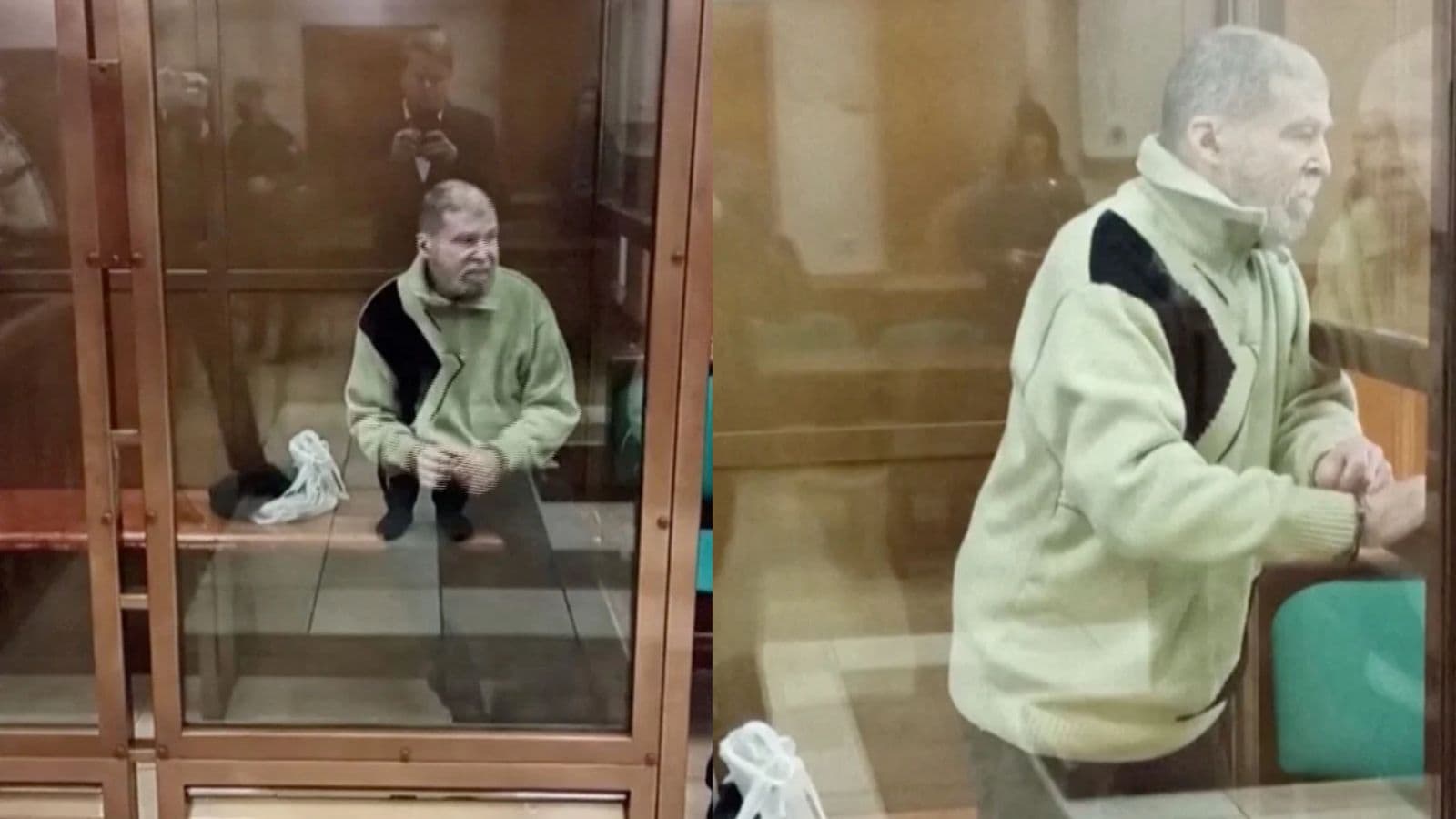
Stephen Hubbard lived quietly in the eastern Ukrainian town of Izium on a modest monthly pension of about $300. He wasn't a spy, a mercenary, or a geopolitical player. He was a 74-year-old retired English teacher from Big Rapids, Michigan, who had spent decades traveling the world, teaching abroad, and eventually settling down with a local partner.
When Russian forces invaded Ukraine in February 2022, his quiet life evaporated overnight. He became an international detainee, a pawn in a brutal war, and eventually the last American whom the State Department formally declared wrongfully detained in Russia. His sudden release following a high-level diplomatic visit has brought his extraordinary ordeal back into the spotlight. But how did an aging retiree from Michigan end up locked in a Russian penal colony, and what does his freedom actually mean?
How Stephen Hubbard Ended Up in the Crosshairs
Long before the war started, Hubbard lived a nomadic life. He served in the U.S. Air Force and the Air National Guard as a young man, earned a master's degree in English, and spent roughly 25 years teaching English in Japan before a brief stint in Cyprus. By 2014, he had relocated to Izium in Ukraine's Kharkiv Oblast.
He kept to himself. His sister, Patricia Hubbard Fox, noted that they last spoke directly in September 2021, months before Vladimir Putin launched the full-scale invasion. When Russian troops rolled into Izium, they simply grabbed Hubbard from his home.
Moscow's prosecutors accused him of acting as a mercenary, claiming he had signed a contract with the Ukrainian territorial defense forces. His family, his U.S.-based lawyer Martin De Luca, and human rights advocates dismissed those charges as completely fabricated. Hubbard never fought in any military unit. He was an elderly man trying to survive in a war zone who happened to hold a U.S. passport.
The Brutal Reality of His Detention
For years, Hubbard's case flew largely under the radar compared to high-profile prisoner swaps involving athletes or journalists. Yet the reality behind bars was grim.
Russian authorities moved him through at least five different detention centers before holding a secretive closed trial in 2024 that resulted in a nearly seven-year prison sentence. Advocacy groups like Hostage Aid Worldwide highlighted the severe conditions he faced. Former Ukrainian prisoners of war held alongside Hubbard reported that he endured horrific treatment, including constant beatings, sleep deprivation, and isolation.
His sister waged a relentless campaign to bring attention to his case, pointing out that his health was deteriorating rapidly. In early 2025, the U.S. State Department officially designated him as wrongfully detained, a critical step that unlocked diplomatic leverage and signaled Washington's firm stance that the mercenary charges were bogus.
The Release and What Comes Next
President Vladimir Putin announced Hubbard's release during a visit by U.S. envoy Steve Witkoff, noting that the American was freed following a direct request from President Donald Trump. Video footage showed Witkoff meeting at St. Petersburg's Pulkovo Airport, thanking Putin for allowing the 74-year-old veteran to return home to his family.
Unlike major prisoner exchanges of the past, Trump administration officials emphasized that this particular release came without a formal "swap." Hubbard stood as the last American officially recognized as wrongfully detained in Russia, closing a painful chapter for a retiree who wanted nothing more than to live out his golden years in peace.
If you are following international developments or researching cases of detained citizens abroad, keep a close eye on how diplomatic channels manage these individual humanitarian releases moving forward. Check official updates from the State Department or credible human rights organizations to stay informed on foreign policy shifts.



