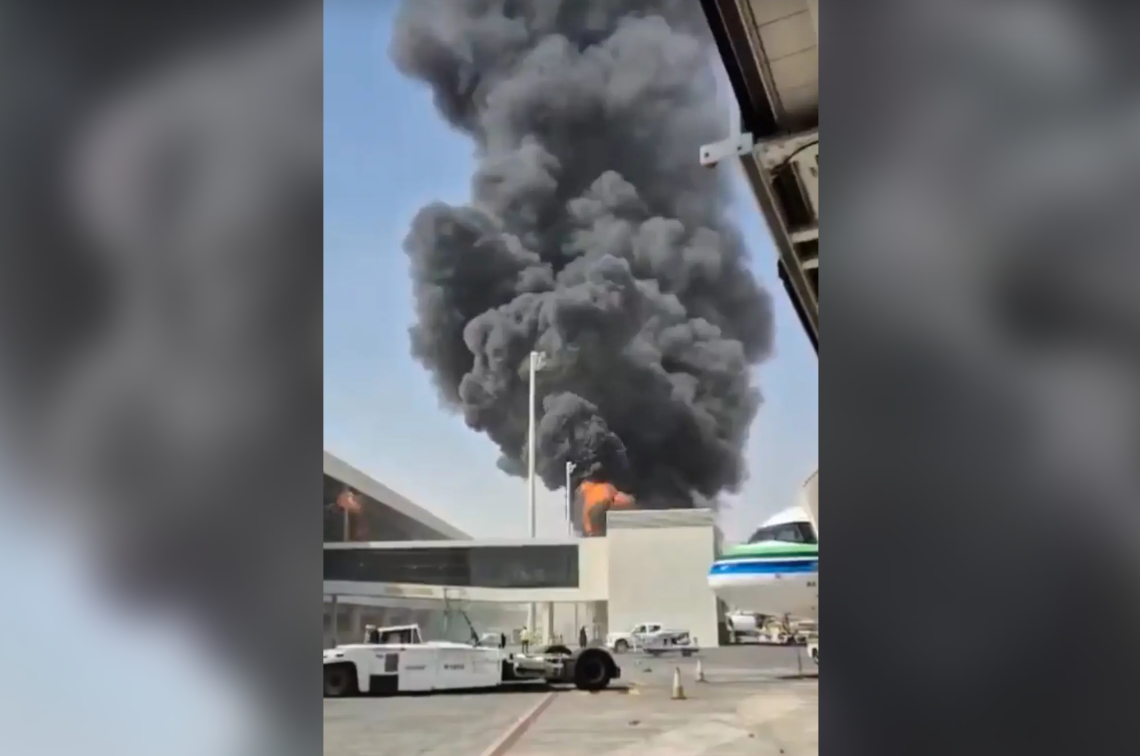
Twelve people are dead and over three hundred are wounded following a direct strike on King Khalid International Airport in Riyadh. This isn't a minor skirmish or a distant border clash. It's a direct, devastating hit on the capital of the world's top oil exporter, signaling that the regional war involving Iran and the Houthi movement has entered a dangerous new phase.
When a major international aviation hub takes a direct missile hit, the shockwaves go far beyond local airspace. Global markets shuddered immediately. Aviation authorities across Europe and North America scrambled to issue urgent airspace warnings. If you've been tracking regional conflicts, you know the writing has been on the wall for months. But few expected the violence to breach capital city air defenses so cleanly and with such lethal results.
Why This Attack Changes Everything
Let's look at the numbers and the human toll. The dead include four Saudi citizens, two Bangladeshi nationals, a Palestinian, a U.S. citizen, an Egyptian, a Jordanian, a Syrian, and a Sudanese national. This international casualty list transforms a localized regional dispute into an immediate multinational crisis.
The strike hit a complex housing domestic terminals 3 and 4. Three parked aircraft sustained heavy damage, and at least 291 flights were canceled within a single twenty-four-hour window. Major carriers like Air India, FlyDubai, and Lufthansa Group suspended operations instantly.
Security experts have warned for years that commercial aviation infrastructure makes an inviting target for asymmetrical warfare. Drones and ballistic missiles are cheap to launch and notoriously difficult to intercept when defense batteries are stretched thin. That's precisely what's happening right now.
The Strain on Air Defenses
Saudi Arabia's anti-missile interceptor stockpiles are running critically low. Regional officials confirmed that Riyadh has quietly requested emergency air defense support from countries like Pakistan, Egypt, Britain, and France.
The United States, deeply entangled in its own military commitments and operations against Iran, faces a similar inventory squeeze. Interceptors cost millions of dollars apiece. Firing multi-million dollar defense missiles at low-cost commercial drones is a losing economic game over the long haul.
When your defensive shield starts developing holes, vital civilian hubs become sitting ducks. That's the cold reality facing Riyadh right now.
The Broader Geopolitical Fallout
The timing of this escalation isn't accidental. It follows hard on the heels of a major military offensive launched by a Saudi-led coalition against Houthi-held territories in Yemen. The Houthis warned global airlines to clear out of Saudi airspace, framing the skies above the kingdom as an active military zone.
President Donald Trump stated that Washington is evaluating whether to join Saudi direct strikes against the Houthi movement in Yemen, noting that decisions happen fast. Yet, intervention carries massive risks. It could pull the U.S. deeper into a quagmire just as global energy markets try to stabilize.
Ironically, even as smoke cleared from the burning airport terminals, the Saudi energy ministry kept pushing forward with plans for a massive international energy conference in Riyadh. It's a defiant stance meant to project business-as-usual strength. But beneath that diplomatic polish, investors are sweating.
What Travelers and Markets Need to Watch Next
If you're flying through the Middle East or managing supply chains tied to Gulf logistics, you need to adjust your expectations immediately.
- Airspace Restrictions Will Expand: European aviation regulators are updating risk assessments daily. Expect longer flight paths, higher fuel costs, and rolling suspensions across regional carriers.
- Supply Chain Bottlenecks: With Red Sea shipping lanes already disrupted and air cargo hubs facing security shutdowns, regional freight costs are bound to spike.
- Strict Information Controls: Saudi authorities have warned the public that filming, publishing, or sharing details about missile impacts and defense intercept sites carries severe legal penalties. Expect official news to remain tightly managed.
This attack isn't an isolated incident. It's a flashing red light for global aviation security. When civilian terminals become battlefields, nobody escapes unscathed.



