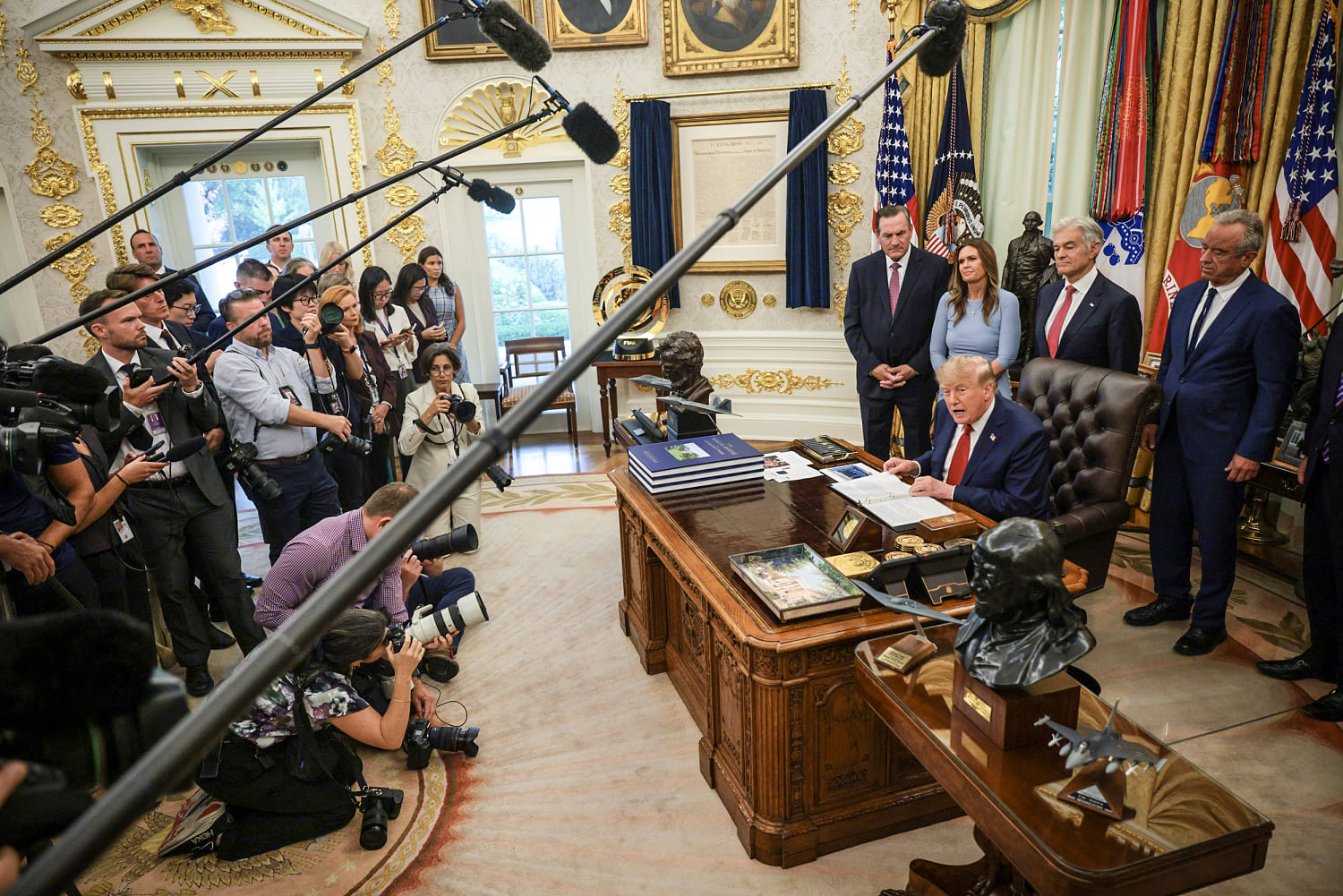
If you think every single reporter covering the US president fits inside the Oval Office or grabs a seat on Air Force One, you're missing how Washington actually operates. Space is tight, security is fierce, and logistics make mass media access impossible. Enter the White House press pool. It’s a rotating, highly coordinated system where a small group of journalists acts as the eyes, ears, and recording devices for the entire global media apparatus.
Most people picture an army of reporters camped outside the West Wing. In reality, everyday access is strictly rationed. Understanding how this machine works reveals a lot about how presidential power and journalism collide.
The Mechanics of the Rotation
The press pool isn't just a random group of people who show up with notebooks and microphones. It’s a formalized, tightly organized collective managed via the White House Correspondents' Association alongside the administration's press office.
Think of it as a relay race that never stops. The group splits into specific desks and beats:
- Wire services: Outlets like The Associated Press provide constant, minute-by-minute wire copy.
- Print and digital reporters: A designated pool reporter writes detailed "pool reports" documenting everything from the color of a foreign leader's tie to verbatim remarks during an Oval Office drop-by.
- Broadcast crews: Major television networks take turns supplying a camera operator, sound technician, and producer whose footage gets shared across all subscribing networks.
- Radio and photography: Still photographers and radio correspondents capture the audio and imagery that defines the historical record.
When you see a quick clip of a president signing an executive order or shouting answers over helicopter rotor noise on the South Lawn, that’s not every news outlet standing there. That's the pool doing the heavy lifting.
Why the System Exists
Logistics drive the pool model entirely. Air Force One only has about thirteen designated seats for the traveling press cabin. The Oval Office can't physically hold hundreds of credentialed White House correspondents.
Sharing is mandatory. If you're the designated print pooler for the day, you write a comprehensive dispatch and email it instantly to hundreds of colleagues waiting back in the bullpen or across newsrooms nationwide. If you miss a detail, you'll hear about it from editors everywhere. It's high-pressure reporting where your notes become the official historical record of the day's events.
Expenses add another layer of complexity. News organizations pay their own way. Taxpayers don't foot the bill for reporters flying on Air Force One, riding in the motorcade, or booking hotel rooms during foreign summits. Organizations are billed directly based on complex formulas set by the White House.
Recent Friction and Access Battles
The press pool model faces intense strain when political friction boils over. Tensions between the executive branch and major news organizations regularly test whether pooled coverage can survive administrative restrictions. Recent standoffs—including disputes over credential revocations, network boycotts, and subsequent federal investigations—highlight how fragile this cooperative ecosystem really is.
When specific outlets get barred from the White House, the rest of the media apparatus often has to decide whether to continue business as usual or halt pooled coverage in solidarity. It's a stark reminder that access isn't a constitutional guarantee written into stone; it's a heavily contested negotiation between a government that wants to control its message and a press corps fighting to keep doors open.
The Stakes for the Public
You might wonder why any of this matters outside the beltway. If the pool fails, transparency dies with it. When a small group of journalists is blocked from traveling or cut out of meetings, the public loses its direct window into executive power.
Next time you see a breaking update from the West Wing, look at the byline or the credit. Chances are, one reporter standing in a cramped room or squeezed onto a plane is doing the work for thousands.
Check the daily schedule before dismissing modern political reporting. Pay attention to who holds the pool duty and what access they're granted.


