A routine school hike in northern Israel turned fatal on Monday. An explosion near the Lebanese border killed one teenager and injured at least 19 others, including students and staff from a religious high school.
If you are following the aftermath of regional hostilities, this tragedy highlights a terrifying reality. The actual fighting might slow down or shift, but the physical remnants left behind keep killing long after the dust settles. Magen David Adom medics confirmed that the victims, hailing from the ORT Ma'alot school, were struck while trekking along a scenic route in the mountainous border region. Among the wounded, several remain in serious and moderate conditions, requiring emergency evacuation by military helicopters.
The Hidden Threat Left Behind
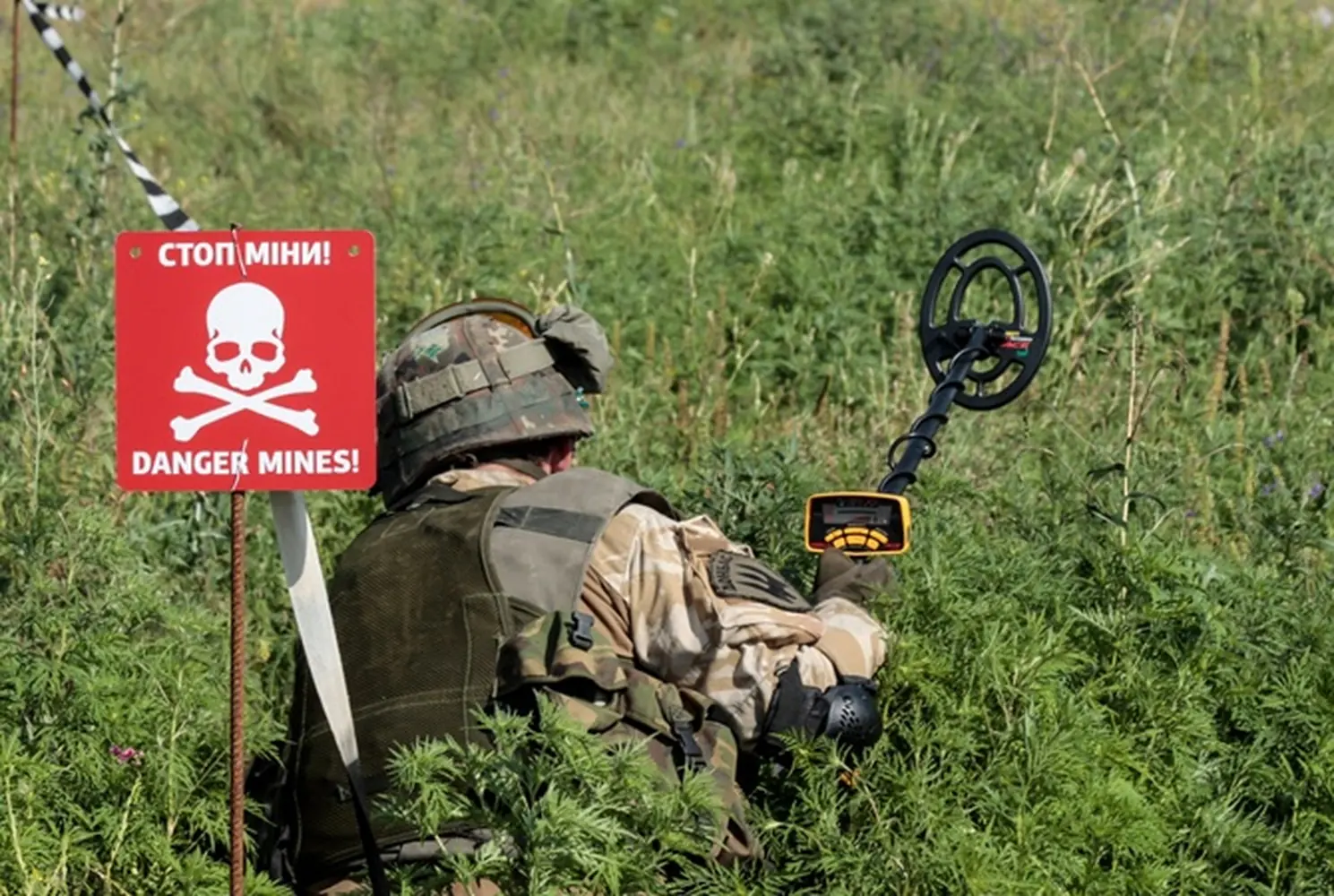
Emergency responders and security forces quickly flooded the area following the blast. Police sappers and elite combat engineering units deployed to sweep the terrain. Why? Because initial investigations point straight to unexploded ordnance or discarded munitions lingering from ongoing cross-border friction.
When military hardware litters a landscape, nature trails and recreational areas instantly become minefields. Kids and teachers on field trips don't carry bomb-disposal training. They see an interesting object or stumble upon a hidden hazard, and tragedy strikes in a fraction of a second. To get more background on this development, in-depth reporting is available on NBC News.
Reports from military correspondents note that authorities are scrambling to investigate how the group accessed the area and whether proper safety clearances were issued. But pointing fingers at bureaucratic oversights misses the broader, grimmer picture. When thousands of rockets, shells, and unreleased explosives saturate a border zone, zero-risk environments simply do not exist.
Why Border Communities Remain Unsafe
Tens of thousands of residents displaced from northern Israel have spent months waiting for stability. Incidents like this destroy whatever fragile confidence remains in local security. People want to return home, send their kids back to local schools, and resume normal lives. Yet, when an educational outing ends in a mass casualty event, the psychological barrier to recovery becomes immense.
Politicians and defense officials, including the Prime Minister's office and defense leadership, immediately mobilized responses and demanded strict inquiries. But statements and emergency meetings don't clear shrapnel out of the dirt. Clearing heavily contested terrain takes months, often years, requiring meticulous, dangerous manual sweeps by combat engineers.
What Needs to Happen Next
If you are tracking security conditions in conflict-adjacent zones, keep these realities in mind:
- Assume zero clearance: Never treat reopened trails or post-conflict areas as sanitized. Munitions often bury themselves deep in soil or brush, remaining hidden from casual view.
- Enforce strict perimeter controls: Local municipalities and military commands must maintain hard stops on civilian access until specialized engineering units issue explicit, verified clearances.
- Prioritize UXO education: Communities living near volatile borders need continuous, aggressive public awareness campaigns about handling unknown military debris.
The fatal blast near the Lebanese border isn't just an isolated accident. It is a harsh wake-up call about the long tail of war. Until every square inch of these contested regions undergoes rigorous sanitization, everyday civilian activities will remain under threat.