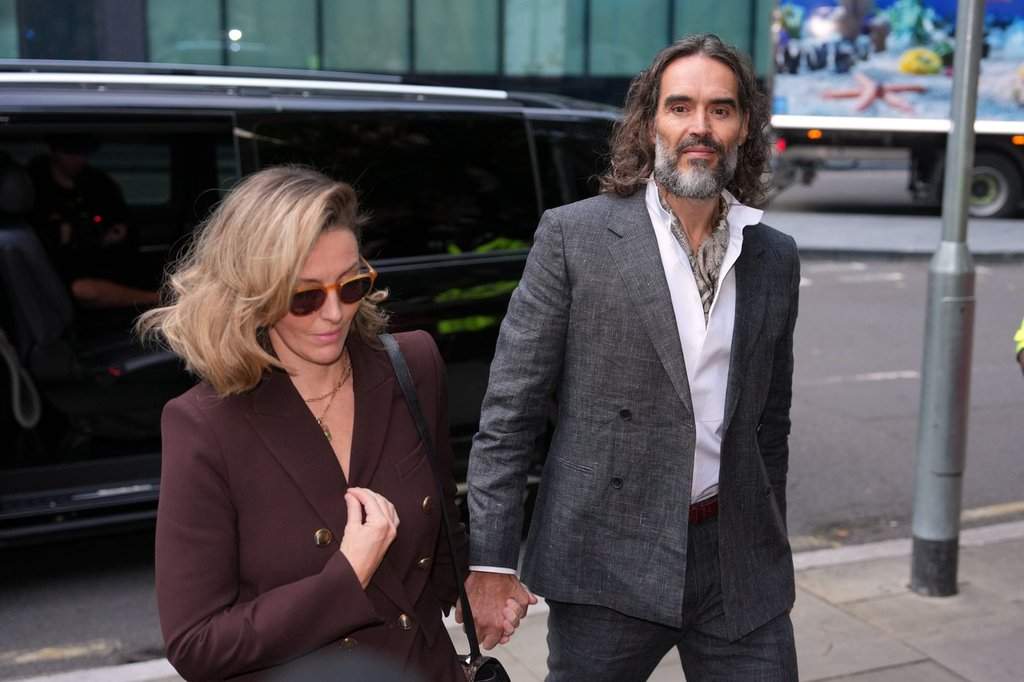
The courtroom doors swung open at Southwark Crown Court, and the media storm outside reached a fever pitch. Russell Brand walked into a London courtroom on Monday, facing a legal reckoning that has been years in the making. This trial isn't just another celebrity court appearance. It marks a watershed moment for how society handles historic allegations against powerful cultural figures.
Brand, now 51, has pleaded not guilty to three counts of rape, three counts of sexual assault, and one count of indecent assault. These charges stem from allegations involving six women, spanning the years between 1999 and 2009. The proceedings kicked off with jury selection before the court adjourned until Tuesday, setting the stage for what legal experts predict will be a grueling 10-week trial.
If you've followed Brand's career trajectory, the contrast is staggering. From the edgy, chaotic days of hosting MTV and BBC Radio to his Hollywood run in films like Forgetting Sarah Marshall, Brand spent decades cultivating a larger-than-life public persona. He leaned heavily into the archetype of the reformed bad boy, turning his notorious struggles with drugs and alcohol into punchlines and performance art.
Then came the pivot. In recent years, Brand stepped away from mainstream broadcasting. He relocated and reinvented himself as a digital commentator, amassing millions of followers by blending wellness content, alternative theories, and religious discussions. That digital empire now sits parallel to a courtroom where prosecutors plan to lay out detailed allegations of predatory behavior from his peak years of mainstream fame.
The prosecution's case centers on specific, severe claims. According to previous hearings, prosecutors allege Brand raped a woman in a hotel room during a Labour Party conference. They also accuse him of targeting a television worker, grabbing her breasts and forcing her into a sex act in a toilet, alongside allegations of groping a radio station worker. Brand denies all wrongdoing.
British legal protocols strictly protect the identities of alleged sexual violence victims for life, meaning the public will hear these testimonies through the filter of court reporting rather than direct media exposure of the complainants. That legal wall is designed to protect the integrity of the trial, keeping the focus squarely on evidence rather than public spectacle.
What makes this trial significant isn't just the famous name on the docket. It represents a broader test of the legal system's capacity to adjudicate allegations that date back over two decades. Preserving evidence, finding credible witnesses, and reconstructing events from the early 2000s present massive hurdles for both the prosecution and the defense. Memories fade. Digital records from 1999 are scarce. The jury will have to weigh competing narratives based largely on testimony and credibility rather than modern forensic trails.
As the trial moves forward over the next two months, the spotlight will stay fixed on Southwark Crown Court. The verdict will reverberate far beyond British borders, carrying heavy implications for Brand's massive online following and the ongoing cultural conversations surrounding power, consent, and accountability in the entertainment industry.



