The brutal assault on veteran Washington Post photojournalist Heidi Levine in the occupied West Bank isn't an isolated incident. It's part of a systematic campaign of violence that targets Palestinian farmers and anyone documenting their displacement. When dozens of masked settlers descended on the village of Abu Falah during the annual olive harvest, they weren't just picking a fight. They were enforcing a brutal status quo.
Let's look at what actually happened on that Friday near Ramallah. Around 80 masked settlers charged down a hill toward Palestinian families who were gathering their crops. Armed with clubs, stones, and gas canisters, the mob set fire to olive trees and vehicles. Levine, wearing a flak jacket and a helmet clearly marked with "PRESS" on the front and back, was documenting the chaos. That visible identification didn't protect her. Instead, she was knocked to the ground, repeatedly kicked, beaten with clubs, and stripped of her cameras, phone, and passport.
Why This Violence Spikes During the Olive Harvest
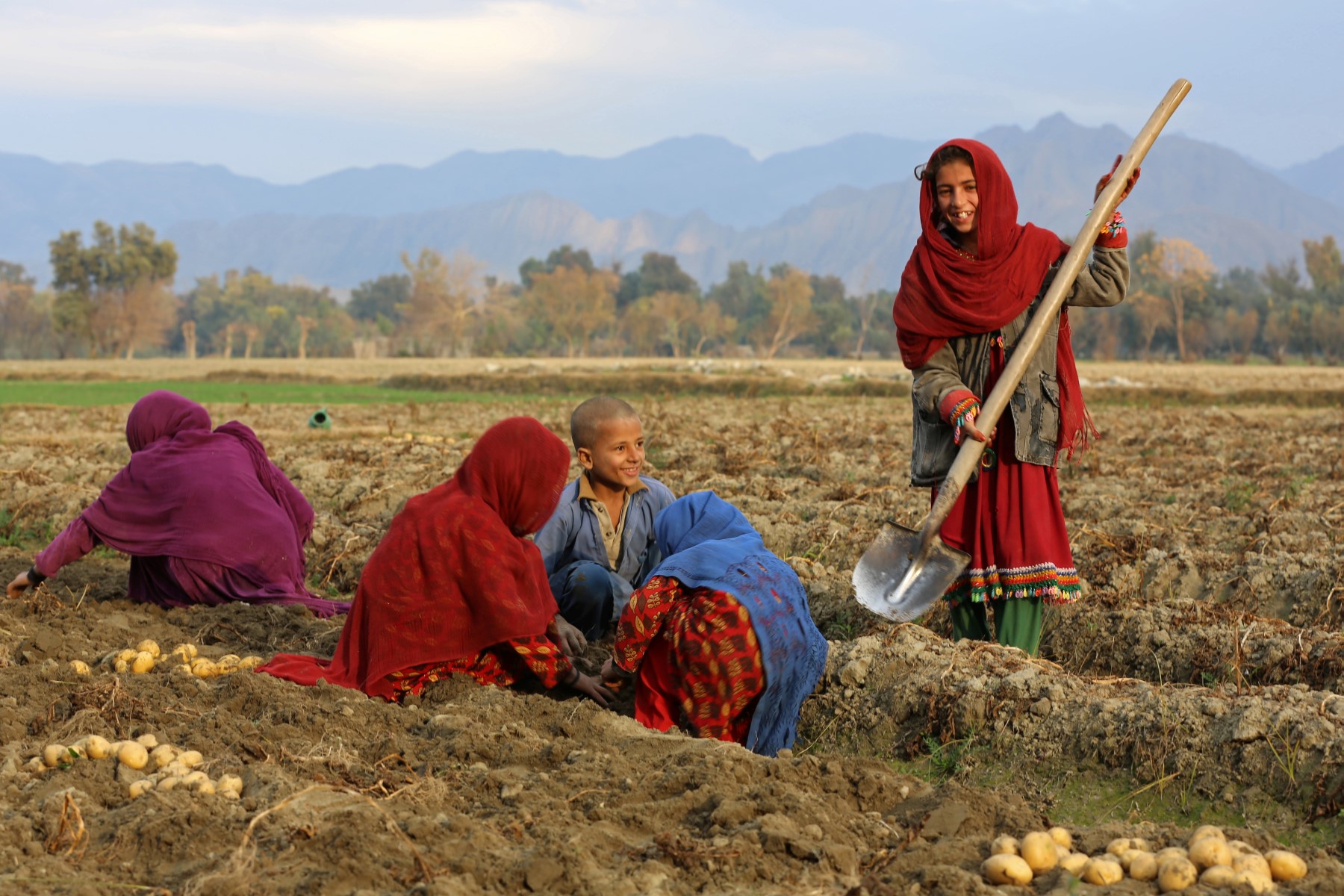
If you follow the occupied territories closely, you know the annual olive harvest triggers a predictable wave of terror. According to human rights groups like Yesh Din, settlers have carried out at least 170 violent attacks against Palestinians since late September alone. Thousands of trees have been vandalized or burned.
This isn't spontaneous anger. It's a calculated effort to drive farmers off their ancestral land. By destroying economic lifelines and making agriculture impossible, perpetrators create facts on the ground. When the Israeli military imposes severe restrictions—barring Palestinians from harvesting trees in Area C—it effectively hands control over to the settlement movement.
Levine herself noted from her hospital bed in Ramallah that her helmet and flak jacket saved her life. She stated plainly that she likely wouldn't have survived the beating without them. Witnesses reported that the attack on the 64-year-old journalist lasted more than 10 minutes before Palestinian colleagues managed to intervene and pull her away, only for settlers to charge again with more stones.
The Response From Authorities
The official reaction follows a tired, predictable script. The Israeli military claimed troops were dispatched to disperse a "violent confrontation" and promised to examine the details. Prime Minister Benjamin Netanyahu’s office released a statement suggesting the facts were "unclear" and shifting blame toward a mix of local residents and activists.
Meanwhile, statements from international watchdogs tell a different story. The Foreign Press Association condemned the assault, noting it's just the latest in a long line of violent attacks against reporters and civilians that authorities routinely ignore. Washington Post Executive Editor Matt Murray expressed outrage, demanding a thorough investigation and actual accountability.
Don't expect meaningful change to follow these press releases. Past assaults on journalists and olive harvesters rarely lead to serious prosecutions or systemic reform. Impunity breeds repetition. When armed mobs operate with the implicit backing of state structures, violence stops being an anomaly and becomes policy by other means.