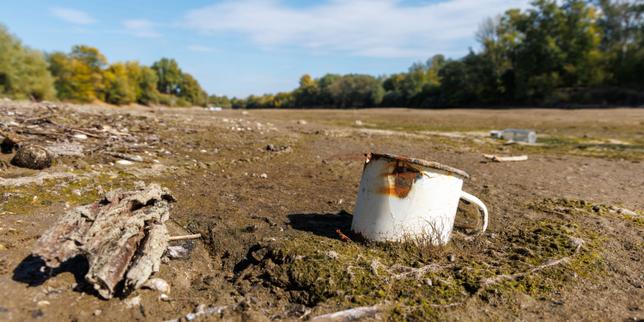
Water does not care about borders, but politics dictates who gets the last drop. Across Eastern Europe, climate extremes are colliding with deep geopolitical fractures. Nowhere is this clearer than along the Dniester River basin, where a historic drought has pushed Moldova and its neighbors into an escalating resource crisis.
When river levels drop to historic lows, it is never just an environmental footnote. It is a stress test for national survival.
The Shrinking Lifeline of Eastern Europe
The Dniester is more than a winding waterway. It is the economic and ecological heartbeat for millions of people spanning both Ukraine and Moldova. Yet recent months have seen water inflows plummet to unprecedented depths. Reservoirs that once buffered against seasonal dry spells are running dangerously low, forcing governments into emergency containment measures.
You cannot negotiate with a dry riverbed. When the flow slows to a trickle, agriculture stalls, hydroelectric plants power down, and drinking water security instantly becomes a matter of national security.
Chisinau and Kyiv have had to coordinate emergency reductions in water discharge from shared hydroelectric complexes just to keep baseline systems functioning. These are not ordinary policy adjustments. They are desperate thumb-in-the-dike maneuvers designed to stretch dwindling liquid reserves through a punishing season.
Where Ecology Meets Geopolitics
Environmental crises rarely happen in a vacuum. Shared river management is notoriously difficult under the best conditions. When those rivers cross zones of intense geopolitical friction, every cubic meter of water becomes a potential flashpoint.
Moldova already sits at a precarious crossroads, balancing regional security pressures, energy vulnerabilities, and the fallout of ongoing conflicts on its immediate borders. Add an environmental collapse into that mix, and the stakes multiply. The Dniester originates in Ukraine before flowing through and past contested and politically fragmented territories, meaning that managing its flow requires delicate cross-border cooperation precisely when trust is in shortest supply.
When reservoirs deplete to critical thresholds, downstream communities bear the brunt. Officials are forced to call for strict public conservation, warning that urban taps could face rationing if consumption patterns don't shift immediately.
Beyond the Immediate Emergency
The headlines will eventually move on when autumn rains arrive or temperatures drop. That is the trap. A single season of rain doesn't fix a structural water deficit.
Eastern Europe faces a harsh new reality. Climate projections for the region point toward hotter summers, erratic precipitation, and prolonged dry spells. If regional water management remains reactive rather than structural, recurring droughts will morph from extraordinary crises into a predictable baseline.
Governments can no longer treat water security as an afterthought managed by secondary ministries. Protecting transboundary river basins requires institutional transparency, joint monitoring frameworks that survive political shifts, and massive investments in water efficiency.
The crisis along the Dniester is a warning flare. The question isn't whether the water will return to normal levels tomorrow. The question is how societies will adapt when normal ceases to exist.



