Faith is a powerful currency. When you mix deep religious devotion with humanitarian charity, you get an ecosystem built on blind trust. But trust without oversight is just an invitation for corruption.
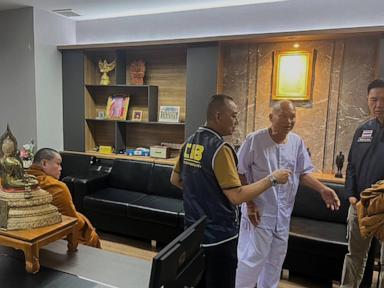
The recent conviction of Alongkot Poonmook, a once-revered Thai Buddhist monk who built a pioneering HIV and AIDS hospice, shatters any romantic notions about absolute piety in religious institutions. Alongkot and his associate Seksan Sapsubbsakul were handed massive cumulative prison sentences—742 years and 386 years respectively—before hitting Thailand’s legal maximum limit of 50 years. They were ordered to return over 300 million baht (nearly $9 million) siphoned directly from the Wat Phra Bat Namphu temple in Lopburi.
If you've followed religious scandals in Southeast Asia, you know this isn't an isolated incident. It is part of a systemic vulnerability that demands a closer look.
The Fall of a Humanitarian Icon
Back in 1992, Alongkot founded an AIDS hospice at Wat Phra Bat Namphu. At the peak of the global HIV crisis, when stigma was lethal and government resources were stretched thin, this facility stood as a beacon of compassion. Thousands of patients found shelter there. Devotees flocked to the temple, handing over cash donations as a way to make religious merit.
Over decades, that reputation of selflessness became a shield.
The turning point didn't come from internal audits or government watchdogs. It started online. Ordinary citizens began asking hard questions about where the millions in donations were actually going. An investigation followed, unearthing a staggering web of embezzlement and money laundering. Alongkot was stripped of his monastic status following his arrest, and subsequent scrutiny even exposed falsified educational credentials used to elevate his standing within the clergy.
Why Thai Temples Are Prime Targets for Financial Crime
Thailand's Buddhist temples can accumulate immense wealth. Millions of worshippers donate generously, trusting that monks have detached themselves from worldly greed. Unfortunately, that exact cultural reverence creates an environment where asking financial questions is viewed as sacrilegious.
Monks who act as abbots often wield total financial control over large administrative budgets and charitable funds without robust independent oversight. When money flows in freely through traditional cash drop-boxes and merit-making rituals, tracking every baht becomes nearly impossible.
The Wat Phra Bat Namphu case exposed several uncomfortable truths:
- Blind faith allows administrative corruption to hide in plain sight for decades.
- Traditional donation methods lack the traceability required in modern financial systems.
- High-profile charitable fronts can be exploited to generate continuous cash flows long after their original acute operational necessity fades.
Shifting Landscape of Healthcare and Charity
Beyond the embezzlement charges, the relevance of the hospice itself had shifted. When Alongkot started the project in 1992, antiretroviral treatments were scarce, making specialized hospice care essential. Today, modern public healthcare systems handle HIV management effectively, reducing the desperate need for charity-run isolation wards.
Yet, the institution kept pulling in massive donations by leaning on its historical legacy. That disconnect between past necessity and modern reality enabled the funneling of funds away from actual care and into illicit channels.
Regulatory Reckoning
The Thai government and religious authorities are now facing intense pressure to clean house. Following this and other recent high-profile temple scandals, the Revenue Department announced strict rules requiring financial donations to temples to go through electronic donation tracking systems to remain tax-deductible.
Transparency is finally catching up with tradition. If you donate to religious or charitable causes anywhere in the world, the takeaway is simple: good intentions don't replace accountability. Demand transparency, audit trails, and institutional checks, no matter how holy the founder appears.
Thai monk handed 50-year prison sentence for misusing donations to HIV and Aids hospice
This video provides a detailed breakdown of the court ruling and the massive prison sentences handed down in the Wat Phra Bat Namphu embezzlement case.



