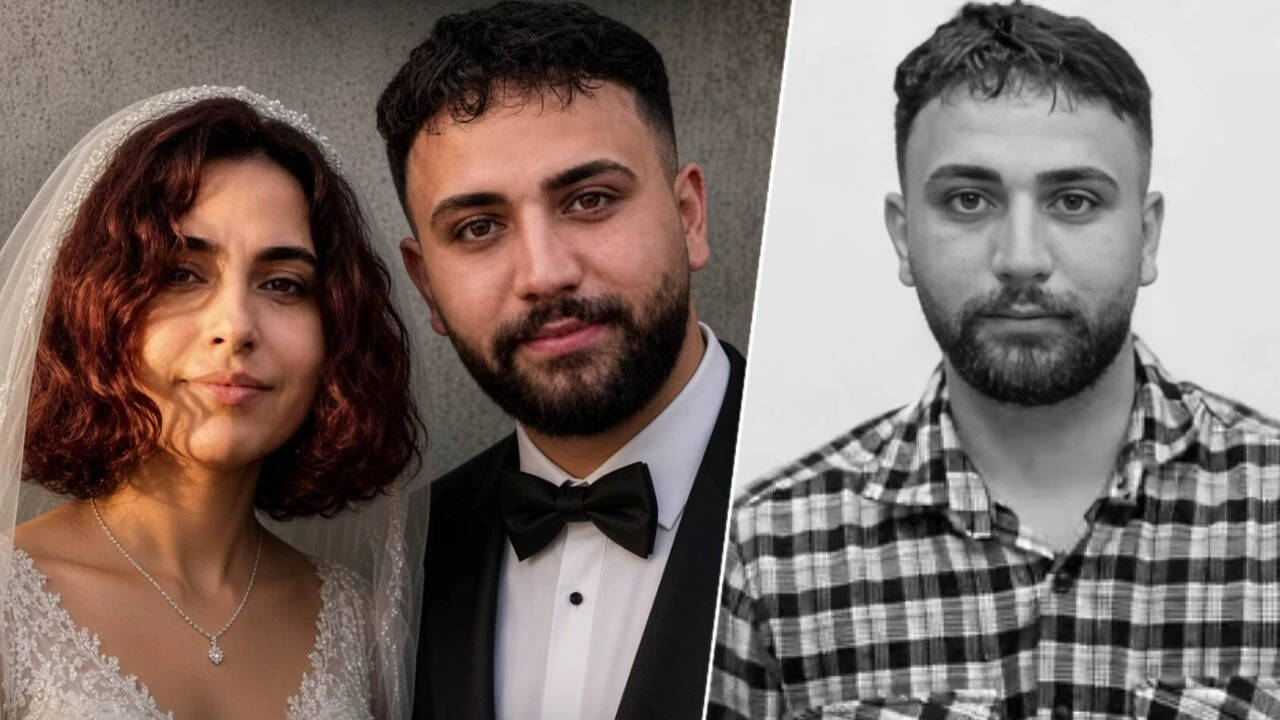
In the cold corridors of Isfahan prison, a quiet phone line bridged two separated cells for one final, desperate vow. Alireza Sepahi, a twenty-five-year-old anti-regime protester condemned to death, married his twenty-two-year-old fiancée, Mahshad Keshani, over the prison intercom just hours before his execution. It’s a striking story of defiance against an unrelenting judicial machine, highlighting the grim reality faced by political prisoners caught in Iran’s post-protest crackdowns.
Keshani is currently serving a five-year prison sentence stemming from the same wave of anti-government demonstrations that erupted earlier. Knowing Sepahi’s time was running out, she pushed for the informal marriage against all odds. With the assistance of human rights lawyer Amirsalar Davoudi, who helped facilitate the vows over the phone, the ceremony proceeded with the couple's fathers present inside the facility. Their traditional dowry consisted of little more than a copy of the Quran, a saffron rock candy, and a single red rose.
The brief union couldn't alter the state's timeline. Sepahi was hanged on Monday morning alongside fellow defendant Alireza Raisi. His path to the gallows had already been harrowingly close once before; he suffered a heart attack on his way to execution back in July, falling into a coma before regaining consciousness only for authorities to reschedule his sentence. Legal advocates and human rights organizations have consistently pointed out that the charges against Sepahi and twelve other co-defendants—tied to the deaths of four security personnel at Isfahan's Alikhani Square—relied heavily on forced confessions extracted under torture.
Davoudi voiced profound grief and outrage over the execution, describing it as an act of calculated retribution following the regime's wider political pressures. Following the hanging, authorities reportedly blocked the family from burying Sepahi in his hometown, compounding the tragedy for grieving relatives.
Stories like this expose the raw, unfiltered cost of political dissent in modern Iran. While international headlines often focus on geopolitical posturing and military escalations, individual citizens bear the brunt of domestic crackdowns. Keshani’s choice to marry a man facing imminent execution stands as an extraordinary testament to human agency when all physical freedom has been stripped away. It shows that even behind bars, personal bonds remain a powerful form of resistance against authoritarian control.



