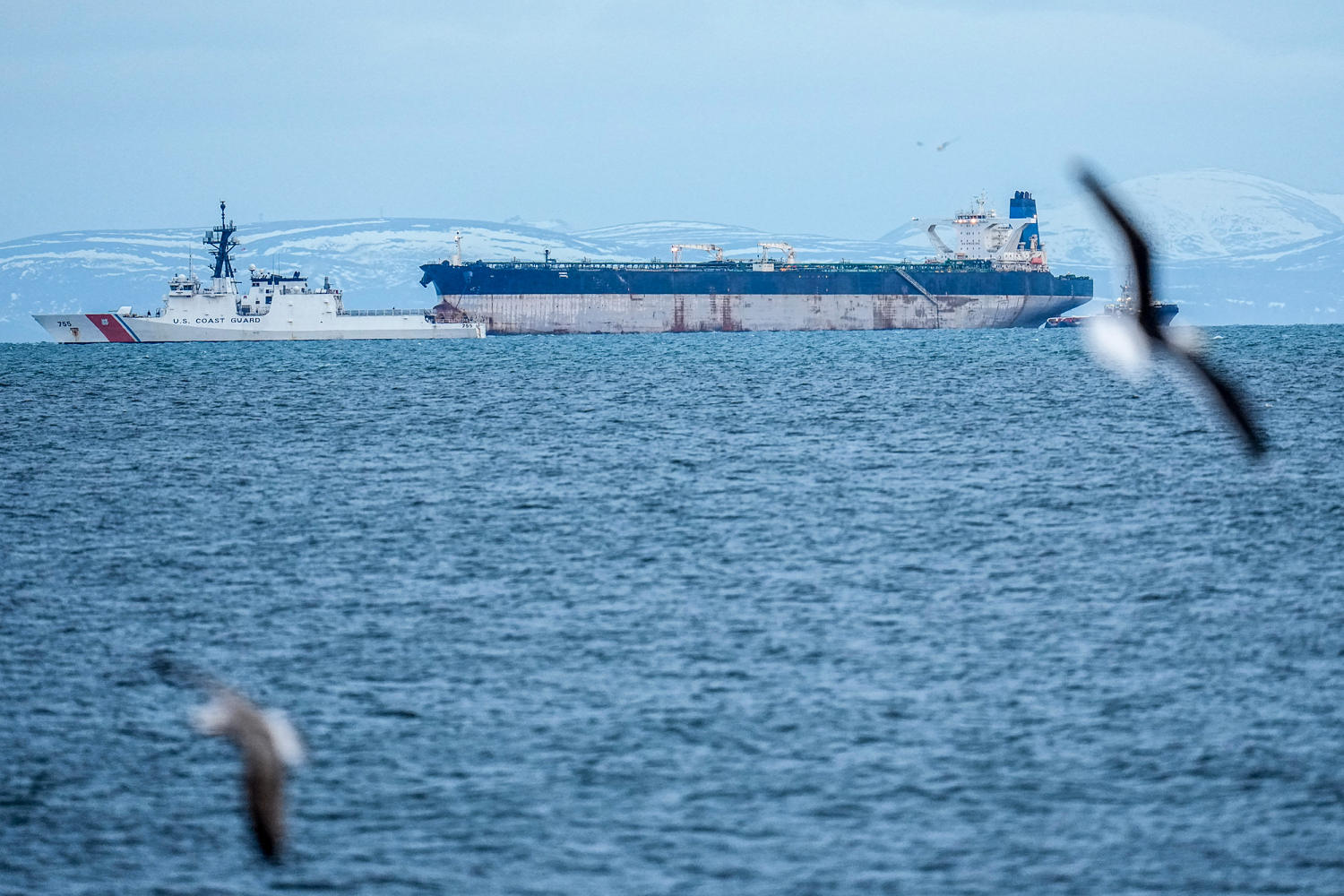
When the United States government intercepts a multi-million dollar vessel and quietly sends it off to an Indian scrapyard, the fallout is bound to be messy. That is exactly what happened when federal authorities seized and liquidated ships tied to Russia's elusive shadow fleet. Owners of these seized Russian oil tanker assets aren't sitting quietly. They are pushing back hard, claiming that Washington bypassed proper legal frameworks and improperly disposed of their property for scrap metal.
This high-stakes collision between international maritime law, aggressive economic sanctions, and hidden corporate ownership structures exposes a massive gray area in modern geopolitics. If you think seizing a ship is as straightforward as towing it into a port and putting a lock on the door, reality is much more complicated. Let's look at how these seizures work, why liquidating them sparks fierce legal warfare, and what this means for the global shipping lanes.
The Anatomy of a Shadow Fleet Seizure
Sanctions sound clean on paper. Governments issue decrees, banks freeze accounts, and enforcement agencies halt operations. But physical assets like crude oil tankers present a logistical and legal nightmare. Vessels such as the tankers Era and Lileo found themselves caught in the crosshairs of U.S. enforcement actions. These ships operate within networks designed to mask their true ownership through shell companies, flags of convenience, and frequent name changes.
When federal authorities step in and take physical control of a vessel, the clock starts ticking. Keeping a massive oil tanker docked incurs staggering daily maintenance fees, port tariffs, and security costs. Insurance providers run away from sanctioned assets faster than retail investors during a market crash. The U.S. government often seeks court approval to liquidate these floating liabilities before they drain public resources or lose all commercial value.
Yet, liquidating a seized asset while legal challenges are pending creates a powder keg. Real owners step forward—or shadowy proxy entities emerge from corporate registries in offshore havens—arguing that the summary disposal of their multi-million dollar ships violates due process and international norms.
Why Scrap Metal Sales Trigger Legal Warfare
Selling a seized ship to a recycling yard in places like Alang, India, feels like an administrative victory to enforcement agencies. The ship is dismantled, turning a tool of sanctions evasion into literal piles of reusable steel. But for the aggrieved parties claiming ownership, turning a functional tanker into scrap metal is the ultimate insult and injury. Once a ship is cut up, it cannot be returned. It destroys the core subject matter of any ongoing property dispute.
Lawyers representing the claimants argue that rushing to scrap these vessels deprives owners of a fair day in court. They point out standard legal protections requiring exhaustive notice periods, clear forfeiture hearings, and transparent valuations. When the government sells a ship quickly to specialized buyers like Global Marketing Systems (GMS) for recycling, the speed of the transaction often bypasses nuanced judicial review.
Even commercial entities involved in the transaction admit the process is fraught with friction. Executives handling the sales have noted that identifying who actually owned the vessel prior to seizure requires navigating labyrinths of offshore paper companies. If the true beneficial owner cannot be definitively pinned down due to secretive corporate structures, determining who has standing to sue the U.S. government becomes an ongoing legal chess match.
The Broader Impact on Global Shipping
This dispute is not an isolated courtroom drama. It signals a permanent shift in how Western powers intend to police maritime trade. Traditional enforcement relied on fines, port denials, or freezing bank accounts tied to specific transactions. Physical asset seizure and liquidation represent a much more aggressive doctrine.
Moscow has repeatedly blasted these actions, comparing state-backed seizures of commercial vessels to maritime piracy. On the other side, Western regulators argue that conventional rules were built for an era before shadow fleets mastered the art of evading petroleum caps and embargoes. When standard compliance fails, direct intervention remains the primary tool left in the box.
However, the legal backlash from owners claiming improper liquidation creates a dangerous precedent. If foreign entities successfully challenge these sales in international tribunals or domestic courts, the U.S. government could face substantial financial liabilities or diplomatic retaliation.
Expect more friction on the high seas. As long as shadow tankers continue moving restricted crude across global oceans, enforcement agencies will keep seizing them. And as long as Washington keeps sending those ships to the scrapyard, owners will keep fighting back in courtrooms to prove the process was broken from the start.