Governments love creating committees. When a problem arises, the standard reflex is simple. Spin up a new agency, appoint a committee, print some letterhead, and declare victory.
India's Defence Minister Rajnath Singh just called out this bureaucratic impulse on an international stage.
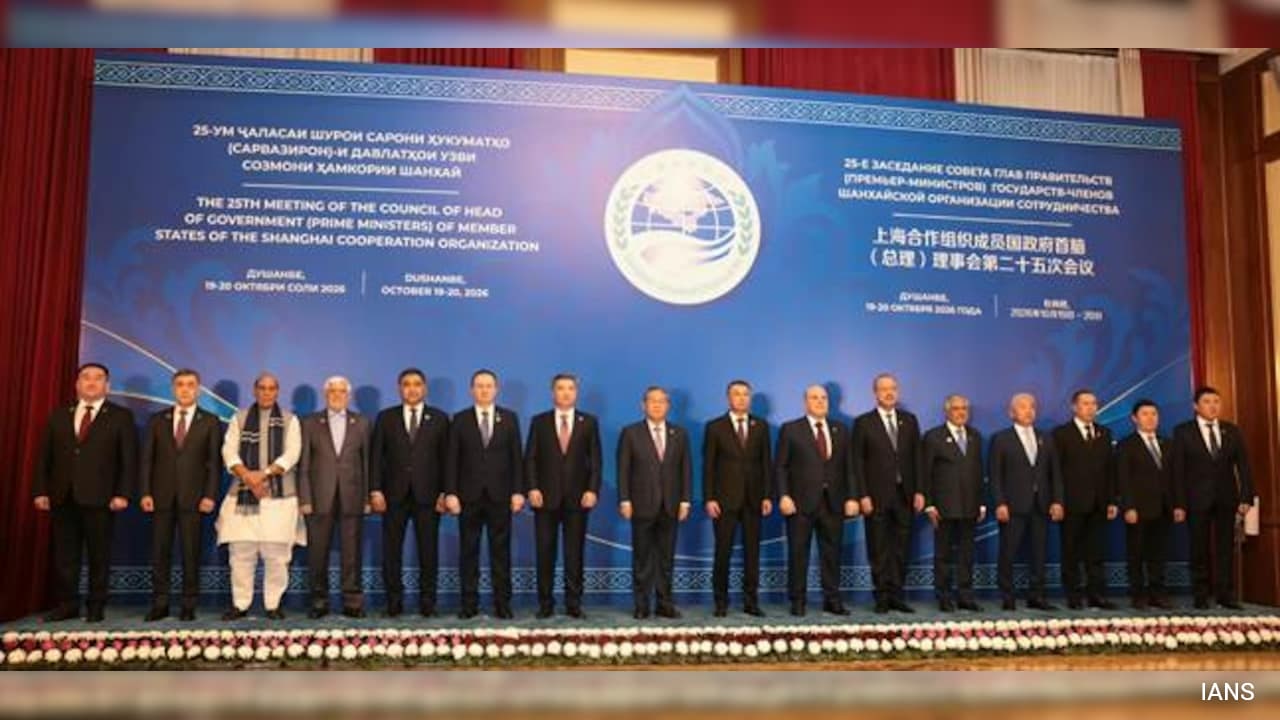
At the 25th meeting of the Shanghai Cooperation Organisation Council of Heads of Government in Dushanbe, Singh delivered a blunt message. More institutions do not automatically mean greater achievements. Instead of bloating international bodies with redundant bureaucratic layers, global alliances need to strip away the noise and focus on real execution.
That perspective cuts straight through the typical diplomatic pleasantries we usually hear at multilateral summits. It raises a bigger question about how modern international organizations actually operate. Do they solve problems, or do they just generate meeting minutes?
The Trap of Bureaucratic Bloat
International organizations are notorious for expanding until they collapse under their own weight. When the Shanghai Cooperation Organisation was founded two decades ago, the vision was straightforward. Address regional security, boost trade, and manage stability across Eurasia.
Over the years, the temptation to splinter into endless sub-committees, working groups, and specialized offices took over. Every time a new geopolitical friction point emerged, someone suggested building a new institutional mechanism to study it.
Singh argued against this drift in Dushanbe. He emphasized that the grouping must stick to sovereign equality, consensus, and mutual respect rather than multiplying paperwork. New mechanisms should only exist when a clearly identified need demands them. If an existing office can handle a task, creating a separate entity just dilutes accountability.
This is a management lesson that applies far beyond geopolitics. Any organization—whether it is a multinational corporation, a government ministry, or a regional bloc—starts suffering from diminishing returns the moment it prioritizes structure over output.
Measuring Real Success
How do you judge whether an international bloc is actually doing its job? Diplomats often point to the sheer volume of meetings held or joint communiques signed. That metric is deeply flawed.
Singh offered a much sharper yardstick during his address. He noted that true success should be measured by tangible outcomes:
- The actual economic opportunities created for youth.
- New markets opened for entrepreneurs.
- Practical technologies delivered to farmers and small business owners.
- Genuine societal connections forged across borders.
If an alliance cannot point to those concrete markers, all the institutional frameworks in the world are just expensive theater.
During the Dushanbe summit, member states did adopt the Action Plan for the Multilateral Trade and Economic Cooperation Programme running from 2026 to 2030, along with the 2027 budget. India backed these moves because they focus on economic pragmatism, digital economy integration, transport corridors, and social development. But backing practical trade plans is very different from greenlighting endless bureaucratic expansion.
Confronting the Core Threat
You cannot talk about regional cooperation in Eurasia without addressing security. Singh did not mince words on that front. He labeled terrorism as one of the most serious threats to peace, commerce, and development.
His stance on the issue was direct. Terrorism ruins innocent lives, chokes off investment, radicalizes populations, and strips youth of their futures. Because of that reality, there can be no justification for it.
More importantly, he called out the elephant in the room: double standards. You cannot claim to fight security threats while tolerating actors who finance, support, or shelter violent networks. Dismantling the entire ecosystem of terror requires collective, uncompromised action. No amount of institutional red tape can substitute for genuine political will to cut off terrorist financing and safe havens.
What Comes Next for Regional Alliances
The Shanghai Cooperation Organisation stands at a crossroads. As it moves past its twenty-five-year milestone, the bloc can either slide into irrelevance through bureaucratic gridlock or tighten its focus on high-impact economic and security cooperation.
India’s position makes the choice clear. Stop building redundant structures. Start delivering practical value. Clean up the security environment, open up trade channels, and let entrepreneurs and citizens see the real dividends of regional partnership.
If multilateral bodies want to stay relevant in a fast-moving world, they need to listen to that warning. Cut the fat. Focus on execution. Measure success by real-world impact, not by the number of office buildings in capital cities.