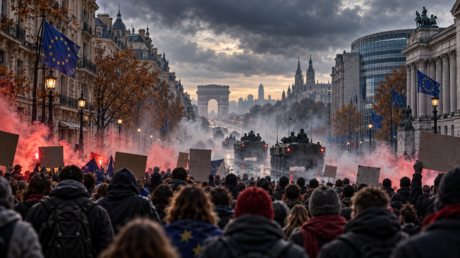
Smoke filled the chamber in Tirana as blue flares lit up the room. Opposition lawmakers didn't just disagree with the government this week—they brought street fury directly onto the assembly floor. If you've been watching Albanian politics, you know this isn't normal political theater. It's the boiling point of weeks of intense street unrest, angry students, and a government refusing to budge.
The immediate trigger happened during a Central Bank vote, but the roots go much deeper. Months of friction over luxury coastal development plans and accusations of deep-seated corruption have turned the capital into a battleground. When students and citizens took their anger to the streets, clashes with police left hundreds injured.
Opposition MPs from the Democratic Party decided the government couldn't conduct business as usual. They blocked the podium, set off flares, and waved photographs of protesters wounded by rubber bullets. Sali Berisha tried to speak, but his microphone was cut off. Chaos followed instantly. Desks were banged, objects flew toward Prime Minister Edi Rama, and security officers scrambled to restore order.
Why does this matter right now? Edi Rama has held power since 2013, winning a fourth term last year. For a long time, the opposition struggled to find a unified voice that resonated with everyday citizens. But these new protests are different. They started with outrage over controversial real estate projects and expanded into a broad anti-corruption movement. People aren't just angry at one party; they're exhausted by a political system that feels completely disconnected from regular life in Albania.
The government's response has been heavy-handed and quick. Officials introduced massive fines—reaching up to 5,500 euros—for anyone participating in demonstrations that turn violent. In a country where the average monthly pre-tax salary sits around 930 euros, that fine is a devastating financial threat. Critics argue it's an attempt to choke off dissent before it grows further.
Rama has tried to calm the storm by offering economic olive branches, promising cheaper fuel and extra financial support for low-income families. He keeps calling for dialogue. But the streets aren't buying it. Another major rally is already scheduled, and trust is completely shattered.
You can't fix a deep institutional crisis with police lines or emergency parliamentary votes. When the opposition starts lighting flares inside the house of democracy, it means the traditional channels for grievance have totally broken down. If the ruling majority thinks they can wait this out or fine it away, they're miscalculating the mood on the ground.
Stop looking at this as a localized brawl. It's a clear warning sign of what happens when public frustration collides with entrenched political power. Watch what happens next in Tirana. The streets are talking, and parliament is burning.
Scuffle breaks out in Albanian parliament over student protests
This video provides a first-hand look at the chaotic physical scuffles and tense atmosphere inside the Albanian parliament during the recent legislative showdowns.