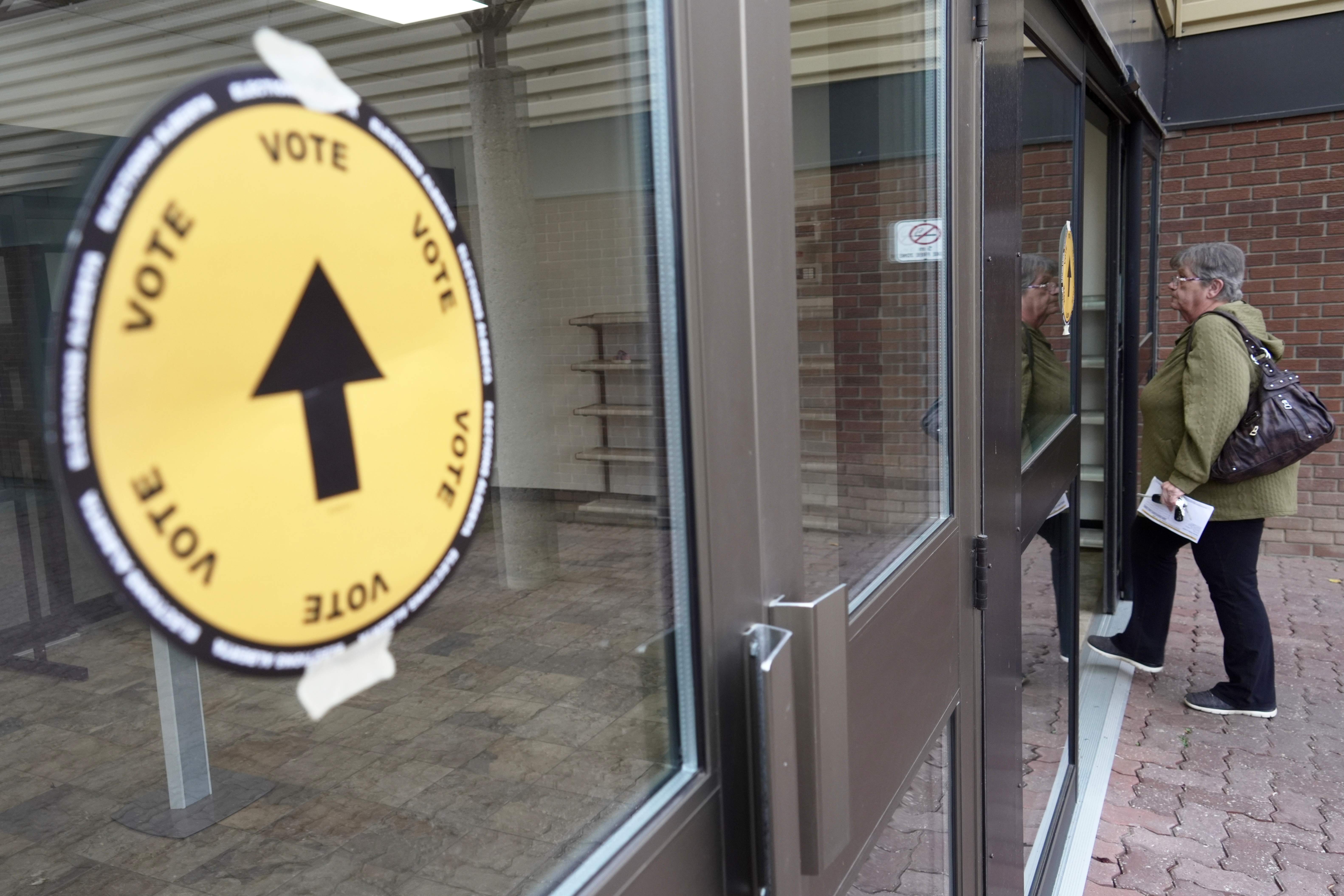
Democracy doesn't always run on schedule. When dozens of voting stations across Alberta failed to open on time during a high-stakes provincial referendum, Elections Alberta had to hit the brakes. Chief Electoral Officer Gordon McClure authorized extended hours at dozens of locations spanning Calgary, Edmonton, and surrounding rural divisions, pushing the final station closing time all the way back to 10 p.m.
If you were hoping for an early evening of scoreboard watching, you had to wait. Under provincial electoral rules, unofficial results cannot be broadcast or published until every single polling station across the province is officially locked down. That operational bottleneck turned a standard election night into a late-night vigil for political junkies and media outlets alike.
Let's look at why these delays happened, how the extension played out on the ground, and what this procedural hiccup tells us about the sheer logistical weight of running a massive provincial vote.
The Domino Effect Of Late Openings
When polls are scheduled to open at 9 a.m., voters expect doors to be unlocked and ballots ready. Instead, early morning administrative snags, staffing shortfalls, and logistical mix-ups left numerous doors shut across major urban centers.
Elections Alberta stayed tight-lipped on the exact root causes for every single delayed opening, noting only that various issues were addressed as they popped up. But anyone who has worked large-scale events or public administration knows the drill. A missing key holder, a delayed ballot box delivery, or a technical credential glitch in the first ten minutes can cascade into a half-hour delay that throws off the entire morning rhythm.
To make matters fair, McClure invoked his authority to keep specific stations open past the standard 8 p.m. closing bell. If a station opened twenty minutes late, voters at that location were given those twenty minutes back at the end of the day.
Where The Delays Hit Hardest
The extensions weren't isolated to a single small town. They hit major urban hubs and sprawling suburban ridings where turnout was already tracking high.
In Calgary, spots like the Montgomery Community Association, A.E. Cross School, and Blessed Marie-Rose School saw staggered extensions ranging from a few extra minutes past 8 p.m. to well past 8:30 p.m.
Up north in Edmonton, the delays stretched even further. Stations like Westminster School in the Edmonton-Glenora electoral division had to stay open until 10 p.m. to compensate for morning setbacks. Other spots across Strathcona, Ellerslie, and Manning required bumps ranging from fifteen minutes to an hour.
Rural and regional areas weren't immune either. Communities like Consort, Lavern, and parts of Bonnyville-Cold Lake-St. Paul had adjusted schedules to ensure every registered voice had their full window to cast a ballot.
Why Unofficial Results Stayed Locked Away
A common question during delayed elections is simple: why not release results from the stations that closed on time?
Elections law is strict for a reason. Releasing partial or early results while voters are still actively casting ballots in other parts of the province can influence behavior. Real-time trends or early numbers can sway last-minute turnout, create perceived momentum, or compromise the psychological neutrality of an active voting window.
Because of this, the strict rule holds firm. The tallying process waits for the last ballot to drop. When Westminster School in Edmonton finally closed its doors at 10 p.m., the green light was finally given to tabulate and release the unofficial numbers.
What This Means For Future Referendums
Logistical bumps happen, but they leave scars on public confidence if not handled transparently. Elections Alberta managed the crisis by keeping lines of communication open and publishing the exact minute-by-minute closing times for every affected station.
Transparency prevents conspiracy theories from taking root. When people see an exact address and an exact extended closing time—like 8:33 p.m. at École Madeleine D'Houet or 9:20 p.m. at Constable Daniel Woodall School—it removes ambiguity.
If you're voting in future provincial votes or municipal elections, keep this afternoon-to-evening shift in mind. Delays happen, but election watchdogs will bend the clock to protect your right to vote. Just don't plan on an early night when the ballot boxes are this busy.