Western alienation isn't a new concept in Canada, but it has rarely reached the ballot box quite like this. Across Alberta, voters are casting ballots in a massive provincial referendum that puts the spotlight squarely on the region's long-running friction with Ottawa.
If you are wondering why oil country is staging such a dramatic political exercise, the answer goes beyond simple posturing. Decades of economic frustration, rising anxiety over federal policies, and shifting regional dynamics have collided. The vote gives residents a chance to weigh in on ten separate questions covering everything from provincial healthcare administration and immigration targets to constitutional amendments.
Most eyes are locked on Question 10. That final prompt asks voters to choose between remaining firmly in Canada or setting in motion the legal steps toward a future binding vote on separation.
The Anatomy of a High-Stakes Ballot
Elections Alberta has labeled this event the largest electoral undertaking in the province's history. With ten distinct queries, voters aren't just answering a yes-or-no question about breaking away. They are registering granular complaints about provincial services, immigration pressures, and constitutional alignment.
The first nine questions target issues like public education funding for temporary residents, access to social services, and provincial oversight of immigration flows. Proponents of these questions argue that rapid population growth strains local infrastructure. Critics counter that the ballot is an elaborate political tool designed to pressure the federal government into granting Alberta more autonomy.
When Premier Danielle Smith announced the vote back in May, she framed it as a necessary release valve for public frustration. The sentiment caught fire following pandemic-era friction and ongoing debates over energy regulations. Yet, separation itself remains a minority viewpoint. Polling data from firms like Leger and Angus Reid consistently show that roughly one in five Albertans actually favor breaking away.
Ottawa Reacts and the Federalist Pushback
The federal government hasn't ignored the temperature in the west. Prime Minister Mark Carney traveled to Edmonton in the final days of the campaign to rally federalist supporters. He warned that flirting with separation creates unnecessary economic uncertainty and threatens long-term stability for Albertans and the rest of the country.
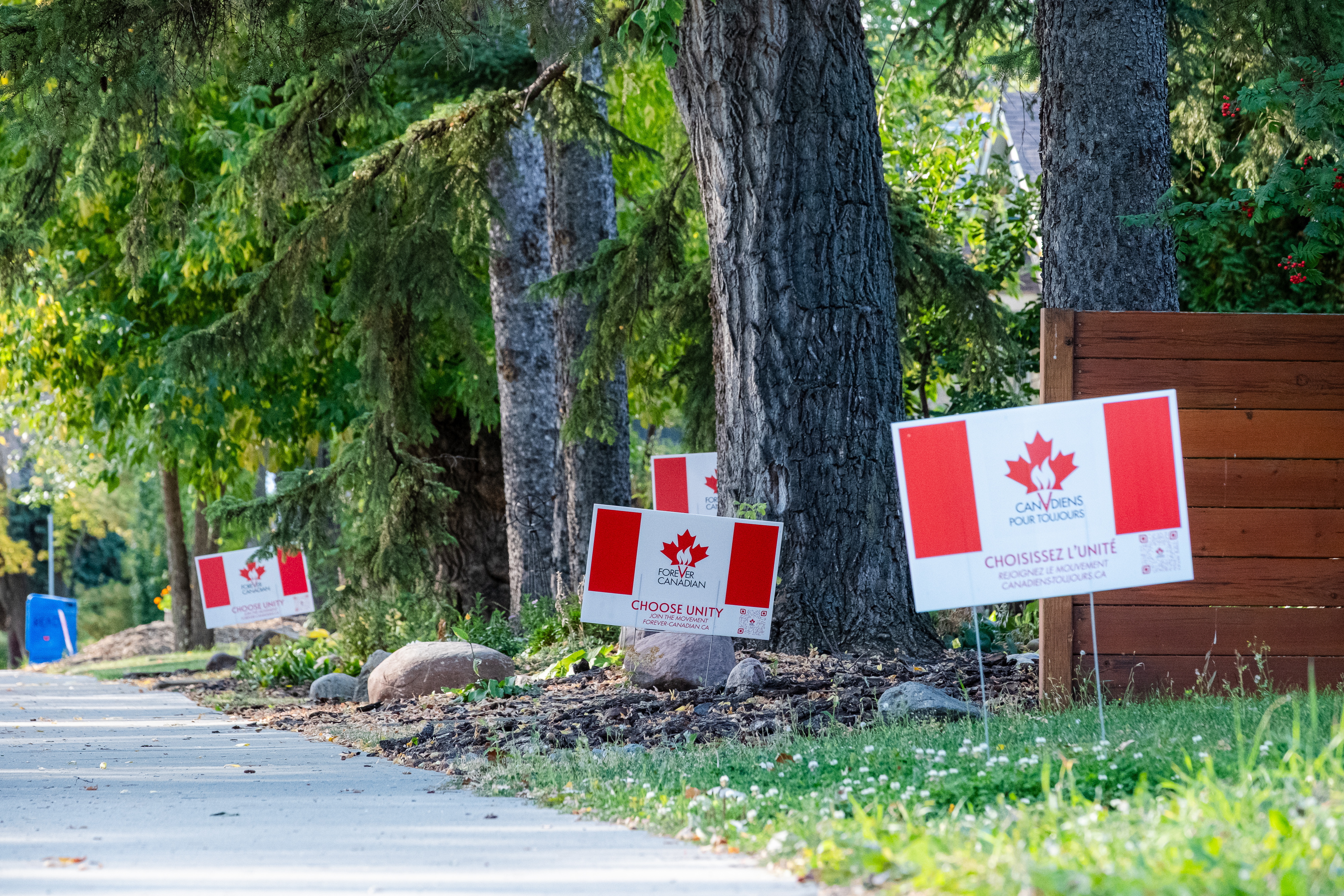
At the same time, grassroots campaigns have worked overtime to convince voters to stay. Rallies hosted by groups like Forever Canadian have drawn thousands of residents waving red-and-white flags in Edmonton and Calgary. Their message is simple: fix the federation from within rather than burning the house down.
On the other side, figures like Cory Morgan, founder of the Alberta Independence Party and the Pathway to Independence advocacy group, argue that the current system is fundamentally broken. Even if the separation option fails to win a majority—which polls strongly predict it will—separatist organizers believe a strong showing sends a loud message to Ottawa that business as usual won't cut it anymore.
What Happens After the Polls Close
Ballot boxes close tonight, but the political fallout will linger for months. For most residents, daily life won't change overnight. Grocery stores will stay open, energy pipelines will keep pumping crude southward, and the taxes collected will still be a point of fierce debate between Edmonton and Ottawa.
Yet, the referendum serves as a clear temperature check on national unity. It forces both provincial leaders and federal officials to confront deep-seated regional grievances that won't disappear just because a single vote concludes. Whether this becomes a turning point for constitutional reform or just another chapter in Western Canadian political theater depends entirely on how Ottawa responds to the numbers once they roll in.


