Malaysian Prime Minister Anwar Ibrahim wants Myanmar back in the regional bloc. But his push to reintegrate the junta-led government is drawing heavy fire from regional analysts and human rights groups who argue Kuala Lumpur is trading vital political leverage for short-term domestic fixes.
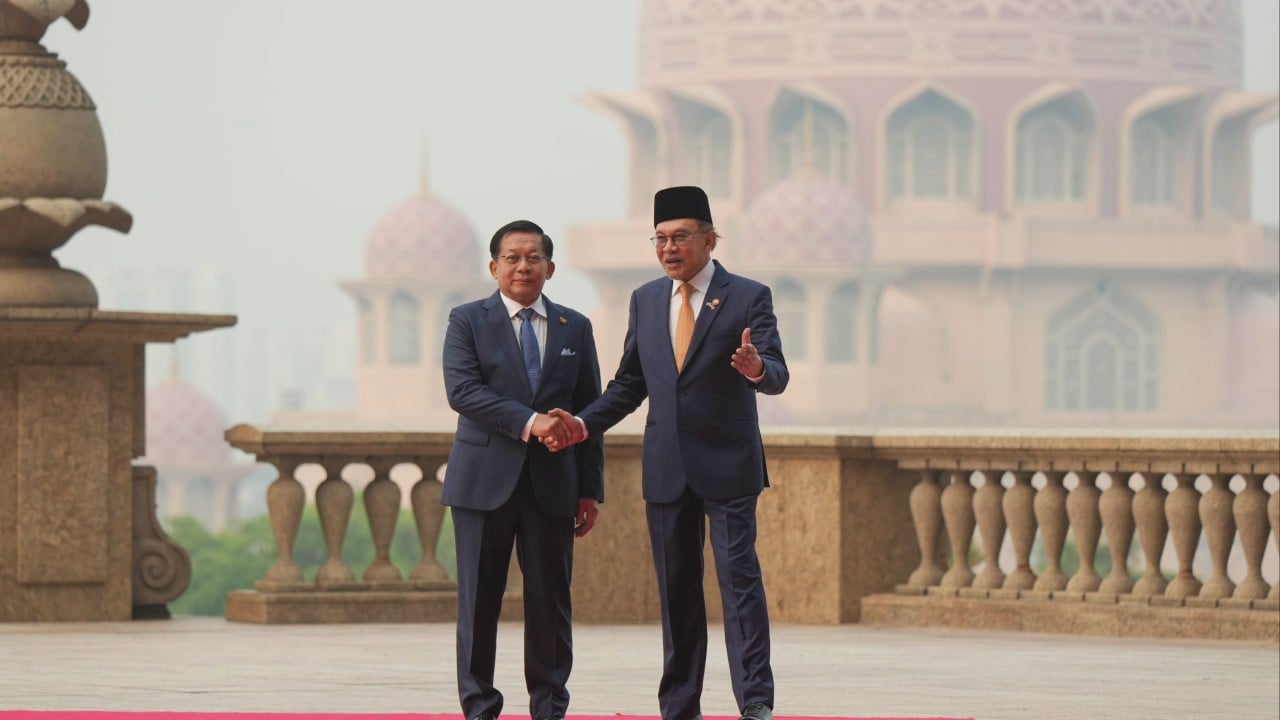
When Myanmar President Min Aung Hlaing touched down in Putrajaya for high-stakes bilateral talks, the red carpet rollout signaled a dramatic shift in Southeast Asian diplomacy. For years, the Association of Southeast Asian Nations enforced a strict freeze on high-level contacts with Naypyidaw following the 2021 military coup. Anwar is breaking that mold, arguing that isolating the regime has achieved nothing and that direct engagement is the only practical route to handling the heavy influx of refugees and regional security strains.
Critics aren't convinced. They point out that extending an olive branch without locking down concrete democratic concessions or a genuine cessation of hostilities leaves the bloc looking weak.
The Refugee Pressure Point
Why is Malaysia making this pivot now? Simple math and mounting domestic strain. Malaysia currently hosts nearly 200,000 refugees and asylum seekers from Myanmar, with the Rohingya community making up roughly 65 percent of that total.
Anwar has been blunt about the reality on the ground. Malaysia cannot host refugees indefinitely. Public resources are stretched thin, and anti-immigrant sentiment creates a volatile political backdrop at home. Recent repatriation agreements—which have already seen over 10,000 nationals returned—highlight Kuala Lumpur's urgency to clear out domestic backlogs.
To make those returns happen safely, or at least systematically, Anwar argues that engaging the junta is a mandatory chore. You cannot negotiate safe passage or border security with an empty chair.
Trading Leverage for Empty Promises
Foreign policy veterans argue that welcoming Min Aung Hlaing back into standard diplomatic channels strips the regional bloc of its single biggest weapon: international legitimacy.
By freezing out the military leadership, the association previously maintained a unified stance that human rights abuses and the overthrow of an elected government carry a diplomatic cost. Rushing to normalize ties because of fatigue risks signaling to other authoritarian factions that if they simply hold out long enough, regional neighbors will blink first.
Human rights advocates have raised alarms over the rapid repatriation deals, warning that returnees face severe risks of persecution, forced conscription, and ongoing violence in a war-torn homeland. Critics maintain that Anwar secured virtually no binding guarantees on civilian protection during the Putrajaya meetings.
Navigating Internal Politics and Regional Fractures
Anwar's foreign policy maneuvers cannot be separated from his domestic struggles. Facing fierce domestic electoral pressure, sliding approval ratings, and resurgent opposition coalitions, a decisive push to solve a visible migrant crisis offers a narrative of strong leadership.
Yet, this gambit risks fracturing regional consensus. Other members hold deeply divided views on how to handle Naypyidaw. Pushing for premature reintegration exposes deep cracks within the multilateral framework just as global superpowers vie for influence across Southeast Asia.
Real diplomacy requires tough compromises, but when those compromises look like unconditional surrender to military strongmen, the cost extends far beyond national borders. If the regional body loses its moral authority, it loses its reason for being.
Stop pretending diplomatic normalization equals actual stability. Real regional security requires accountability, not quick photo-ops that reward civil war architects.