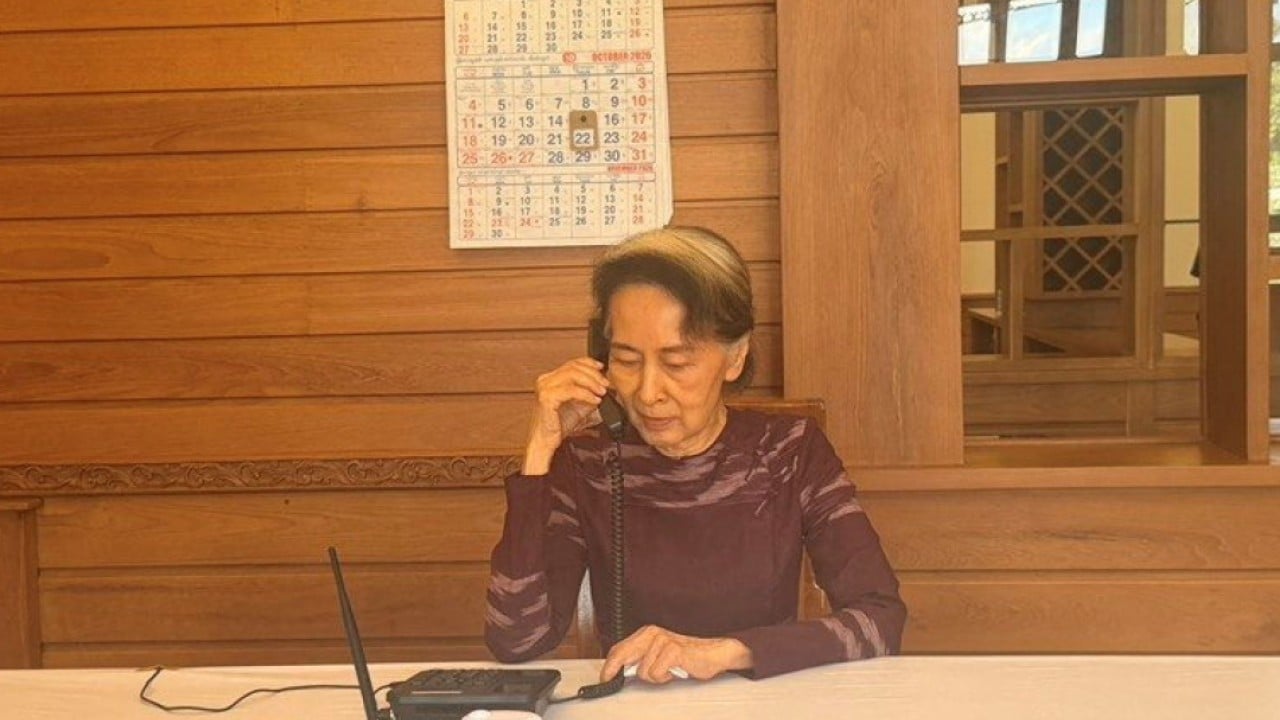
For more than five years, Kim Aris had no idea if his mother was even alive. When the military seized control of Myanmar in February 2021, they locked away Nobel laureate Aung San Suu Kyi and cut her off entirely from the outside world. Complete radio silence. No letters, no visits, no phone calls. Then, a sudden phone conversation bridged the gap between London and Naypyidaw, allowing the 81-year-old former leader to speak with her son through the Myanmar embassy.
Don't let the sentimental headlines fool you. This unexpected gesture isn't a sudden burst of humanitarian goodwill from a kinder, gentler military regime. It's a calculated public relations maneuver. Myanmar's ruling generals are desperate for international legitimacy, sanctions relief, and a way back into mainstream diplomacy. When a regime continues to launch airstrikes on civilian populations while simultaneously staging photos of detained political figures receiving gifts from British royalty or making rare phone calls, you're looking at a classic authoritarian playbook strategy.
The Reality Behind the Myanmar Junta Strategy Shift
To understand why this communication happened now, you have to look at the pressure building on the military authorities. ASEAN has largely sidelined the regime, international condemnation remains fierce, and local armed resistance groups continue to challenge military control across vast swathes of the country. Facing mounting friction over junta-led political maneuvers and elections, the generals need a smoke screen.
Allowing a single phone call after half a decade doesn't mean family access has been restored. It means the regime is testing the waters. They want to see how foreign governments and regional bodies react to minimal concessions. They are hoping that a glimpse of normalcy—such as photos of Suu Kyi cutting a birthday cake or hearing her voice over an embassy line—will soften international resolve and convince onlookers that the situation is improving.
Kim Aris called out the trap immediately. In his public statements following the call, he made it crystal clear that one brief conversation does not equal freedom. He warned foreign diplomats and governments not to fall for cosmetic changes or use a solitary phone call as an excuse to normalize ties with a regime that still holds thousands of political prisoners behind bars.
What the International Community Keeps Getting Wrong About Myanmar
Foreign policy analysts often fall into the trap of treating minor concessions from rogue regimes as genuine turning points. You see it time and again. A dictator permits a consular visit, releases a handful of low-level detainees, or passes along a package from a foreign monarch, and suddenly pundits start talking about a "thaw" in diplomatic relations.
That framework is fundamentally broken.
Myanmar's military leaders aren't reforming out of the goodness of their hearts. They are reacting to economic strain, internal security failures, and diplomatic isolation. Every small privilege granted to high-profile prisoners like Aung San Suu Kyi is transactional. The generals are trading crumbs of access for diplomatic breathing room. If global powers accept these hollow gestures without demanding unconditional releases and real accountability, they are simply playing into the junta's hands.
Why One Phone Call Changes Nothing on the Ground
If you're wondering whether this shift signals an end to the civil war or a transition toward actual democracy, the answer is a hard no. Heavy fighting continues. Airstrikes against civilian areas haven't stopped. The judicial system remains a weapon used by the military to keep political opposition crushed under decades-long prison sentences.
Aung San Suu Kyi is still serving a massive sentence—recently reduced on paper, but keeping her effectively locked away from public life. Treating her as a bargaining chip rather than a free citizen highlights the core weakness of the junta's position. They are terrified of her influence, yet they need to use her existence to extract concessions from a skeptical world.
Keep your eyes on what actually matters. Don't measure progress by curated photo ops or isolated phone calls routed through embassies. Measure it by the immediate and unconditional release of all political prisoners, the cessation of violence against civilians, and the complete dismantling of military rule. Until those conditions are met, any talk of a strategic shift is nothing more than smoke and mirrors.



