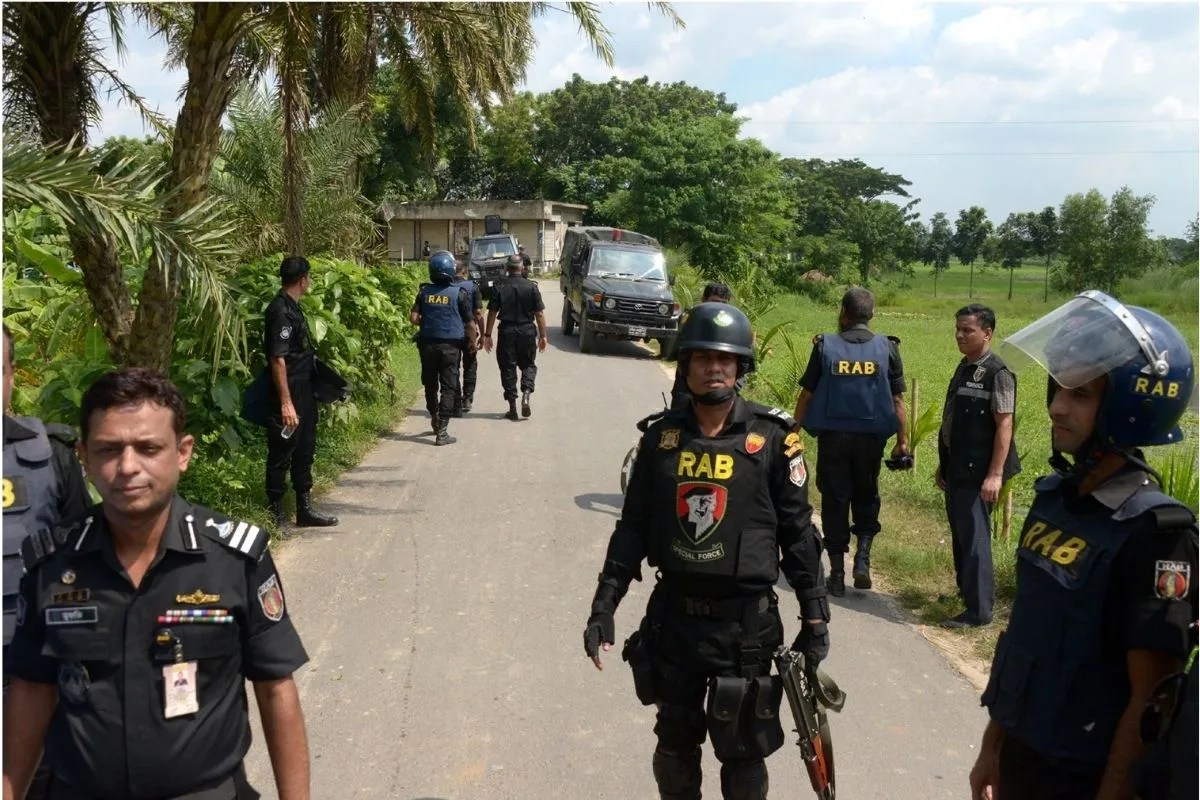
Radical elements don't just appear overnight in a vacuum. They wait, they organize in plain sight, and they exploit political vacuums. Right now, Bangladesh is staring down a grim reality as a newly exposed extremist network called Ittihadul Ummah makes its presence felt in Dhaka. Security forces are on high alert, and for good reason.
When authorities raided a mosque at Tejgaon College and detained 23 individuals holding clandestine meetings, it wasn't just another routine police sweep. It exposed a chilling ambition to build a caliphate and destabilize the country from within. If you've been watching South Asian geopolitics casually, this escalation should wake you up immediately.
Inside the Tejgaon College Raids and the Ittihadul Ummah Blueprint
The details coming out of Dhaka point to a systematic push by fringe religious elements. Intelligence reports and forensic examinations of seized mobile phones revealed that Ittihadul Ummah isn't just an informal gathering of disgruntled youth. It operates with a structured agenda aimed at subverting state authority.
Ever since the political upheaval of July 2024 and the shift toward an interim administration led by Muhammad Yunus, the security apparatus has faced massive strains. Radical networks have capitalized on this instability. While high-profile extremist leaders remain loose after escaping prison during past chaos, new cells are actively recruiting in educational institutions and urban religious centers.
The strategy relies on standard playbook tactics. Organizers use religious sentiments as a shield while coordinating underground agendas designed to fracture national security. When security agencies moved on the Tejgaon mosque, they found concrete digital footprints mapping out organizational structures and recruitment targets.
The TTP Connection and Military Vulnerabilities
The threat doesn't stop at street-level radical cells. It reaches inside state security institutions themselves.
Earlier this year, a startling security breach occurred when a warrant officer from the Bangladesh Air Force vanished from a base in Chattogram. Investigators traced his movements directly to a hideout belonging to the Tehreek-e-Taliban Pakistan (TTP). This crossover proves that domestic extremist outfits in Bangladesh are attempting to forge operational ties with hardened transnational militant syndicates.
External monitors have flagged these risks for months. Back in August, a United Nations Security Council monitoring report warned that groups like Al-Qaeda in the Indian Subcontinent (AQIS) view Bangladesh as fertile ground for establishing permanent operational bases. When local radical groups align with transnational terror logistics, regional security equations change overnight.
Why Regional Stability Hangs in the Balance
Ignoring these warning signs is a luxury Dhaka and its neighbors simply don't have. Extremist groups thrive when law enforcement is distracted by political transitions and civil administrative overhauls.
Securing institutional integrity requires more than temporary crackdowns or high-alert warnings. State authorities must dismantle the financial pipelines and digital recruitment channels powering networks like Ittihadul Ummah. Left unchecked, these cells will morph from localized security nuisances into widespread insurgent threats.
Monitor intelligence briefings closely, track how state prosecutors handle detained suspects in Dhaka, and pay attention to border security reports across South Asia over the coming months.



