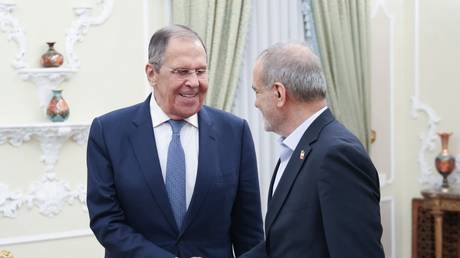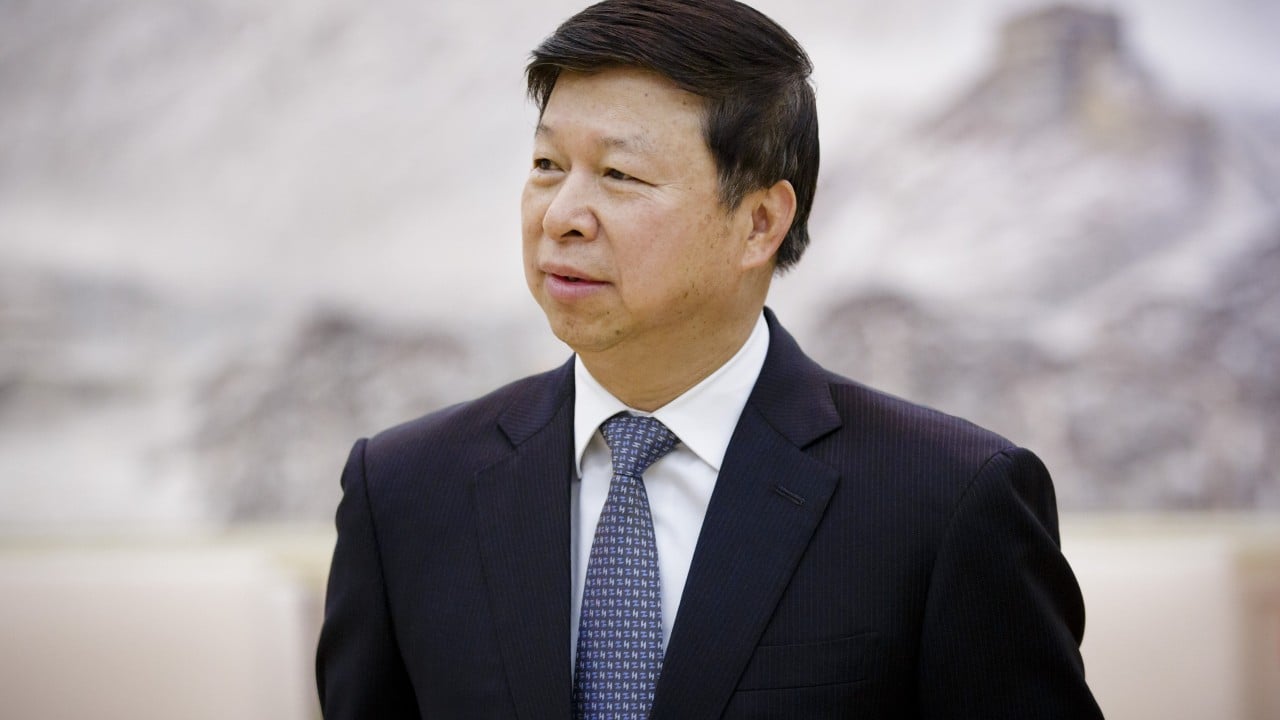
Geopolitical diplomacy rarely happens entirely in the open. When Beijing's top Taiwan official, Song Tao, sat down with a delegation from the National Committee on American Foreign Policy led by Susan M. Elliott, it wasn't just another routine diplomatic handshake. It marked a calculated shift into Track 1.5 diplomacy. China wants Washington to hear its warnings without the formal constraints of state-to-state negotiations.
If you are wondering why Beijing is ramping up its messaging on Taiwan right now, the answer comes down to a simple reality. China's leadership is deeply concerned about creeping changes to the status quo, especially following political developments in Taipei and sustained defense ties with the United States. Song Tao made it crystal clear during the meeting that Washington needs to approach the Taiwan issue with the utmost caution and actively oppose Taiwanese independence.
What Track 1.5 Diplomacy Actually Achieves
Track 1.5 diplomacy combines official actors with private experts and think tanks. It is a deliberate choice. Governments use these channels when formal diplomatic cables feel too rigid or public statements sound too inflammatory.
By meeting the National Committee on American Foreign Policy delegation in Beijing, Song Tao bypassed the traditional bureaucratic friction of foreign ministries. He communicated Beijing's bottom line directly to influential American policy voices who feed directly into Washington's security circles.
You see, Beijing doesn't just want to talk. It wants to establish boundaries before misunderstandings trigger an accidental escalation in the Taiwan Strait. Military activities by Chinese naval and coast guard vessels around Taiwan have intensified, reflecting an operational posture that matches the verbal warnings.
Decoding Beijing's Core Red Lines
The Taiwan issue has never been negotiable for Beijing. It sits right at the center of what Chinese officials describe as their core interests. When American politicians push for increased arms sales or host high-profile visits by Taiwanese political figures, Beijing treats these actions as violations of the foundational agreements underpinning US-China relations.
Think about how this dynamic plays out on the ground. Every time a foreign delegation visits Taipei or a new defense package moves through Congress, Beijing responds with intensified air and maritime patrols. These aren't random maneuvers. They are visual representations of the red lines Song Tao discussed with the US think tank delegation.
The strategy is straightforward. China wants to raise the political and economic cost for Washington if it continues to support Taipei's international space and military modernization.
Why the Timing Matters for Global Markets
You might ask why this specific meeting matters outside of foreign policy nerd circles. The answer is stability. Global supply chains, particularly in semiconductors and advanced technology, run right through the Taiwan Strait.
When cross-strait tensions spike, shipping insurance rates rise, tech stock valuations wobble, and corporate boards scramble to draft contingency plans. Understanding Beijing's red lines isn't just about geopolitics. It is about risk management for anyone operating in global trade.
Beijing is signaling that economic interdependence alone won't stop them from drawing a hard line on sovereignty. As both superpowers navigate a fragile diplomatic landscape, these back-channel warnings are designed to prevent small miscalculations from spiraling into a major confrontation.
Watch how Washington responds to these messages over the coming months. The real test will be whether US policymakers adjust their posture or double down on deterrence. Keep an eye on congressional arms packages and diplomatic visits, because those will tell you immediately whether Beijing's warnings landed or fell on deaf ears.