The Black Sea isn't just a body of water anymore. It's a high-stakes hazard zone where commercial shipping collides with modern warfare, and innocent sailors pay the highest price.
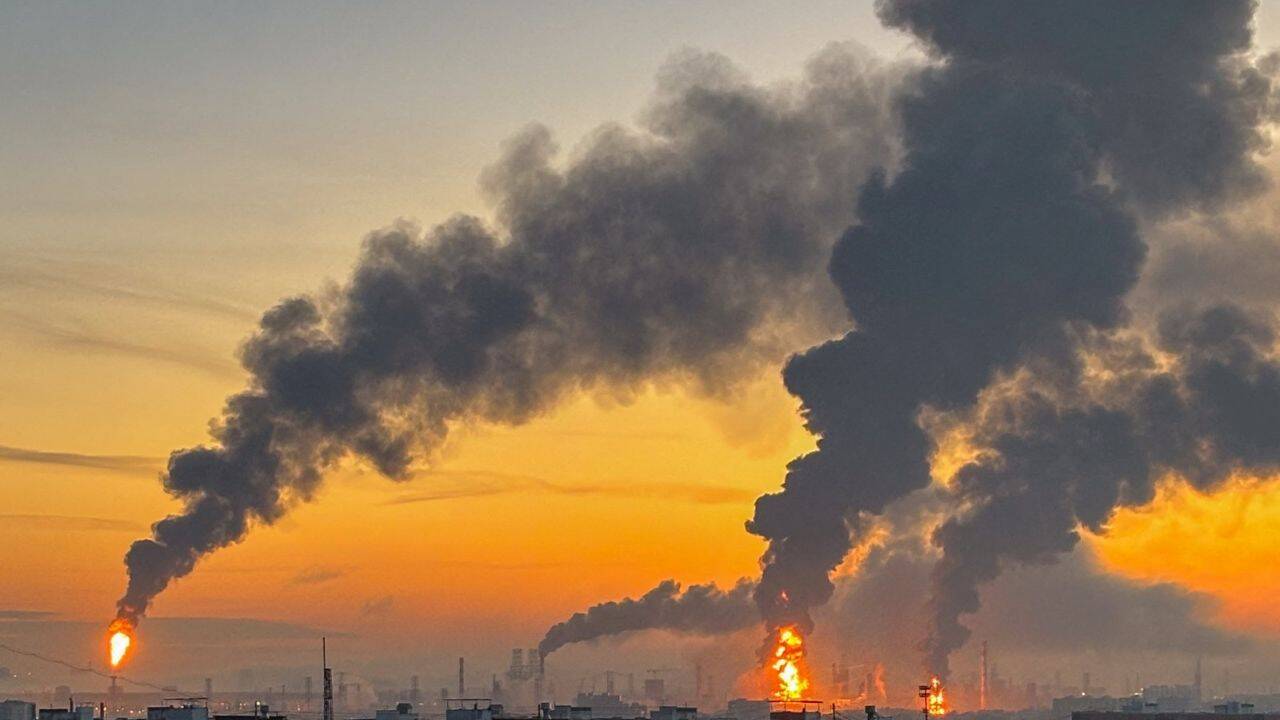
When two chemical tankers caught fire overnight near the mouth of the Sulina Canal in Romanian territorial waters, the maritime industry woke up to yet another crisis. Rescue teams launched desperate searches for eight missing crew members from the San Marino-flagged tanker Wine Trader. Four others from that vessel survived, while a second ship, the Comoros-flagged Yara J, caught fire nearby with its crew safely accounted for.
If you think this is an isolated accident caused by standard maritime negligence, you're missing the bigger picture. These disasters happen because the ongoing war in Eastern Europe has turned vital commercial chokepoints into floating minefields.
The Dangerous Reality of Black Sea Navigation
Commercial vessels shouldn't have to dodge military debris or airborne threats while carrying cargo. Yet, ships waiting to pass through the Danube River delta face unprecedented congestion and peril.
The Sulina Canal connects the Danube River directly to the Black Sea. It serves as a lifeline for grain and fuel transport, especially since Russia continues to target Ukraine's primary Black Sea ports. Ukraine has been forced to shift its export routes down the Danube and along the shallow coastal waters near Romania and Bulgaria.
This shift creates a massive bottleneck. Cargo ships anchor for days or even weeks waiting for clearance, sitting ducks in an increasingly hostile environment.
Romania's naval authority confirmed receiving the emergency distress call from the Wine Trader as flames engulfed the ship. Just days prior, Romanian officials reported multiple Russian drone incursions into national airspace. While authorities stop short of pointing fingers at specific projectiles for these exact tanker fires, the pattern is terrifyingly clear. At least five other cargo ships near the coasts of Romania and Bulgaria suffered strikes over a ten-day stretch, leaving more than twenty-three sailors missing or dead.
Why Traditional Maritime Insurance and Safety Are Failing
Commercial shipping relies on predictable rules, safe harbors, and clear communication. None of those apply here anymore.
When nations treat regional waters as testing grounds for drones and coastal missile systems, civilian mariners bear the brunt of the chaos. Shipowners face an impossible dilemma. Do they abandon lucrative Black Sea trade routes and cripple regional food and fuel supplies, or do they roll the dice and hope their crew isn't the next headline?
The human cost goes far beyond delayed shipments or rising insurance premiums. Real people sign up to move global commerce, not to dodge military fallout in international or territorial waters. When eight crew members vanish overnight in the chilly waters near Romania, it highlights a total breakdown in maritime protection protocols.
What Needs to Happen Next
Talks of energy ceasefires and diplomatic posturing mean very little to sailors trapped in traffic jams outside the Sulina Canal. If regional authorities and international bodies want to prevent further tragedies, they need immediate, actionable changes:
- Establish Protected Humanitarian Corridors: Commercial shipping lanes must be officially demilitarized and monitored by neutral third parties to guarantee safe passage away from active conflict zones.
- Revise Congestion Management: Leaving tankers anchored indefinitely in congested clusters makes them easy targets. Ports and coastal states must streamline clearance procedures to minimize waiting times.
- Mandate Real-Time Threat Intelligence: Ship operators need direct, unfiltered military telemetry feeds regarding drone activity and airspace violations before entering high-risk coastal sectors.
Stop pretending standard safety protocols are enough. Until international stakeholders enforce real accountability on the water, the Black Sea will remain a graveyard for commercial shipping.



