Foreign policy in Washington often treats sovereign states like spreadsheet entries. You remove a leader, apply economic pressure, and somehow expect a functioning, pro-Western democracy to emerge from the rubble. History tells a completely different story. When external powers launch military campaigns to force regime change, they almost always achieve the exact opposite of what they intend.
Right now, the ongoing conflict involving Iran is following this exact predictable and disastrous script. Instead of collapsing under the weight of foreign military pressure, Iranian society is hardening. The political structures that Western planners hoped to shatter are consolidating. If you want to understand why military intervention in Tehran is bound to fail, you have to look past the talking points and examine how ordinary Iranians respond to bombs falling on their soil.
The Nationalism Trap That Washington Keeps Missing
Foreign strategists constantly underestimate the power of national identity. When missiles strike civilian or state infrastructure, people don't suddenly check out government polling data or welcome foreign intervention. They rally around the flag.
Iran has an ancient and complex civilizational history. People there might harbor deep, legitimate grievances against domestic economic mismanagement, corruption, or heavy-handed policing. I've spoken with enough people familiar with the region to know that domestic discontent is real and widespread. But grievance against a government evaporates the second an external enemy starts dropping munitions.
When foreign jets enter Iranian airspace, the internal political debate shifts instantly from "how do we fix our corrupt leadership" to "how do we protect our country from foreign invasion."
Washington's regime change playbook relies on a fundamental misconception. Policymakers assume that an unpopular government is a fragile government. They think that by removing top-tier leadership or crippling state finances, the entire apparatus will fold like a cheap tent. But states like Iran aren't just one guy sitting in an office. They are sprawling networks of security services, religious institutions, economic patronage structures, and military units.
Decapitation strikes don't dismantle these networks. They cause them to close ranks. The hardliners within the security apparatus use the existential threat of war to purge moderates, shut down internal dissent, and justify complete domestic control. You wanted a liberal democracy, but you just handed total power to the most ruthless security factions.
Why External Pressure Crushes Domestic Reform
Real, lasting political reform has to come from within. It has to be driven by civil society, labor unions, students, and everyday citizens risking their lives for a better future.
When Washington or foreign allies insert themselves into the equation with military force, they pull the rug out from under local reformers. Overnight, anyone advocating for human rights or internal political opening gets labeled as a foreign agent. The state apparatus has a field day arresting dissidents, pointing to actual foreign bombs as proof that internal critics are working for the enemy.
It's a tragic dynamic. The very people who want a more open, free society end up caught in the crossfire. They get crushed by a paranoid state that feels justified in using iron-fist tactics because an active war is underway.
The Economic Fallout Nobody Talks About
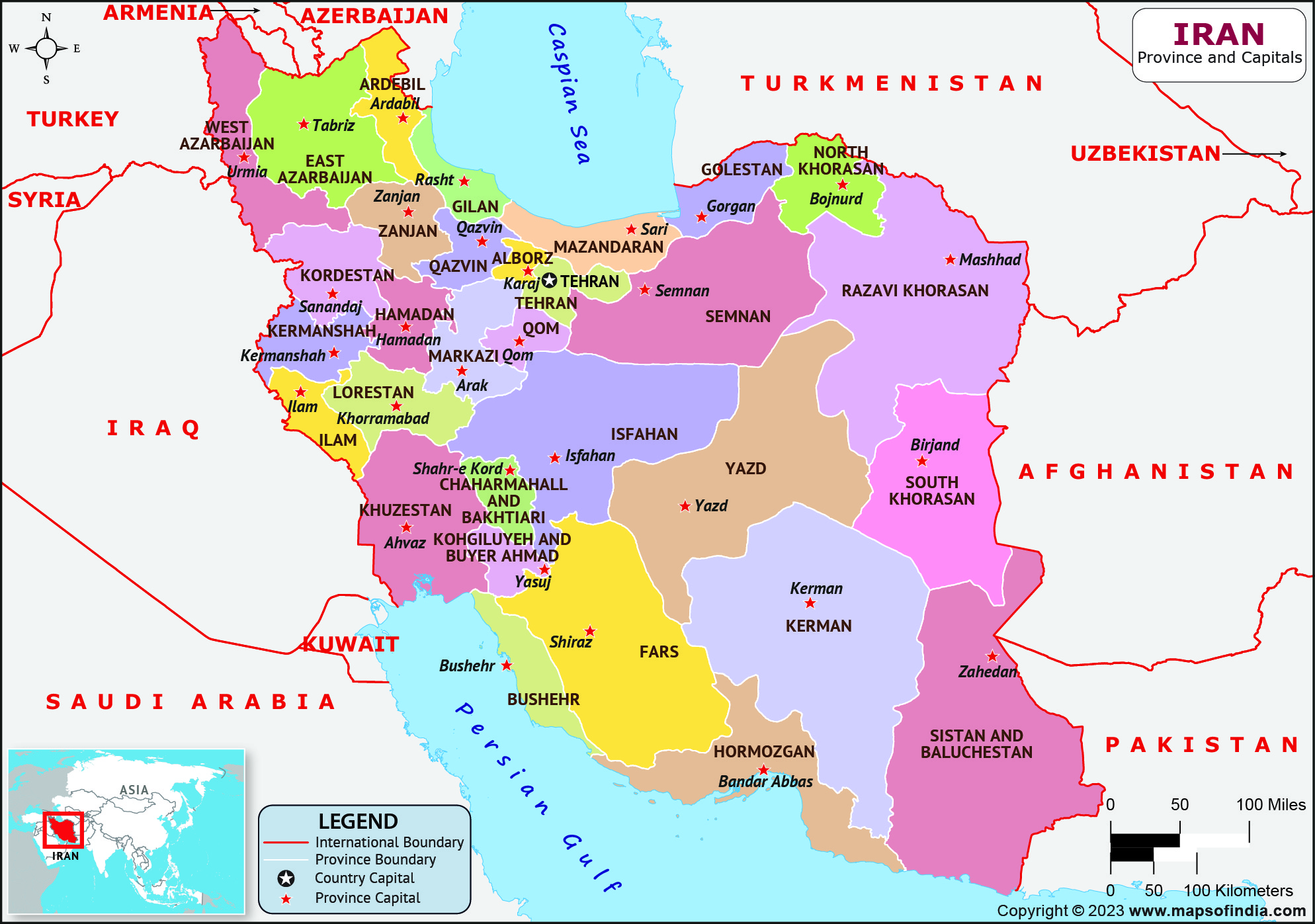
The fallout isn't just political. Look at the global economic chessboard. Conflicts in the Middle East send immediate shockwaves through energy markets. When shipping lanes like the Strait of Hormuz face disruption, global oil and gas prices spike violently.
The ironic part? American consumers end up paying higher prices at the pump because domestic energy is pegged to international supply and demand. Meanwhile, energy conglomerates reap massive windfall profits. You get a situation where everyday citizens in the West shoulder the financial burden of a war they never asked for, while geopolitical instability deepens across the entire region.
Regional powers are waking up to this reality, too. Gulf states and neighboring countries are realizing that being caught between Washington's military gambits and Tehran's retaliation is a losing game. Diplomacy keeps getting pushed aside for short-sighted military theater, leaving everyone less secure than they were before.
What Happens Next
The war on Iran is a masterclass in strategic blindness. It assumes that brute force can rewrite the political DNA of a proud nation of nearly 90 million people. It ignores historical precedent, from Iraq to Afghanistan, where military interventions cost trillions of dollars, destroyed countless lives, and left behind fractured states and empowered extremists.
If Washington actually cared about regional stability or the well-being of people inside Iran, it would ditch the fantasy of forced regime change. Until policymakers realize that dropping bombs only strengthens the walls of the regime they want to tear down, we are doomed to repeat the same catastrophic mistakes on an even larger scale. Stop expecting military coercion to solve political crises. It never has, and it never will.