Big tech companies claim they protect democracy. But when algorithms suddenly throttle a major presidential campaign, that promise rings hollow.
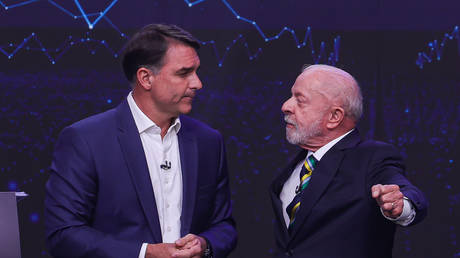
Brazilian President Luiz Inácio Lula da Silva just threw down the gauntlet against Silicon Valley. His campaign formally accused Meta of election interference ahead of the tense October 25 runoff vote against Senator Flavio Bolsonaro. When an incumbent leader’s official channels face sudden visibility caps, search disappearance, and frozen view counts right before a national ballot, it is tough to dismiss it as a mere software glitch.
Let us look at what actually happened. The Lula campaign reported that Meta blocked their ability to promote Instagram feed posts. Worse, a crucial official video suffered an abrupt metric freeze that choked its reach. Just days before the first round of voting on October 4, leftist candidate profiles completely vanished from Instagram's search bar.
Brazil’s Superior Electoral Court didn't brush it off. They slapped Meta with a strict 48-hour deadline to explain the algorithmic anomalies and detail every single restriction placed on Lula's accounts. If you want more about the background here, Al Jazeera provides an in-depth breakdown.
Meta’s Brazil office hit back with the standard playbook. They called the accusations false, arguing that technical issues hit accounts globally, not just political candidates in South America. They insist they maintain a level playing field.
Here is the problem. A global software bug does not magically target one specific political camp during a high-stakes electoral runoff. When transparency lacks, suspicion thrives.
The Dangerous Intersection of Tech and Democracy
Platforms like Instagram, Facebook, and WhatsApp hold immense power over modern political discourse. They act as the town square. Yet, they remain private corporations accountable primarily to their shareholders, not voters.
When algorithms decide who gets seen and who gets buried, they exercise unelected political influence. You don't need a massive conspiracy to skew an election. Sometimes, opaque moderation rules and algorithmic throttling do the job quietly in the background.
Lula's team took the fight straight to court, filing a formal complaint. It marks a growing shift in how sovereign nations handle tech monopolies. Governments are tired of tech giants hiding behind "automated moderation" excuses when things go wrong during critical democratic events.
What This Means for Global Elections
Elections everywhere rely heavily on digital reach. When candidates cannot even pay to promote basic campaign updates without mysterious blocks, the integrity of the entire ecosystem collapses.
Meta denies any foul play, but trust is already damaged. If social platforms want to host democratic elections, they need radical transparency. Vague statements about global technical glitches won't cut it anymore.
Watch how this plays out in Brazil over the coming days. The electoral court's ruling could set a massive precedent for how tech platforms are held accountable when algorithms step on the scales of democracy.
Check your sources, demand platform accountability, and watch how digital gatekeepers attempt to shape the vote.