Traditional maritime choke points are growing dangerously crowded. While cargo ships crawl through crowded southern canals and navigate volatile geopolitical bottlenecks, a different strategy is taking shape far to the north. Beijing and Moscow are quietly doubling down on polar logistics, transforming frozen northern passages into high-stakes commercial highways.
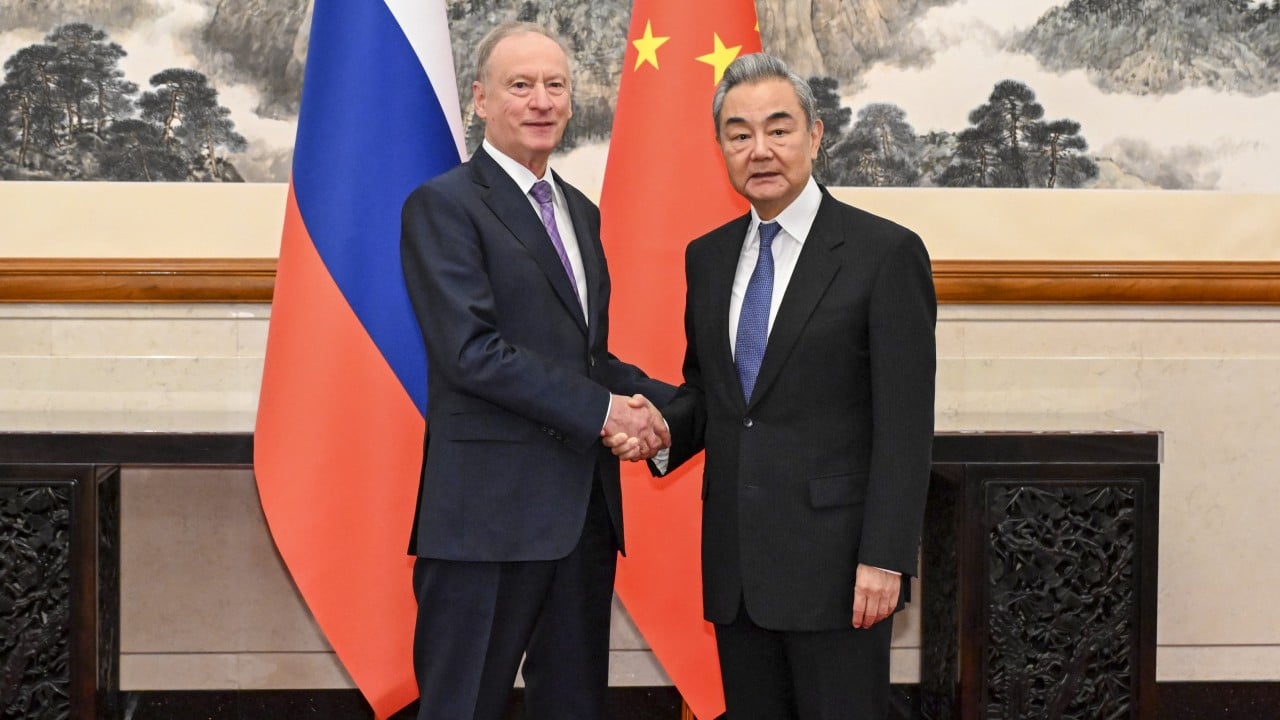
Top Chinese diplomat Wang Yi recently met with Kremlin aide Nikolai Patrushev to align their maritime ambitions. They aren't just talking about routine trade. They're building a concrete framework to secure energy supplies, bypass Western-controlled transit lanes, and reshape global supply chains for good. If you want to understand where international trade is heading over the next decade, look toward the ice.
The Real Driver Behind Polar Logistics
Let’s be honest about what is motivating this sudden urgency. Energy security dictates everything. Western sanctions, naval patrols, and persistent regional tensions have made traditional sea lanes risky propositions for Beijing's energy imports.
By linking China's Polar Silk Road initiatives directly with Russia's Trans-Arctic Transport Corridor, both nations are creating an alternative insurance policy. It's about keeping oil, gas, and raw materials flowing regardless of what happens in the Strait of Malacca or the Suez Canal.
When you shave thousands of nautical miles off a voyage between Asian ports and European markets, the economic incentive becomes impossible to ignore. South Korea recently hailed the success of its own Arctic shipping trials, noting shaved transit times of roughly ten days compared to southern routes. Moscow and Beijing want to institutionalize this advantage on a massive industrial scale.
Shipbuilding, Technology, and Shared Risks
Building an Arctic logistics network isn't just about drawing lines on a map. You need specialized ice-class vessels, advanced port infrastructure, and heavy engineering expertise that can withstand sub-zero conditions.
During their recent talks, Russian officials made it clear they want to lean heavily on China's massive shipbuilding capacity and commercial logistics experience. Russia's domestic facilities face severe supply chain crunches and technological hurdles. Partnering with Chinese shipbuilders allows Moscow to accelerate the construction of specialized fleets capable of navigating frozen waters year-round.
At the same time, Beijing secures a steady, overland-adjacent maritime pipeline that insulates its industrial machine from external shocks. It's a pragmatic trade-off. Russia provides the geography and the resources; China brings the industrial might and capital required to turn frozen ambitions into operational reality.
The Geopolitical Pushback
Of course, this alliance doesn't exist in a vacuum. Western powers are watching these polar developments with growing anxiety. The European Union has repeatedly given cold shoulders to commercializing Arctic transit, citing environmental concerns and strategic risks. Meanwhile, Washington continues to advance legislative measures targeting Russian energy buyers and maritime participants.
Recent US political maneuvers, including bills aimed at penalizing Russian energy imports, have only intensified the urgency for Beijing and Moscow to insulate their trade corridors. They are building a parallel economic architecture that operates outside traditional Western financial and logistical systems.
You can expect more friction in international bodies over ocean governance. Both nations view maritime cooperation as a vital shield against external pressure. They are positioning themselves as the dominant rule-makers in a changing polar environment.
What Comes Next
The convergence of Russian energy wealth and Chinese industrial logistics is rewriting the rules of global trade. As ice sheets recede and navigational seasons lengthen, the Arctic is transforming from a scientific frontier into a contested commercial theater.
Don't expect either government to slow down. They are locking in long-term supply agreements and technical partnerships right now. Watch for announcements regarding joint shipbuilding ventures and expanded port infrastructure along the Siberian coast over the coming months. The northern route is open for business.



