Jokes carry weight. Sometimes, they carry a prison sentence or a car bumper to the pelvis. When Taiwanese stand-up comic Huang Yi-hao mocked Beijing's leadership on stage, he expected laughs, maybe some online backlash, and ordinary heckling. He did not expect a GPS tracker planted on his scooter or a rented car deliberately ramming him into the pavement on a Taipei street.
New Taipei prosecutors recently indicted five men tied to a bizarre, chilling plot funded by a mainland handler known only as "K." The price tag for putting Huang in the hospital? About 450,000 New Taiwan dollars, or roughly $14,000 USD. The attackers failed to finish the job because Huang screamed too loudly, scaring them off before they could inflict catastrophic trauma.
This isn't just a bizarre local crime story. It marks a darker turn in how geopolitical pressure operates on the ground in self-governing democracies.
The Evolution of Cross-Border Intimidation
People usually picture geopolitical friction through naval blockades, fighter jets buzzing air defense zones, or massive state-sponsored cyberattacks stealing defense secrets. Cross-border suppression hits closer to home. When authoritarian governments target foreign comedians, bloggers, or dissidents, they are sending a message that national borders do not offer safety.
Think about how this works logistically. The suspects didn't just walk up and punch Huang. Investigators discovered a GPS tracking device attached to his scooter months before the crash, mapping his daily habits, routes, and performance schedules. That requires coordination, local assets, and financial backing from across the strait.
According to Taiwan's Mainland Affairs Council, at least 126 individuals have faced some form of transnational repression tied to Beijing in recent years. Stunts like throwing feces and paint at clubs hosting Huang's shows in May escalated into physical violence by September. The shift from harassment to vehicular assault shows a chilling escalation in intimidation tactics.
Why Stand-Up Comedy Threatens State Power
Autocrats hate being laughed at. Dictatorships spend billions projecting an image of untouchable strength, solemn majesty, and infallible wisdom. Satire shatters that illusion instantly.
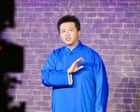
When Huang Yi-hao stepped on stage wearing a traditional gown, invoked a "plump figure" with "swept-back hair," and targeted policies surrounding Hong Kong and the pandemic, he wasn't just telling cheap punchlines. He punctured the aura of untouchability surrounding China's top leadership. Satire weaponizes humour against totalitarian control.
When an entire crowd joins in to chant the name of a leader who claims absolute authority over them despite never ruling their island, it exposes a profound lack of fear. That lack of fear is precisely what foreign handlers want to crush. If a comic can make millions laugh at Beijing's expense without consequence, the narrative of inevitable control collapses.
The Economics and Motives of Paid Thuggery
The financial trail uncovered by prosecutors reveals a transactional approach to intimidation. The mastermind "K" promised the five defendants a payout contingent on hospitalizing Huang. But when the dust settled and Huang walked away with a bruised pelvis rather than broken bones, the payout was withheld.
This transactional model turns local lawless elements into cheap mercenaries for foreign interests. It lowers the barrier to entry for cross-border violence. You don't need elite intelligence operatives for a targeted hit when you can hire local proxies through encrypted messaging apps to ram a scooter.
Yet, the plot backfired in terms of optics. Instead of silencing Huang, the attack put a massive spotlight on his routines. Videos of his sets circulated more widely, and public awareness of foreign interference spiked.
What Taiwan and Free Speech Advocates Face Next
Huang made it clear he won't stop performing. He noted on social media that he writes jokes because they are funny, rejecting any mantle of heroism. But his rhetorical question cuts straight to the core of the island's anxiety: If critics face vehicular assaults for speaking out when Beijing doesn't even govern Taiwan, what happens to free expression if the political status quo ever shatters?
For observers watching cross-strait relations, this case exposes the vulnerability of open societies. Democracies pride themselves on freedom of movement, privacy, and open debate. Those exact virtues make it agonizingly easy for hostile actors to track citizens, scout locations, and deploy proxies without immediate detection.
Protecting free speech now requires security measures that democracies historically despise. Countering foreign interference demands better digital hygiene, aggressive tracking of suspicious financial flows, and severe legal penalties for anyone acting as a domestic proxy for foreign state interests.
The next time you watch a political satirist tear into a powerful world leader, remember that the laughter carries real risk. Comedians shouldn't need bodyguards to tell a joke, but in 2026, the battle lines of authoritarian control run right through local comedy clubs. Stay vigilant about who is watching, and never take open debate for granted.