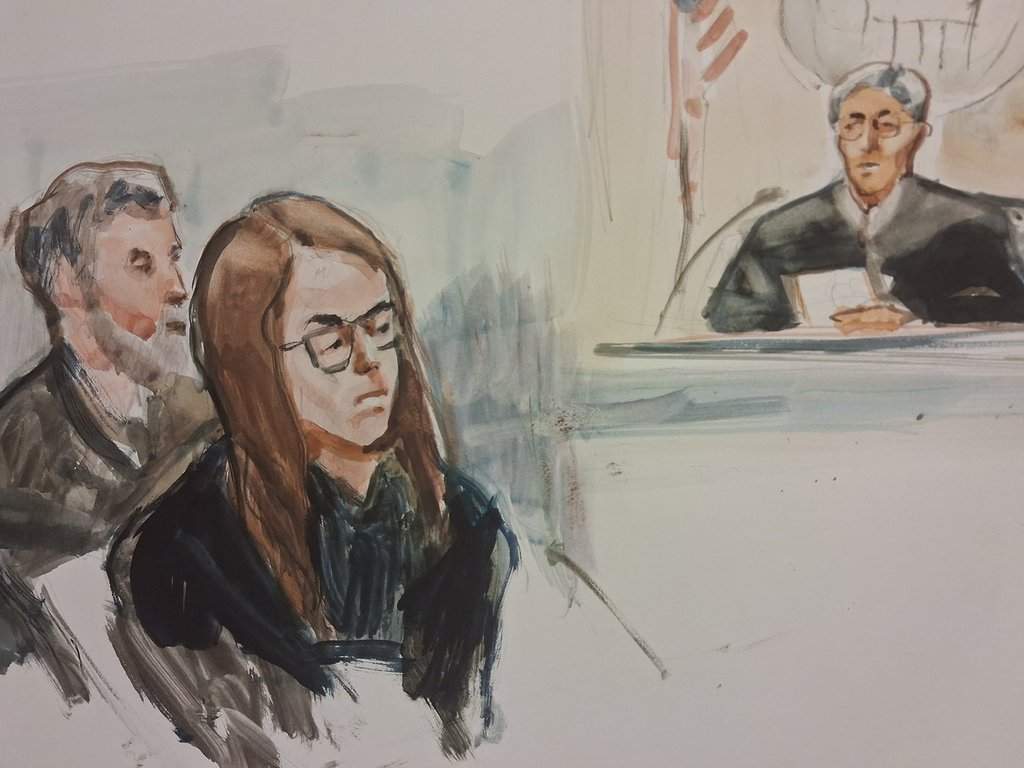
The Seattle courtroom was dead silent when the decision came down. James Cody Bryant, a U.S. resident charged in connection with the horrific Tumbler Ridge school shooting in British Columbia, was officially denied bail.
When you look at cross-border criminal conspiracy cases, this ruling highlights the immense hurdles suspects face when digital communications link them directly to foreign mass violence. Bryant stands accused of conspiring to murder people in a foreign country, a charge carrying staggering gravity. Federal prosecutors didn't have to look far for ammunition, pointing to months of online chats, tactical advice, and plans to livestream the tragedy that left six victims dead at Tumbler Ridge Secondary School alongside the shooter's family members.
Understanding why the judge slammed the door shut on pretrial release requires looking past the emotion of the courtroom and examining the mechanics of digital-age conspiracy law.
The Weight of Digital Evidence in Cross-Border Conspiracies
Most criminal cases rely on physical proximity or direct participation. This one is different. Bryant never crossed the Canadian border during the attack. Instead, the prosecution's case rests entirely on months of virtual interaction with the gunman, 18-year-old Jesse Van Rootselaar.
Federal prosecutors laid out a chilling digital paper trail during the hearing:
- Daily communication spanning months leading up to the February 10 massacre.
- Tactical advice regarding target locations and firearm choices.
- An agreement to record and stream the murders live on the internet.
- Financial transactions used to buy logistical items like a lighter.
Defense attorneys pushed back hard, arguing that Bryant lacked a prior criminal record, cooperated voluntarily with FBI interviews, and had no direct hand in the physical violence. They stressed that the government waited seven months after initial interviews to execute an arrest warrant, questioning the sudden urgency.
None of it worked. The sheer volume of digital connectivity proved to be the defense's undoing.
Why Pretrial Release Was Impossible
When a judge weighs bail, the core questions are simple: Will the defendant show up to court, and are they a danger to the community?
In Bryant's case, the nature of the alleged offense made house arrest or electronic monitoring a non-starter. Prosecutors argued that Bryant possessed a full understanding of the impending carnage and could have stopped it at any moment. Assistant U.S. Attorney Todd Greenberg put it bluntly during the proceedings, noting that Bryant had every opportunity to pull the plug on a mass murder plan over a period of months.
Furthermore, pretrial services flagged deep-seated mental health struggles and substance abuse issues. But the clincher for the bench was technology itself. With an apartment containing multiple computers and upwards of ten internet-connected devices, the court recognized that enforcing meaningful internet restrictions is practically impossible with modern tech.
Monitoring someone's online footprint when they operate multiple digital channels is a nightmare for probation officers. The risk was simply too high.
The Broader Legal Reality of International Complicity
Cross-border conspiracies create unique jurisdictional nightmares. When digital communication bridges the gap between countries, accountability doesn't stop at the border. The U.S. government's willingness to prosecute an American citizen for aiding a mass casualty event in Canada signals an uncompromising stance on international terror and domestic radicalization.
For the legal system, cases involving online co-conspirators are rewriting how pre-trial detention operates. When the tools used to plan an attack live entirely in the cloud, judges are increasingly unwilling to gamble on the efficacy of home confinement. Bryant remains locked up in Washington state, awaiting the next phase of a legal process that will test the boundaries of digital complicity under international law.



