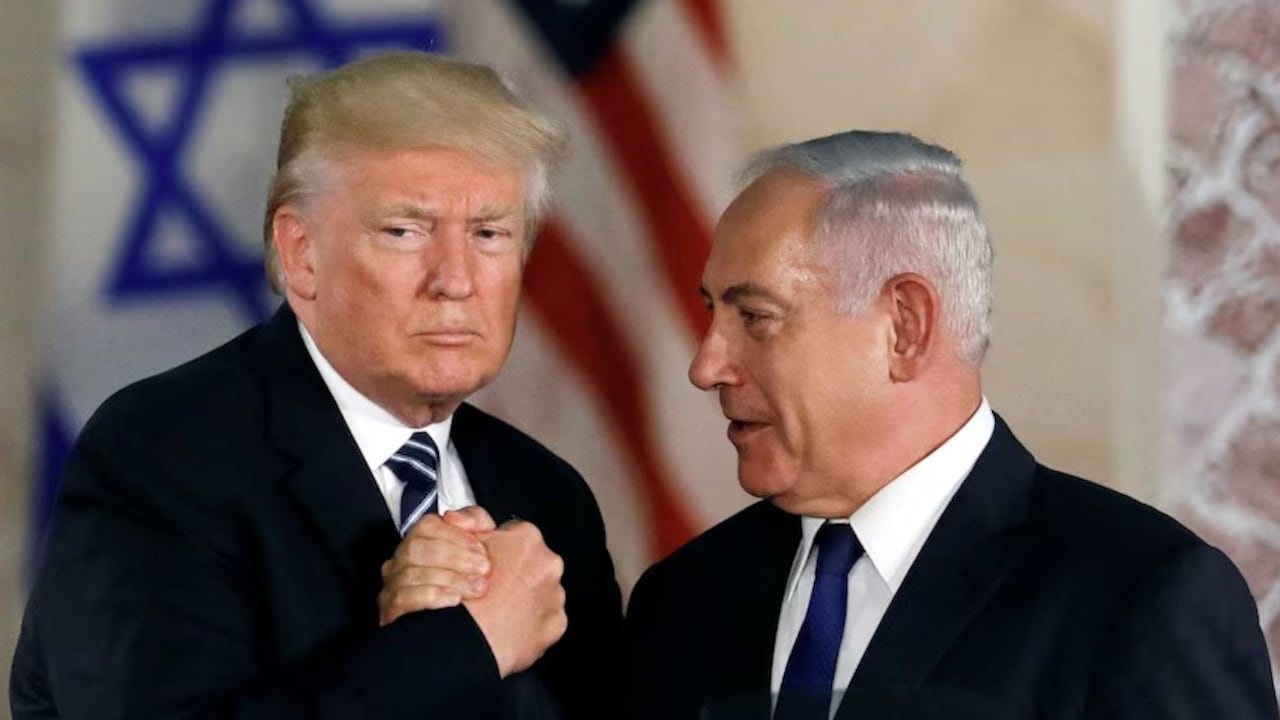
Foreign policy rarely moves in a straight line, especially when domestic politics collide with regional war. Reports surfaced that Israel had finalized plans to launch a massive multi-day bombing campaign against Iran earlier this month, targeting critical civilian infrastructure, electricity grids, and nuclear installations. The operation was set to dwarf the strikes seen in February. It was halted at the eleventh hour not by international diplomacy or a sudden peace breakthrough, but by the White House calendar.
Donald Trump intervened to pause the military escalation, prioritizing the November 3 United States midterm elections over immediate regional strikes. When geopolitical heavyweights clash over timing, the consequences ripple across global markets, oil supply routes, and regional stability.
The Anatomy of the Aborted October Strike
According to reports citing high-level intelligence and diplomatic sources, the Israeli military drafted plans for a devastating weekend assault around October 10. The target list went far beyond traditional military outposts or isolated nuclear laboratories. It included power plants and core civilian infrastructure designed to cripple Iran's domestic grid and ratchet up pressure on the ruling regime.
The ambition behind the plan matched the rhetoric coming out of Jerusalem and Washington. Israeli Prime Minister Benjamin Netanyahu has maintained that neutralizing the existential threat requires active regime change. Yet, domestic American politics intervened. Trump made it clear on social media and behind closed doors that launching a massive Middle East war weeks before a critical national election carried too high a political and economic cost.
Gas prices, inflation, and voter sentiment remain volatile drivers during midterms. Opening a new, unpredictable theater of war right before ballots drop is a risk most political strategists refuse to take.
The Strategic Calculus Behind the Delay
Why does a midterm election in the United States dictate the tempo of Middle East military operations? The answer is straightforward power politics.
When a superpower acts in tandem with an ally, the political fallout lands squarely on the incumbent administration. A sudden spike in oil prices caused by a targeted strike on Iranian energy infrastructure or the Strait of Hormuz—which has faced partial blockades for months—would immediately hammer American consumers at the pump. Voters punishing the party in power for high gas prices is a recurring nightmare for any administration heading into midterms.
US Defense Secretary Pete Hegseth traveled to Israel to meet with Netanyahu and review updated target lists. Those discussions confirmed that while the military option remains firmly on the table, the timeline has shifted. The messaging from both leaders leaves little room for ambiguity. They intend to finish what they started, but the execution window moved past early November.
What Happens After the Midterms
The pause isn't a cancellation. It's a delay.
Diplomatic channels are currently operating under a blunt ultimatum framework. Insiders note that the strategy relies on a simple binary choice for Tehran: agree to a comprehensive deal that addresses regional security and maritime shipping in the Strait of Hormuz, or face military eradication of critical state infrastructure.
Netanyahu made his position unmistakable during a recent rally, declaring that the only way to permanently remove the Iranian threat is to topple the government itself. With security branches and intelligence agencies like the Mossad operating under that direct mandate, the pressure on Tehran won't dissipate once election ballots are counted.
The coming weeks will test whether economic coercion and naval pressure can force a diplomatic capitulation, or if the delayed jets will finally take off once American voters leave the polls.



