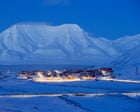
You turn on the kitchen tap expecting a glass of clean, crisp water. You don't expect a chemical cocktail of heavy metals leaching straight from ancient bedrock. Yet that is the harsh reality facing residents in Longyearbyen, a remote Arctic settlement in Svalbard where climate change has officially ruined the municipal water supply.
When people think about the threats of global warming, they usually picture melting ice caps, rising sea levels, or retreating glaciers. They rarely picture drinking water turning toxic. But as temperatures in Svalbard skyrocket at five to seven times the global average—with autumn temperatures jumping by up to four degrees Celsius a decade—permafrost is thawing at an unprecedented rate. This isn't just an abstract environmental crisis for scientists to debate. It's a daily logistical nightmare for 2,600 people forced to haul bottled water from local supermarkets because their taps run dirty with manganese, nickel, and sulphates.
What Is Happening Beneath the Surface
Longyearbyen draws its drinking water from Isdammen, a shallow, dammed lake spanning about two and a half kilometers. For decades, this ice pond served the community well enough. Beneath this water source lies shale bedrock packed with pyrite, commonly known as fool's gold. As long as the ground remained frozen solid year-round, that pyrite stayed locked away safely.
Climate change shattered that status quo. Permafrost consists of ground that stays frozen continuously, save for a thin active layer that thaws briefly during summer. As warming accelerates, that active layer deepens, exposing previously untouched bedrock to air and water for the first time in millennia. For another angle on this event, refer to the latest update from NBC News.
When pyrite encounters oxygen and water, it oxidizes and generates extreme acidity. That acid acts like a chemical solvent, stripping heavy metals straight out of the surrounding rock and washing them directly into local waterways.
The Manganese Spike That Triggered the Ban
The municipal government, known locally as Longyearbyen lokalstyre, first sounded the alarm after discovering that manganese levels in the water supply had spiked to 25 times higher than safety recommendations set by the Norwegian Institute of Public Health.
Manganese poisoning isn't something you brush off. Prolonged exposure causes serious neurological issues, particularly in infants and developing children. While officials noted that the immediate threat wasn't acute poisoning, they had no choice but to issue a total drinking ban.
Emergency measures went into effect immediately. The local municipality installed central tanks of purified water filtered by a nearby brewery, requiring residents to lug empty containers to the supermarket just to stay hydrated. Even after manganese levels began dropping, subsequent tests revealed high concentrations of sulphates and nickel. The ban stayed firmly in place.
Why Other Arctic Communities Should Panic
If you assume this is just an isolated incident on a remote Norwegian archipelago, you're missing the bigger picture. Longyearbyen serves as a terrifying preview for other northern settlements.
Permafrost blankets large portions of the northern hemisphere, including vast expanses of northern Canada, Alaska, and Siberia. Many of these regions sit atop mineral-rich geological formations similar to Svalbard's shale bedrock. As global temperatures continue their relentless climb, the exact same geochemical reaction will threaten freshwater supplies across the circumpolar north.
Local leaders are already scrambling for expensive fixes. Mayor Terje Aunevik has admitted that the town might need an entirely new water mains system, potentially pairing advanced filtration plants at Isdammen with backup desalination facilities. Building and maintaining water infrastructure in sub-zero Arctic conditions is brutally expensive and technically demanding.
In Norway, people have always taken pristine tap water for granted. Realizing that you can no longer trust the fluid coming out of your kitchen sink shatters a foundational sense of security.
Stop assuming infrastructure built for a stable climate can survive a rapidly shifting planet. The thawing north is sending a warning, and ignoring it will cost far more than bottled water.



