Brussels isn't blinking. While Washington shifts gears under Donald Trump and eases up on parts of the Russian energy sector, the European Union is moving in the exact opposite direction. The bloc just finalized its largest sanctions expansion since 2022, slapping nearly 1,600 new individuals and entities onto its blacklist.
This massive push brings the total tally of targeted actors to roughly 4,500. It's a clear signal to Moscow and an unspoken rebuke to the White House's changing diplomatic playbook. If you thought transatlantic unity on sanctions was ironclad, October 2026 is proving you wrong.
The Transatlantic Split Over Russian Diesel
The timing isn't accidental. Friction between the U.S. and Europe intensified after the White House announced a deal to ease war-related restrictions on Russian diesel exports, aiming to tame domestic fuel prices before upcoming political cycles.
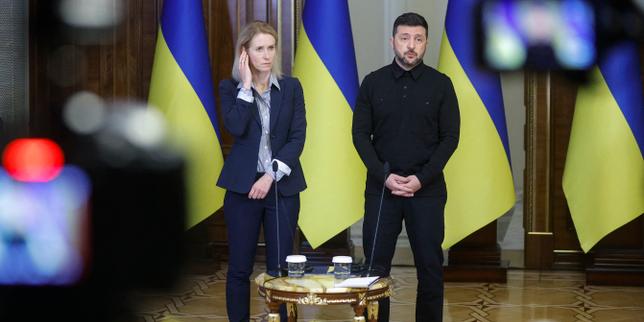
European officials didn't hide their frustration. Kaja Kallas, the EU's foreign policy chief, openly criticized the move, warning that suspending restrictions on Russian fuel directly hands the Kremlin fresh revenue to fuel its ongoing military campaign in Ukraine. Ukrainian leadership echoed those concerns, calling the U.S. pivot a weak concession.
Rather than following Washington's lead toward relaxation, European capitals chose escalation. Brussels drafted its largest sanctions package in years to target the heart of the Russian war machine.
What the New EU Package Actually Targets
This isn't just a symbolic list of minor bureaucrats. The new designations hit critical cogs in Moscow's military-industrial complex.
- Defense supply chains: Entities supplying dual-use technology, microelectronics, and manufacturing equipment are front and center.
- Occupied territories: Roughly 77 regional lawmakers and officials involved in organizing elections within occupied Ukrainian regions face direct asset freezes and travel bans.
- Financial facilitators: Banks and intermediaries helping Moscow bypass existing trade restrictions are getting choked out.
European diplomats meeting in Luxembourg are formalizing these measures, ensuring that asset freezes and visa bans take effect immediately across all twenty-seven member states.
The Growing Cost of Divergence
Splits between allies always create loopholes. When Washington adjusts its enforcement knobs while Europe tightens the screws, clever traders find gaps. Russian shipping networks have long mastered the art of shadow fleets, skirting price caps using flag-swapping and offshore transfers.
When American policy signals leniency on specific commodities like diesel while Europe broadens individual listings, enforcement becomes messy. Border customs agents in eastern member states face a nightmare trying to reconcile divergent allied strategies.
Yet, Brussels calculates that inaction is riskier. European leaders remember the crippling cost of energy dependency from previous winters. They argue that easing pressure now only invites a bolder Kremlin tomorrow.
What Happens Next
The gloves are off in western trade diplomacy. Washington wants to cool domestic inflation through pragmatic compromises, whereas Europe views total economic containment as an existential security requirement.
Expect tougher scrutiny on third-party intermediaries in Central Asia and the Caucasus, where goods often transit before reaching Russian ports. Enforcement will shift from broad political declarations to relentless, tedious auditing of supply chain paperwork. Europe's message to Moscow remains uncompromising, even if its strongest ally just blinked.