Elections have consequences, but pushing unsupported conspiracy theories in federal court now carries a direct six-figure price tag. The United States Supreme Court just made that reality crystal clear.
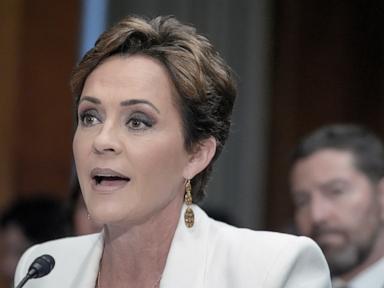
The nation's highest court refused to throw out $122,200 in legal costs and penalties levied against attorneys who pushed to ban electronic voting machines in Arizona. These lawyers, representing prominent local political figures from past election cycles including Kari Lake and Mark Finchem, learned the hard way that the federal judiciary has zero patience for lawsuits untethered from actual evidence.
By declining to hear the appeal from attorney Andrew Parker, the Supreme Court left lower court rulings completely intact. That means the financial penalty stands, sending a strong warning shot to legal teams willing to file speculative election challenges.
The Cost of Speculation in Court
When lawyers file lawsuits, they have professional obligations. They can't just throw wild theories into a legal complaint and hope something sticks. U.S. District Court Judge John Tuchi didn't mince words when he originally handed down the penalties. He pointed out that the legal challenge against Maricopa County’s voting machines relied on vague allegations and speculation rather than hard facts.
Lower court judges found that the push to force a total hand count of ballots wasn't just legally weak—it was politically driven and risked undermining public trust in democratic systems without any valid justification. After losing before Judge Tuchi and subsequently striking out at the 9th Circuit Court of Appeals, the attorneys took their last shot at the Supreme Court. The justices rejected it without comment.
You cannot waste judicial resources on phantom threats without paying for the privilege. That is the clear takeaway from this ruling.
Why This Matters for Future Elections
Every election cycle brings a fresh wave of post-election litigation. Candidates lose races, supporters get upset, and legal teams look for angles to contest the certified results. But this ruling draws a sharp line in the sand between legitimate election contestation and baseless obstruction.
Legitimate challenges require concrete proof of systemic errors, broken statutes, or tangible fraud. Hand counts and machine audits have strict legal frameworks governed by state statutes. When attorneys bypass factual evidence to challenge the very machinery of modern voting based on general distrust, they expose themselves to severe sanctions.
Maricopa County and local taxpayers shouldn't have to foot the bill to defend against meritless legal maneuvers. The courts agree. By forcing the attorneys—rather than their political clients or taxpayers—to cover the six-figure legal bill, the judicial system is shifting the financial risk back where it belongs.
What Happens Next
The refusal of the Supreme Court to intervene means this case is officially closed, but its ripple effects will shape every upcoming election. Attorneys representing candidates across the political spectrum will think twice before attaching their names to speculative complaints.
Sanctions and fee-shifting orders are rare in federal litigation, which makes this decision stand out. Judges are increasingly willing to use financial penalties to deter bad-faith filings that clog dockets and erode confidence in election administration. If you are going to challenge an election in court, you better bring receipts. Otherwise, the bill will come due.


