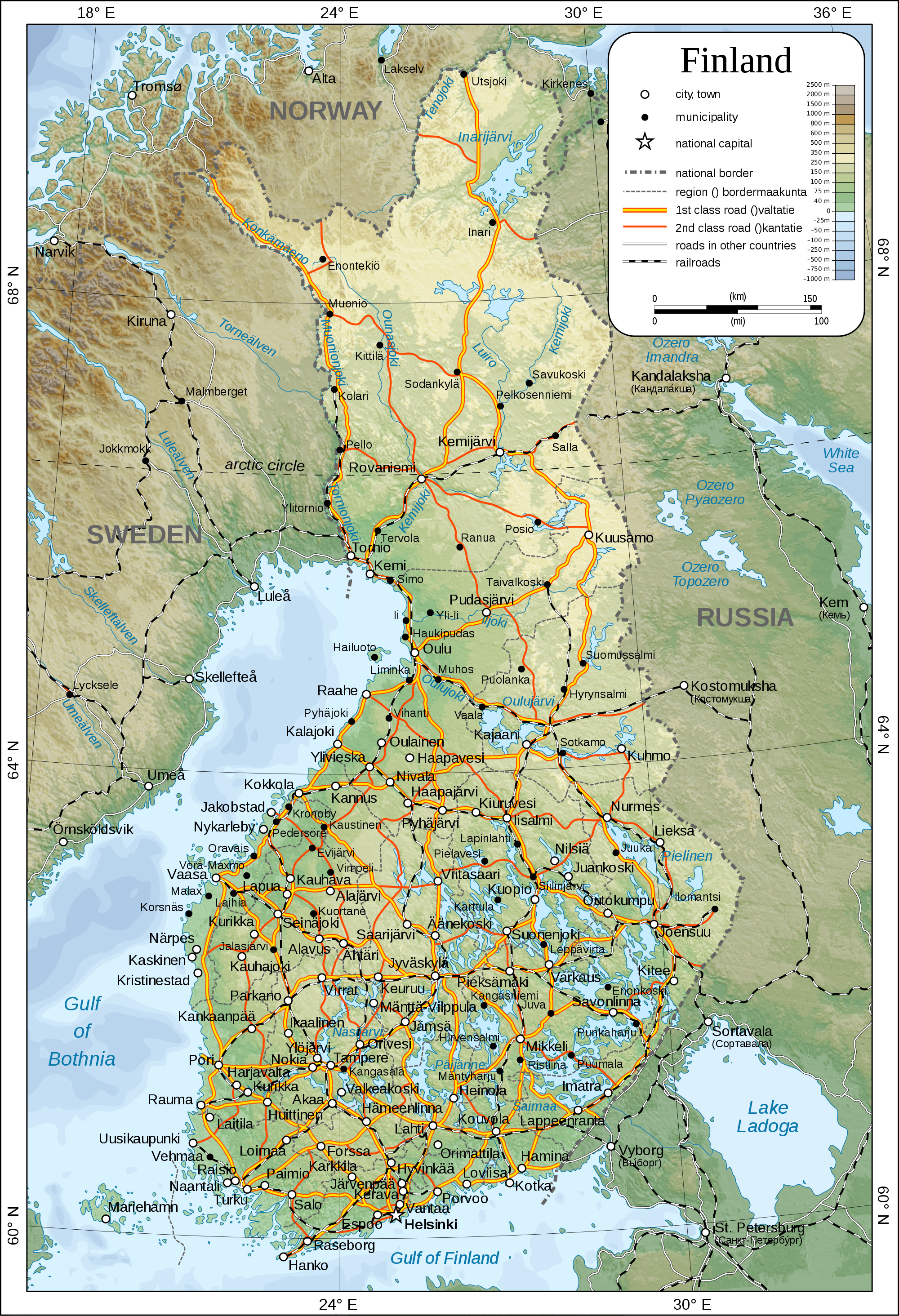
Finland is moving fast to procure one million anti-personnel land mines. If you've been watching Helsinki's defense shifts since 2022, this shouldn't shock you. But the scale of it? That's a clear signal that European security calculations have fundamentally broken away from post-Cold War norms.
The government plans to pump 100 million euros into these munitions. Why? Because the security climate along Europe's eastern flank has deteriorated to a point where humanitarian treaties signed decades ago are being ripped up to make room for hard steel and explosives.
The Real Reason Finland Scrapped the Ottawa Treaty
Back in 2012, Helsinki thought joining the Ottawa Convention made complete sense. The humanitarian logic was simple: get rid of weapons that linger for decades and maim civilians long after a war ends. But treaties only work when everyone plays by the same rulebook.
When Russia invaded Ukraine, the calculus changed overnight. Finland shares an 830-mile border with Moscow. That is a massive operational frontier to defend with traditional infantry and mechanized units alone.
Helsinki didn't hesitate. Last year, Finland officially exited the Ottawa Convention, casting off restrictions alongside regional allies like Estonia, Latvia, Lithuania, and Poland. Colonel Riku Mikkonen of the Army Command has noted that officials are already gathering specifications from suppliers. They want contracts signed by late 2027 and local production lines humming by 2028.
Can Domestic Manufacturers Handle the Load?
Building one million mines isn't just about writing a check. It's an industrial engineering challenge.
Colonel Mikkonen pointed out that roughly half a dozen Finnish firms have the technical capability to manufacture these weapons. Keeping production domestic makes obvious logistical sense. You don't want your supply chain choked off by cross-border bottlenecks if a crisis spikes.
Yet, procurement officers aren't closing doors to foreign contractors just yet. The sheer volume required means commercial flexibility is vital. If local plants can't ramp up fast enough, outside suppliers will fill the gap.
The Broader European Picture
Finland isn't operating in a vacuum. Look at the Baltic states and Poland. They are all watching the same threat monitors. When a neighbor with a history of aggressive expansion maintains a wartime economy, you stop worrying about optics and start stocking concrete defensive infrastructure.
Foreign Minister Elina Valtonen recently pushed the European Union to completely halt tourist visas for Russian nationals, noting that millions crossed European borders last year while Ukrainian towns faced bombardment. Helsinki's stance is blunt: normal diplomatic niceties cannot coexist with an active war of conquest on the continent's doorstep.
From shelter networks to nuclear umbrella discussions and now massive anti-personnel mine stockpiles, Finland is rebuilding a total defense posture. They are betting that deterrence works best when the cost of crossing the border becomes astronomical for any invader.



