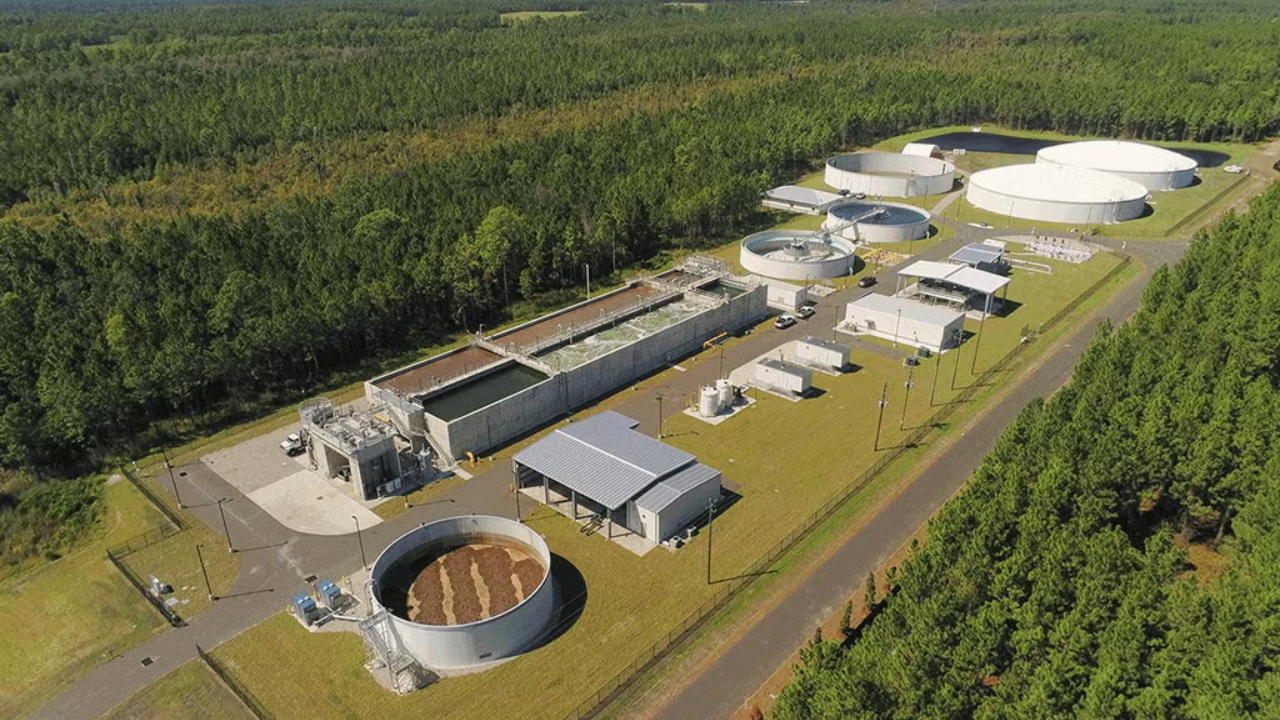
St. Johns County didn't spend nearly 192 million dollars on civic infrastructure just to make headlines. They did it because the Floridan Aquifer is running low, drought orders are dragging on, and the Matanzas River was drowning in nutrient pollution. If you've been watching Northeast Florida's rapid growth while rainfall totals lag months behind historical averages, you already know the old pipes and treatment plants weren't cutting it anymore.
The county just wrapped up its largest capital improvement project in history: the State Road 207 Water Reclamation Facility in Elkton. It’s an enormous engineering bet designed to process 3.25 million gallons of wastewater every single day right out of the gate, with built-in expansion room to double that capacity when local growth demands it.
The Real Crisis Behind the Big Price Tag
Nobody drops 191.8 million dollars on a sewer and reclamation project unless their backs are against the wall. Northeast Florida is locked in a classic pinch between booming residential populations and tightening natural resources.
The St. Johns River Water Management District kept its Phase III Extreme Water Shortage Order active because cumulative rainfall totals sat more than eight inches below the standard 12-month average. When the sky stops cooperating, everyone turns to the underground aquifer. But you can't keep pumping fresh drinking water out of the ground forever to water suburban lawns and golf courses without eventually breaking the ecosystem.
That's where the SR 207 plant changes the math. Alan Flood, Senior Engineer for the St. Johns County Utility Department, pointed out that the facility substitutes a slightly lower quality of treated water for outdoor irrigation. It sounds simple, but keeping reclaimed water separate from potable supplies extends the life of the aquifer significantly.
Stopping the Nutrient Flood Before It Hits the Matanzas River
Water reclamation isn't just about saving drinking water. It’s about keeping raw sewage and runoff from choking local waterways.
Under Florida Senate Bill 64, the state is cracking down on utilities discharging treated wastewater into surface waters where it doesn't provide a direct, useful benefit. Local environmental data shows this new facility will intercept over one million pounds of nutrient pollution—specifically nitrogen and phosphorus—over the next two decades.
If you leave those nutrients unchecked, they feed massive algae blooms that starve aquatic life of oxygen and turn pristine estuaries into murky soups. By routing wastewater through advanced treatment and sending it back out through dedicated reuse lines, the county cuts off the pollution source at the knees.
The Engineering Muscle Required to Pull It Off
Building a 191.8 million dollar plant isn't just dropping a concrete box in Elkton and turning on a valve. The logistics required a massive coordinated effort.
St. Johns County partnered with international engineering firm Jacobs using a progressive design-build contract. That delivery method lets construction and engineering happen concurrently, shaving critical months off a timeline that the region's rapid development desperately needed.
Just getting the plant online meant laying about 15 miles of heavy-duty transmission pipes for wastewater and reclaimed water. Crews also had to construct a brand-new main wastewater pumping station alongside a separate reclaimed water booster pumping station to keep the system pressurized across the entire distribution network.
How the Bill Gets Paid Without Breaking Local Budgets
Big municipal projects usually trigger knee-jerk fears about skyrocketing property taxes. St. Johns County avoided that route by using an enterprise fund.
Instead of leaning on general property taxes, the plant’s construction and ongoing operations are funded through utility service charges and connection fees. County records show residential utility bills in the area sit roughly 10 percent below the regional average, proving that massive infrastructure upgrades don't automatically mean punishing monthly bills for homeowners.
If your local utility grid relies on aging infrastructure while population numbers surge, look closely at how St. Johns County structured this deal. Protecting regional watersheds and conserving drinking reserves takes more than voluntary conservation campaigns; it requires massive, upfront capital investments built to scale for decades.


-1667889754284.jpg)
