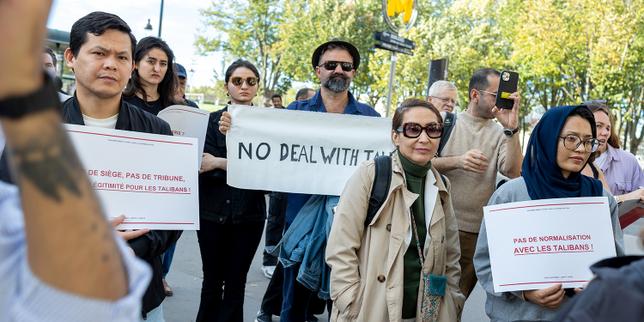
When governments start talking behind closed doors, vulnerable people pay the price. Paris recently confirmed it opened a technical communication channel with the Taliban regime, aiming straight at one goal: facilitating the deportation of Afghan nationals residing in France without legal status or flagged as security risks. For the tens of thousands of Afghan exiles who fled Kabul after the 2021 collapse, this diplomatic pivot feels like a profound betrayal.
You can sense the panic echoing through exile communities across European capitals right now. It is not just about immigration policy paperwork or standard border controls. It is about sending human beings back into the direct custody of a regime that treats dissent as a capital offense.
The Shift in French Policy and Security Realities
For years, European Union capitals maintained a strict cordon sanitaire against the Taliban. Official diplomatic recognition remained off the table, and forced deportations to Afghanistan were frozen due to obvious humanitarian dangers. But political pressures shift quickly. Across Europe—including nations like Germany, Belgium, and Sweden—governments face mounting domestic demands to harden immigration enforcement and clear out individuals flagged for criminal offenses or security concerns.
France's interior ministry insists these discussions are strictly technical. Officials claim the dialogue is designed exclusively to remove individuals who threaten public safety or lack legal residency status. A ministry spokesperson made it clear to Radio France Internationale that opening this line of communication does not equal diplomatic recognition of the de facto rulers in Kabul.
Yet, for an Afghan exile living in France, those diplomatic nuances offer zero comfort. When a European state opens a direct operational pipeline with the Taliban, the practical reality changes overnight. The wall protecting refugees from forced return starts to crumble.
What Afghan Exiles Are Actually Facing
Talk to community leaders and refugee advocates, and you will hear a consistent, terrifying theme. The fear isn't abstract. Human rights organizations like Human Rights Watch have repeatedly documented arbitrary arrests, torture, and enforced disappearances carried out by Taliban authorities against anyone perceived as linked to the former Western-backed republic, foreign NGOs, or security services.
Even if Paris focuses initial deportations on individuals convicted of serious crimes or flagged as radicalized risks, the mechanics of sending anyone back to Kabul require cooperating directly with the regime's security apparatus. Exiles ask a blunt question: how can any European government trust assurances from a regime that systematically strips women of basic education, detains female protesters, and runs prisons infamous for abuse?
International bodies continue to sound alarms. The United Nations Assistance Mission in Afghanistan (UNAMA) documented dozens of arbitrary detentions, beatings, and severe restrictions targeting women and civil society members in recent months. Handing deportees back into this environment crosses a heavy moral and legal line.
The Broader European Migration Pivot
France is far from acting alone. Roughly twenty EU member states are exploring ways to restart returns to Afghanistan. Germany set a precedent by resuming deportations of Afghan nationals convicted of crimes, signaling a continent-wide shift in how leaders handle failed asylum seekers from high-risk countries.
Domestic politics in Europe are driving hard toward border control and security crackdowns. Politicians want to show voters they can deport foreign criminals who cannot be easily integrated or who violate laws. But merging that domestic political imperative with negotiations involving the Taliban creates a dangerous diplomatic precedent.
When democratic nations normalize administrative contact with oppressive authoritarian regimes for expediency, the universal right to asylum takes a massive hit.
Where Things Stand Now
The diplomatic channel is open, and technical talks continue behind closed doors. For French policymakers, the objective is managing internal security and enforcing deportation orders that have piled up for years. For Afghan exiles, the horizon has darkened considerably.
Refugee defense organizations are mobilizing legal challenges, urging courts to block removals that violate the principle of non-refoulement—the foundational international law prohibiting countries from returning asylum seekers to a country where they face torture, cruel treatment, or threats to their lives.
The coming months will test whether European human rights commitments can withstand mounting populist pressure for expedited deportations. Until then, Afghan communities across France live with the terrifying reality that the doors they thought were safely locked against their former persecutors might soon swing open.



