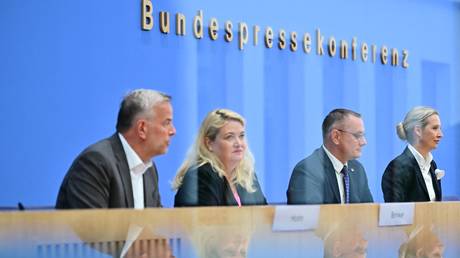
Tens of thousands of teenagers don't usually shut down the heart of Paris for fun. But when you have thousands of kids scaling the monument in Bastille Square, waving flags, and chanting slogans about their education, you know something is fundamentally broken. Across France, high school students have spent over a week blockading school gates, clashing with riot police, and making it clear they won't accept empty promises from politicians.
The core grievance isn't complicated. Walk into a public lycée in France right now, and you'll likely find empty desks where a math or history teacher should be. Chronically absent instructors, crumbling classrooms that turn into ovens during heatwaves, and overloaded schedules have pushed teenagers to the brink. It’s a systemic rot that parents and teachers have complained about for years, but it took teenagers taking to the streets to force the government's hand.
The Boiling Point in French Classrooms
Look past the tear gas and burning trash cans, and you find a public education system struggling to stay afloat. A 15-year-old student named Jeanne put it bluntly during a rally in Paris: everyone deserves the same level of education, but the reality on the ground looks entirely different depending on your zip code.
The numbers tell an interesting story. France actually spends roughly 24 percent more per student on upper secondary education than the OECD average. Yet, that money isn't stopping schools from crumbling. PISA scores—the international benchmarks that measure 15-year-old student performance—hit an all-time low for France recently, marking the worst drop since rankings began in 2000. When kids sit in dilapidated buildings with missing teachers month after month, those numbers start to make total sense.
Government ministers have scrambled to put out the fire. Prime Minister Sébastien Lecornu promised an emergency plan, while Education Minister Edouard Geffray scrambled to announce concrete measures for teacher replacements. But teenagers aren't buying it. When you've spent your entire secondary education dealing with duct-taped infrastructure and staff shortages, a vague promise of a fix by the end of October sounds like standard political deflection.
When Protests Turn Volatile
The demonstrations started peacefully, with kids holding witty signs like "Reason for absence: Too busy fighting for our future." But tensions escalated quickly. Riot squads deployed tear gas, batons, and blast balls to disperse crowds, leading to chaotic scenes outside school gates.
The stakes skyrocketed when a 15-year-old protestor lost a hand after police fired a stun grenade. That horrific incident forced the government to suspend the use of those specific weapons, but it also poured gasoline on an already volatile movement. With more than 6,500 people arrested—mostly minors—and hundreds of students and police injured, the optics for the current administration are disastrous.
Critics point out that this is happening just months before the 2027 presidential election. President Emmanuel Macron’s centrist government is facing massive political pressure, and far-right figures like Marine Le Pen are watching closely from the sidelines. Education is tied directly to the political survival of the ruling party, and mishandling teenagers demanding basic human dignity in schools could cost them dearly at the ballot box.
What Happens Next
The government thinks a budget boost of 1.4% to €90.9 billion for education in the 2027 draft budget will calm the waters. But teenagers on the ground aren't looking at spreadsheets. They want teachers in classrooms, functional heating and cooling, and an end to police crackdowns on youthful dissent.
Until real structural reforms materialize, don't expect these students to pack up their banners and go home quietly. They've realized that the future they are inheriting is being shaped by classrooms that don't work, and they're refusing to stay silent about it.