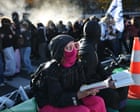
Politicians love a quick fix. They issue a press release, hand out a vague concession, and expect everyone to pack up and go home. Right now, that playbook is blowing up in Paris. French student protests are raging across high schools and universities because young people smell empty rhetoric a mile away.
Ministers thought a few polite pledges would quiet the storm. They were wrong. Students aren't backing down, and the standoff points to a much deeper frustration with how the government handles education reform, funding, and the future of youth employment.
The Reality Behind the Classroom Barricades
Walk past a Parisian high school today and you won't see quiet hallways. You'll see blocked gates, banners hanging from windows, and crowds of teenagers who refuse to accept half-measures. These aren't random outbursts. They're calculated disruptions born from years of feeling ignored by policymakers who sit far away from actual classrooms.
When the government announced minor tweaks to education policy last week, officials probably thought they solved the crisis. Instead, they poured gasoline on a fire. Students saw right through the official statements. The core issues—resource shortages, crumbling facilities, and uncertainty over exam structures—remained completely untouched.
Youth activism in France has a long, stubborn history. When young people take to the streets here, they don't fold easily. They study the proposals, pick apart the loopholes, and stay put until something actually changes.
Why Government Pledges Keep Falling Flat
Trust is entirely broken. Ministers step up to microphones, offer grand visions of reform, and promise that help is on the way. But students live the reality of overcrowded classrooms and overworked teachers every single day.
Words don't buy textbooks. Speeches don't fix broken heating systems in winter. When officials offer future committees instead of immediate fixes, they misunderstand the urgency of the moment.
Here is what political leaders keep missing:
- Vague promises lack timelines, making them impossible to hold accountable.
- Bureaucratic committees delay action for months while current students suffer.
- Ignoring student union demands only radicalizes moderate participants.
If you want to understand why these demonstrations persist, look at the disconnect between executive offices and everyday school life. Ministers operate on political election cycles. Students operate on the timeline of their own education, which they feel is actively being squandered.
The Broader Economic Anxiety Driving the Youth
This goes way beyond school rules. France faces intense economic anxiety, and students know the job market waiting for them is rough. When education systems feel shaky, the future feels terrifying.
Young people are demanding structural security. They want assurance that public education remains a viable ladder for everyone, not just an elite few. Every time a reform passes without student input, that ladder feels a little more broken.
Protests will continue spreading unless leaders change their entire approach. Concessions require real money, legal guarantees, and actual policy reversals. Until the state offers concrete commitments instead of PR spin, the gates will stay blocked.
Keep your eyes on the regional assemblies and union meetings happening tonight. The momentum isn't slowing down, and the next move belongs to a government that is running out of time.