Getting Danish citizenship is a bureaucratic gauntlet that breaks people down. If you think ticking every administrative box guarantees a Danish passport, you are dead wrong. Thousands of applicants who followed every single rule are stuck in limbo, watching their lives freeze while politicians debate new hurdles.
Take Ahmad Albokie. He lives in a neat house in Odense, working hard as a refrigeration technician. He applied for naturalisation alongside his three children, submitting his paperwork years ago. He has a permanent residence permit, a clean record, and fluent Danish. He passed the society exams and signed the mandatory loyalty declaration. Yet, his file sits in a massive backlog. His oldest daughter Jouli was fourteen when they started the process. She is now seventeen. If she turns eighteen before the government finally grants the paperwork, she has to start the entire torturous journey from scratch on her own.
The Unique Trap of Danish Naturalisation
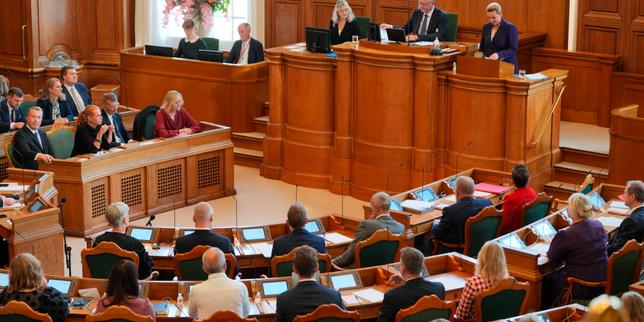
Most countries rely on administrative bodies or courts to handle citizenship. Not Denmark. Here, naturalisation requires a literal act of Parliament. Even after passing every background check and language test, a candidate's name must make it into a draft law voted on by lawmakers.
This creates a brutal bottleneck. Parliament usually votes on these bills twice a year. But recent political shifts, delayed parliamentary schedules, and political gridlock have completely frozen the pipeline. Since mid-2025, when a major citizenship vote was postponed, thousands of applicants have been left hanging without any reliable timeline.
Sandra Frederiksen, a British citizen living in the country, puts it bluntly. She feels like a second-class resident. She did everything right, paid her fees, integrated completely, and now faces an opaque wall of silence.
Why the System Keeps Tightening
The political climate in Copenhagen is hostile to immigration reform that eases restrictions. The current Social Democratic government views citizenship as a rare privilege rather than a right. The Ministry of Immigration openly states that the passport should go only to those whose values align perfectly with Danish society.
Lawmakers are currently debating even stricter filters. Proposals include screening candidates for specific ideological values, ensuring they reject religious or cultural practices deemed incompatible with Danish norms, like refusing to shake hands. Critics point out that tying citizenship to parliamentary approval turns individual applicants into political footballs. Opposition politicians warn that opponents of immigration love to cherry-pick isolated criminal cases to paint all applicants with a broad brush.
What This Means for Your Future
If you are eyeing a life in Denmark, you need to understand the reality on the ground. The timeline is unpredictable. Years of legal residency, flawless tax records, and high-level language scores do not guarantee speed.
Keep your expectations grounded. Document every single interaction with local authorities. If you have children approaching adulthood, factor the delays into their timelines so they do not age out of family applications. Stay informed on legislative changes because the goalposts move frequently.


