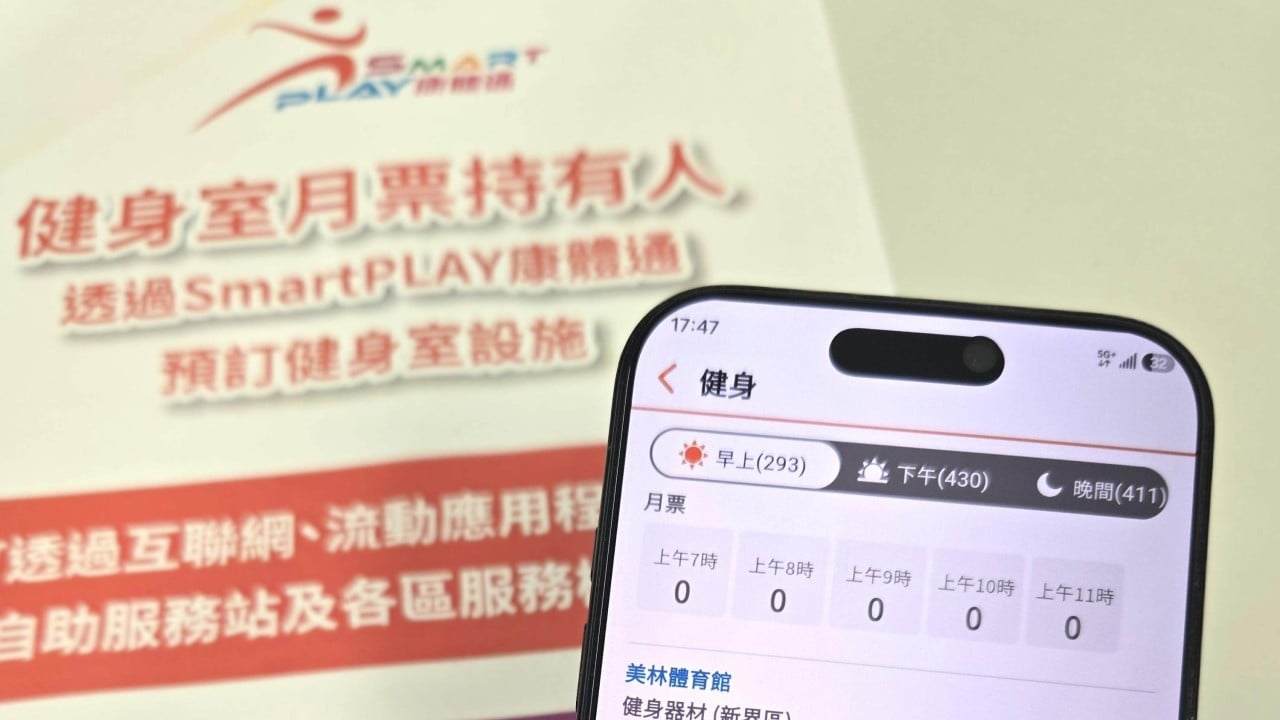
If you have ever tried to book an introductory fitness course through Hong Kong’s Leisure and Cultural Services Department, you already know the frustration. Slots fill up instantly. Demand routinely exceeds available capacity by a staggering 14 times. People want to work out, but the archaic booking system acts like an impenetrable wall.
The public gym crisis has finally hit a breaking point. Following a recent announcement by The Ombudsman launching a direct investigation into the management of these taxpayer-funded facilities, lawmakers and fitness industry experts are stepping up with aggressive proposals. The core issue isn't just a lack of space—it is a broken administrative model that rewards ghost bookings while locking eager citizens out.
The 14-Times Oversubscription Problem
Let us look at the numbers. Public indoor fitness rooms are heavily subsidized, making them vital for residents who cannot afford exorbitant commercial memberships. Yet, getting cleared to use them requires attending a mandatory introductory fitness briefing run by the LCSD.
Because these briefings act as the sole gateway to the equipment, demand is astronomical. Classes are oversubscribed by up to 14 times. Thousands of residents sit glued to their screens every month, only to watch slots vanish in seconds. As discussed in detailed reports by Al Jazeera, the effects are widespread.
Worse yet, many people who successfully secure a spot simply fail to show up. Because there are currently no penalties for missing a booked session, ghost hirers block the system. Meanwhile, the actual physical workout rooms sit half-empty even when the booking portal claims 100 percent capacity. It is an absurd waste of scarce public resources.
Shifting Briefings Online and Punishing No-Shows
Industry insiders and lawmakers have floated radical reforms to drag Hong Kong's public fitness infrastructure into the current decade.
Lawmaker Dennis Leung Tsz-wing has proposed replacing monthly passes with multi-entry packages and placing strict daily caps on bookings. More importantly, Leung argues that authorities must crack down on serial no-shows by suspending booking privileges for repeat offenders. To tackle the massive backlog of people waiting for safety credentials, he suggests deploying the district's 87 fitness coaches to scale up introductory classes.
On the digital front, Gordon Yau Yick-chung of the Hong Kong Fitness Guide argues that mandatory in-person safety briefings are completely outdated. He recommends shifting these orientation courses online through video tutorials followed by short quizzes. If drivers can study theory online, gym-goers should be able to learn equipment safety without clogging physical venues.
Yau also suggests introducing financial deterrents for ghost bookings, such as bumping monthly fees from HK$180 to HK$200 or higher for users who miss multiple sessions without canceling. Another sensible suggestion involves recognizing recognized commercial and international fitness qualifications to fast-track experienced users, clearing the bottleneck for everyone else.
What Needs to Happen Next
The Ombudsman’s investigation means the government can no longer sweep this under the rug. Public fitness infrastructure should encourage health, not bureaucratic headaches.
Fixing the system requires three immediate policy shifts:
- Digitize the gatekeeping: Move introductory safety briefings entirely online with video modules and digital verification.
- Enforce strict penalties: Suspend booking rights or impose fee hikes for users who repeatedly waste slots without canceling.
- Streamline qualifications: Allow certified professionals or holders of recognized commercial fitness credentials to bypass redundant entry hurdles.
Public assets belong to the public. It is time the booking system treated them that way.



