Diplomacy moves at a glacial pace while eastern Congo bleeds. Another high-stakes African Union delegation touched down in Rwanda's capital, hoping to broker an end to a relentless cycle of violence that continues to tear through the region. But handshakes in plush conference rooms mean nothing to families running for their lives.
Former African leaders including Uhuru Kenyatta, Sahle-Work Zewde, and Mokgweetsi Masisi arrived in Kigali to push for the implementation of the Washington Peace Agreement. They met with senior officials, aiming to jumpstart stalled security arrangements, disarmament programs, and regional economic cooperation. Yet, gunfire refuses to stop. The stark disconnect between diplomatic communiqués and battlefield realities remains the defining tragedy of the crisis.
What is Actually Driving the Conflict
To understand why summits keep stalling, you have to look past the official press releases. The structural grievances run deep. Kinshasa routinely accuses Kigali of backing the AFC and M23 armed groups operating across North Kivu and South Kivu. Rwanda vehemently denies the charge. Meanwhile, Kigali points an accusing finger back at the Congolese authorities, arguing they arm and harbor the Democratic Forces for the Liberation of Rwanda, an armed faction stemming from remnants linked to the 1994 genocide.
This mutual distrust creates a toxic stalemate. Every time mediators try to bridge the gap, competing security imperatives blow up the negotiations.
The Human Toll on the Ground
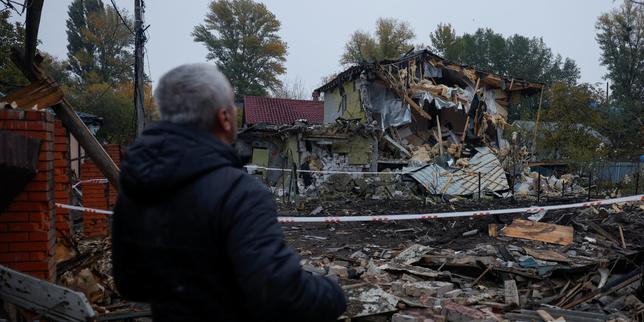
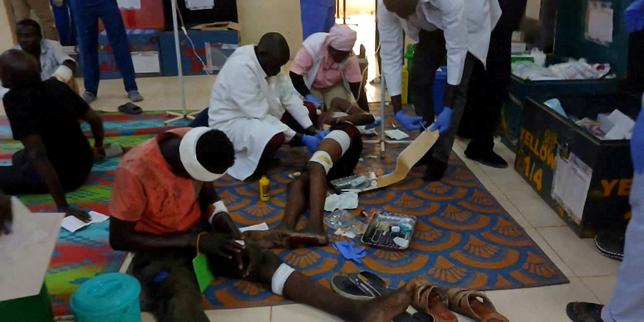
While diplomats debate security architecture, civilians pay the ultimate price. Millions remain displaced across the eastern provinces. Safe humanitarian access is constantly choked by active frontlines. Reports of sexual violence and grave human rights abuses pile up daily.
People aren't waiting for a signed paper to save them. They are building makeshift shelters along roadsides, hoping aid trucks can slip through before the next skirmish breaks out.
Can Regional Mediation Break the Deadlock
The African Union panel is moving forward with a multi-stop itinerary, shifting from Kigali to consultations in Kinshasa. Bringing heavy-hitting former presidents to the table brings seasoned political weight, but regional frameworks have a history of empty promises.
Past ceasefires have shattered almost as quickly as they were announced. Armed groups fracture, splinter, and ignore directives issued hundreds of miles away. Without strict, verifiable enforcement mechanisms tied to actual consequences for leadership on all sides, diplomatic missions risk turning into expensive photo opportunities.
The real test won't happen in a conference hall. It will happen when fighters actually put down their rifles and allow refugees to return home safely. Until then, another round of talks remains just another headline.