You trust an elevator with your life every single day without blinking an eye. You step into a tiny metal box, press a button, and rely completely on hidden machinery and unseen compliance certificates to keep you from plunging into a shaft. That blind trust just took a massive hit in Hong Kong.
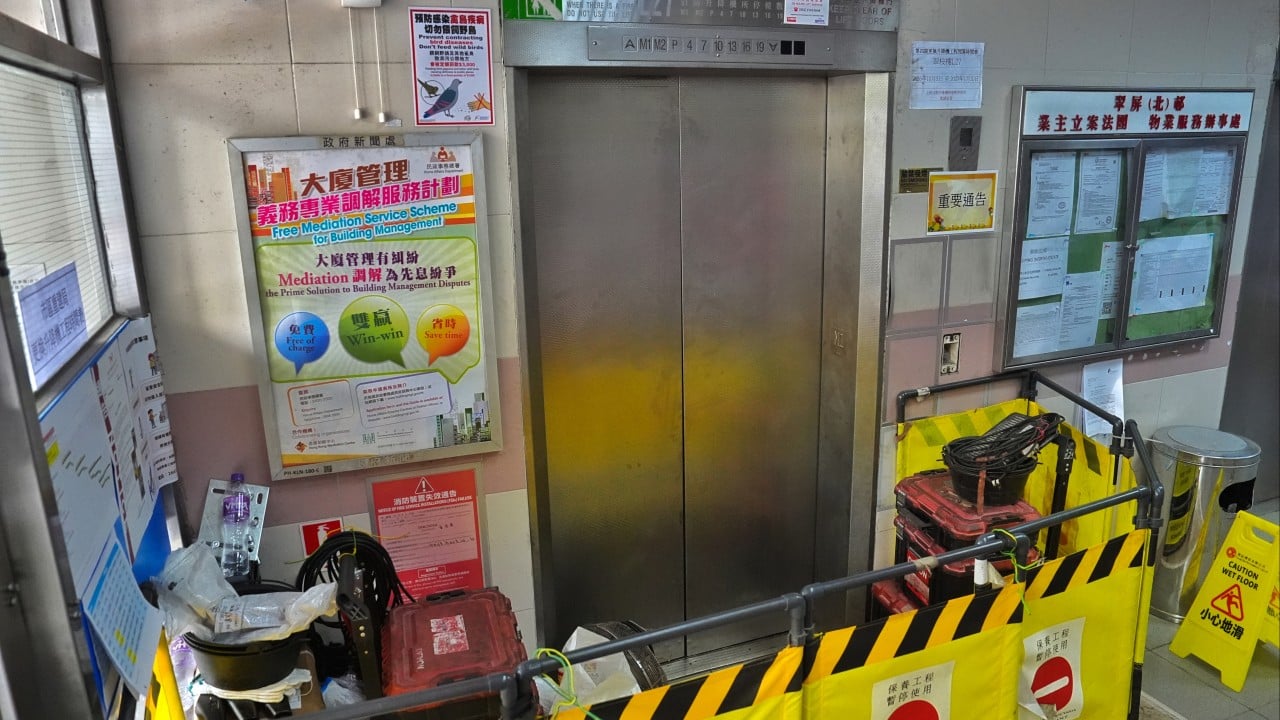
A sprawling safety scandal involving Taizoom Elevator Company has exposed glaring holes in how vertical transportation is monitored, certified, and regulated across the city. When surprise inspections at public housing estates like Pok Hong Estate in Sha Tin and Tsui Ping North Estate in Kwun Tong revealed that critical fire-resistant door frame components were completely missing—while completion certificates were falsely signed off—it sent shockwaves through the industry.
Police arrested three individuals, including a 79-year-old contractor director and two registered engineers aged 82 and 63, in connection with falsified safety declarations covering dozens of high-rise lifts. This mess isn't just about missing hardware. It points to systemic failures in professional accountability, subcontracting practices, and regulatory oversight that demand a radical rethink.
The Reality Behind the Regulatory Blind Spots
If you look at how lift upgrades are managed in high-density urban environments, the cracks in the system become obvious. Subcontracting chains get long and messy. Workers on the ground often lack clear communication with project managers, and quality control becomes an afterthought when deadlines and profit margins dictate operations.
In the Taizoom case, the missing fire door frame components were hidden deep inside the inner door assemblies. They were practically impossible for a casual observer or building resident to spot without climbing directly onto the top of a lift car. That hidden nature makes professional oversight vital. But when the professionals responsible for signing off on safety cut corners or turn a blind eye, the entire safety net collapses.
Industry veterans point out that private property owners face immense economic pressure to keep quiet. Publicizing a major lift defect can tank property values overnight. That perverse incentive allows substandard work to slip through the cracks until a whistleblower or a surprise government raid blows the lid off the operation.
Why Current Engineer Accreditation Falls Short
Right now, critics and industry experts are demanding a complete overhaul of how lift engineers are registered and monitored. The current system relies too heavily on legacy qualifications without demanding rigorous, continuous vetting of active practitioners.
Consider what a real accountability framework should look like. Experts are pushing for mandatory five-year license renewals tied directly to four strict pillars:
- Up-to-date academic and technical qualifications
- Ongoing professional training hours
- Demonstrated, verifiable work experience
- Strict professional conduct records without disciplinary black marks
When you have registered engineers well past retirement age handling complex modernization projects without stringent oversight, mishaps happen. We saw a similar warning sign earlier in the year when another engineer was convicted over improperly issued safety certificates at Queen Mary Hospital. These aren't isolated anomalies. They are symptoms of an aging, overstretched workforce operating within a framework that lacks teeth.
Fixing Procurement and Closing Loopholes
Plugging these regulatory gaps requires changing how contracts are awarded and monitored across both public and private sectors. Housing Authority members and district representatives have rightly called for interdepartmental early warning mechanisms. When multiple agencies share procurement data and risk assessments in real time, shady contractors can't simply hop from one estate project to another.
The Electrical and Mechanical Services Department has stepped up inspections across other registered contractors, but random checks alone won't solve the problem. Penalties need to bite harder. If a contractor falsifies safety declarations affecting dozens of high-rise lifts, financial wrist-slaps or light community service sentences won't deter bad actors. We need criminal liability enforced rigorously against corporate directors who prioritize speed over human lives.
Property owners also need clearer legal backing to pause contracts and fire non-compliant vendors without getting bogged down in endless litigation. When the Housing Authority advised the Incorporated Owners of Fu Heng Estate to suspend awarding a pending lift replacement contract, it set a smart precedent. Caution beats crisis management every single time.
Fixing urban vertical transport isn't about adding more paperwork for honest technicians. It's about stripping away the complacency that lets corners get cut in the shadows. Stricter licensing renewals, transparent contractor blacklists, and independent verification teams will cost money upfront, but the alternative is unthinkable.
Hold the people holding the pen accountable. Stop letting paper compliance mask physical danger.



