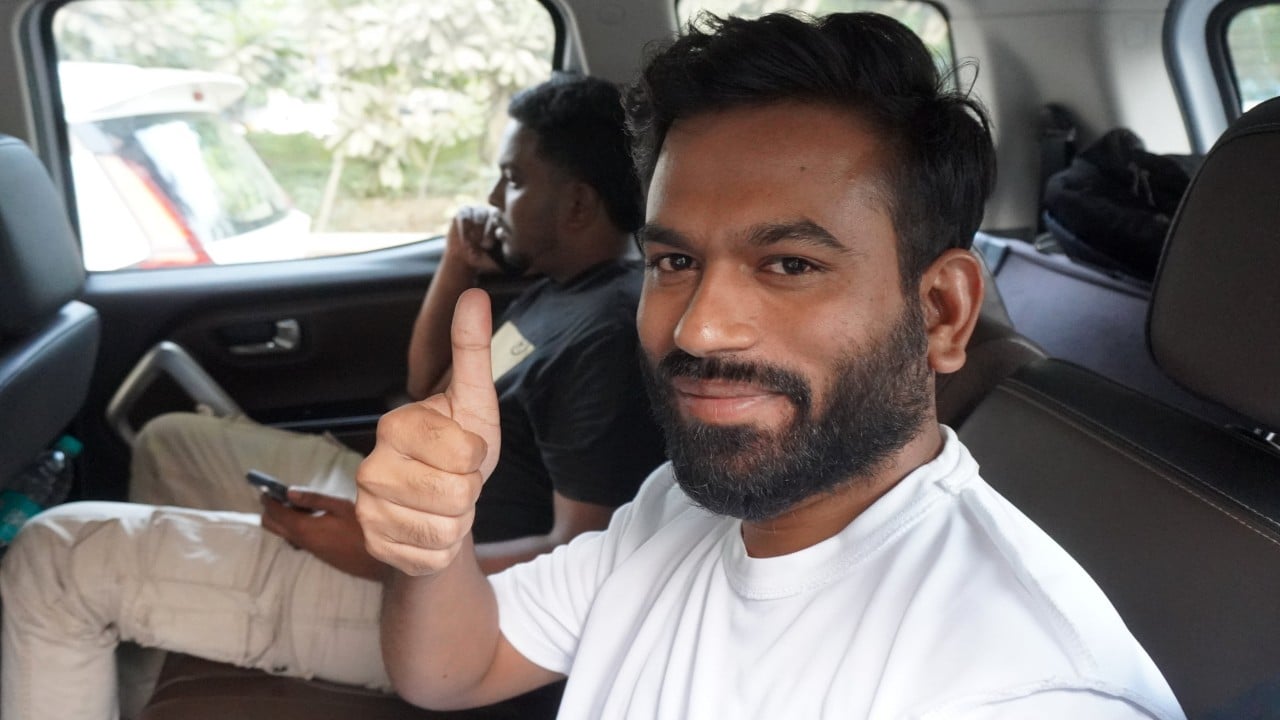
You can squash a bug, but you cannot kill a movement. That is the message coming out of New Delhi right now, where Abhijeet Dipke, founder of the unconventional youth-led Cockroach Janata Party, just walked out of detention. Dipke’s release follows a high-stakes police crackdown that has drawn global attention to India’s escalating political friction over voter rolls and civil liberties.
If you have been following South Asian politics, the name of this party alone stops you in your tracks. But the symbolism behind the "Cockroach" moniker is dead serious. Members adopted the name to signify resilience, survival against all odds, and an ability to multiply and persist no matter how hard authorities try to exterminate dissent. That philosophy was tested when Dipke and other youth leaders were hauled into police custody amid a wave of demonstrations targeting the country's election oversight body.
The Spark Behind the Crackdown
The core issue driving these protests is massive anger over a controversial revision of voter lists. Critics and opposition groups point out that over 130 million voters were deleted during the special intensive revision. Demonstrators argue this sweeping purge unfairly targets marginalized communities and tilts the playing field toward Prime Minister Narendra Modi’s ruling Bharatiya Janata Party.
The Election Commission has pushed back hard against these allegations. Officials maintain that the system is clean and that anyone incorrectly removed from the rolls still has pathways to re-enrol. Meanwhile, Modi’s party counters that political rivals are manufacturing false crises to undermine democratic institutions and cast doubt on legitimate electoral oversight.
Yet the street-level reality tells a different story of tension and police cordons. Days before Dipke's release, authorities moved swiftly to shut down potential flashpoints. Key protest hubs like Jantar Mantar in central Delhi were declared entirely off-limits, and prominent leaders were scooped up by police before they could even reach the rally grounds. Ashutosh Ranka and Saurav Das, two senior CJP figures, were arrested after entering the restricted zone and remain locked up, proving that the state’s clampdown is far from over.
Why the Youth Movement Is Refusing to Back Down
Dipke’s release on Saturday afternoon did not happen in a vacuum. Backed by his legal team—led by CJP affairs chief Ratna Singh—and a swelling tide of public pressure, a local court granted bail, allowing the youth leader to wave to supporters and flash a thumbs-up to press cameras as he was driven away. Student activist Neha Bora, another prominent face of the protests who was detained alongside supporters on Friday, was also freed.
Bora did not mince words upon her release, publicly calling for the resignation of Chief Election Commissioner Gyanesh Kumar and demanding an immediate halt to the voter roll revisions so ordinary citizens can recover their voting rights without harassment.
This type of direct confrontation is rare in an era where political dissent faces intense scrutiny. Rights organizations have repeatedly warned that democratic freedoms in India have steadily eroded over the past decade, pointing to mounting pressure on independent journalists, civil society networks, and opposition voices. The government consistently rejects these claims, but images of youth activists clashing with security forces in the capital paint a complex picture of modern Indian democracy.
What Happens Next on the Streets of Delhi
Releasing Dipke does not solve the underlying crisis. It merely shifts the battleground back to the streets and courtrooms. The Cockroach Janata Party has built its entire identity on grassroots mobilization, using social media, street theater, and sheer stubbornness to outmaneuver traditional political machinery.
When a government detains political organizers, it usually hopes to starve momentum of its leadership. In this case, the strategy appears to have backfired, turning routine bureaucratic disputes into a viral symbol of resistance. As long as millions of voters feel disenfranchised, leaders like Dipke will find a ready audience. Expect the protests to adapt, grow, and continue testing the limits of police cordons across the capital.



