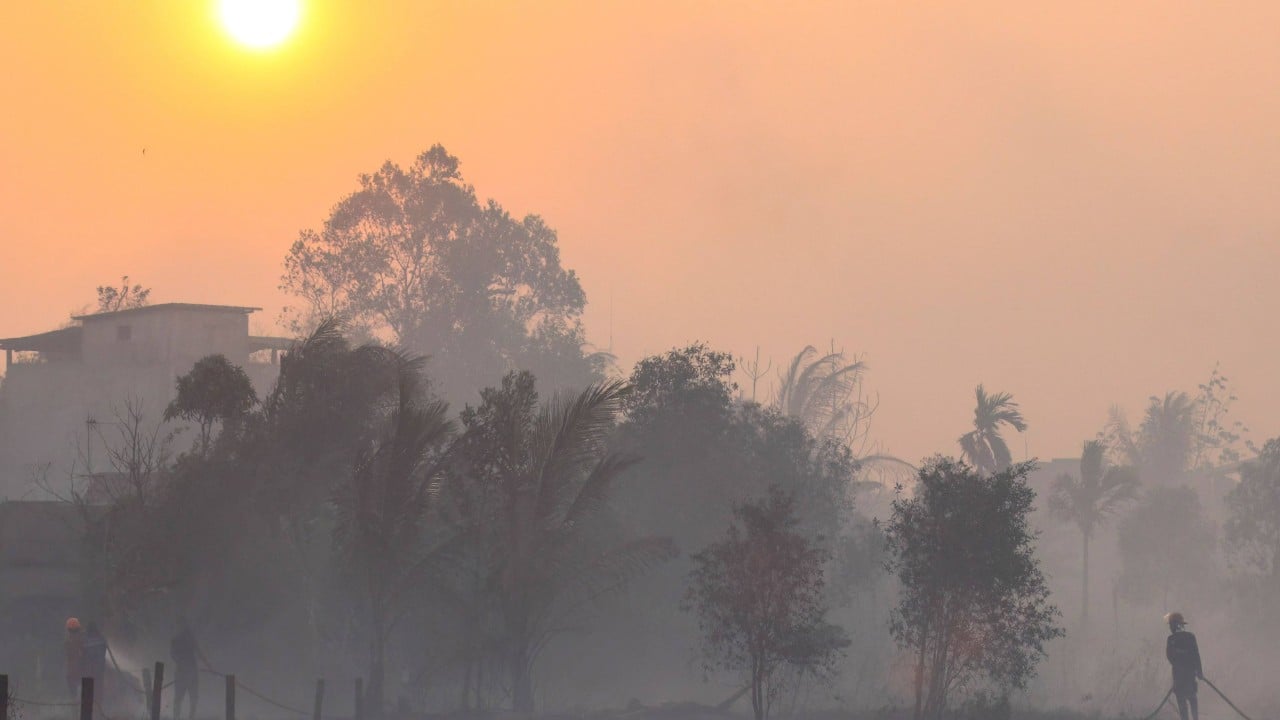
Indonesian President Prabowo Subianto isn't hiding his frustration. During a cabinet meeting in Jakarta, he drew a hard line against regional neighbors complaining about toxic cross-border smoke, declaring that his nation is tired of being constantly insulted over the crisis. Nearly two million hectares have burned since January, sending acrid smog across Malaysia, Singapore, and Timor-Leste. Schools have closed, respiratory illnesses have spiked, and diplomatic nerves are completely frayed.
For years, the annual haze cycle has sparked quiet diplomatic friction across the Association of Southeast Asian Nations. But this season's fires hit differently, driven by a severe drought fueled by El Niño and aggressive slash-and-burn land clearance. While Singapore has threatened to prosecute corporations linked to the pollution and Malaysia has pressed for faster action, Jakarta is pushing back hard against foreign lectures.
Moving Beyond Business as Usual
Prabowo made it clear that the blazes are not purely natural accidents. He labeled the deliberate setting of fires as environmental terrorism and a crime against humanity. Investigations are already underway involving the National Police, the Attorney General’s Office, the military, and state intelligence services.
Jakarta has deployed over 60,000 personnel on the ground, including firefighters and police, to tackle the flames across Sumatra and Kalimantan. While Indonesia initially insisted it could handle the crisis independently, it has since opened the door to regional help, accepting offers like Malaysia's deployment of aircraft and firefighting personnel.
Yet, the political rhetoric remains sharp. Prabowo warned that once investigations finish, his administration will revoke the permits of any company found violating the law, and he hinted that foreign corporate links behind the blazes will eventually be exposed.
The Root Causes and Regional Tensions
The debate over the haze goes deeper than diplomatic spats. Indonesia is the world's largest producer of palm oil, and commercial agricultural expansion has long relied on cheap land-clearing methods. When dry seasons turn peatlands into tinderboxes, the resulting fires generate toxic smoke that respects no national borders.
Activists and regional leaders argue that clean air is a basic human right, not a favor. Singaporean officials have floated legal actions under cross-border haze legislation, while citizens across the region share photos of darkened skylines online. On the Indonesian side, officials have fired back over national sovereignty, pointing out that domestic pressures are immense as local students hold rallies under orange skies demanding clean air for their families.
Solving this recurrent regional crisis requires more than finger-pointing. True accountability means tracking down corporate negligence, enforcing strict penalties, and permanently altering how agricultural land is managed across Southeast Asia. Jakarta's push to investigate the culprits signals a shift, but the real test is whether enforcement can finally break a decades-old cycle of smoke and smog.



