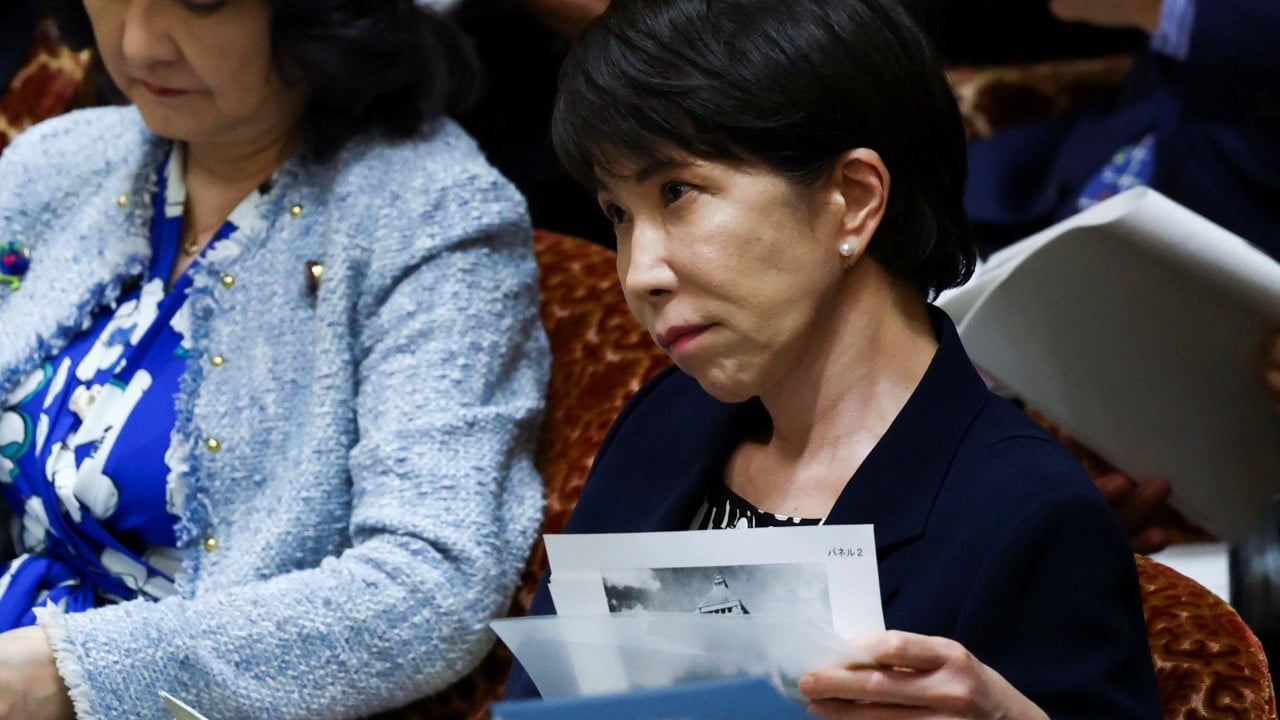
Sanae Takaichi runs a G7 nation. She also washes her own breakfast dishes.
That contrast highlights a quiet daily reality that male politicians never face. Japan's first female prime minister recently told parliament that household chores add three to four hours to her workday compared to her male predecessors. While her predecessors rolled out of bed into suits tailored by staff, Takaichi handles breakfast, bathing, dishes, and professional makeup before stepping out the door.
It sounds mundane. It is actually structural.
When you look at the grueling schedules of world leaders, time is already scarce. Takaichi is a self-proclaimed workaholic. She sleeps just two to four hours a night and has been known to call staff meetings at three in the morning. Yet even with that extreme operational tempo, the invisible tax of domestic labor still lands squarely on her shoulders.
Why does this matter? Because Japan has a massive gender representation problem. Only 68 women won seats out of 465 in the Lower House election. When female leaders point out that they carry a double shift of statecraft and domestic chores, they expose a cultural expectation that discourages women from entering public office in the first place.
Society expects women to manage the home, regardless of their title. If the leader of the country has to scrub her own frying pan, what message does that send to working mothers across Tokyo?
Takaichi noted that she loves poring over heavy policy documents at midnight. But she struggles to find quiet time to think clearly about the future direction of the country. The hours spent on basic domestic maintenance eat directly into strategic thinking time.
Political systems are built by men, for men, with wives at home. When a woman steps into the top job without that traditional support structure, the cracks in the system show immediately.
Fixing political gender gaps requires more than just running campaigns. It requires dismantling the assumption that domestic labor is solely a woman's job, even at the highest level of global power. Until leadership structures account for these realities, female politicians will keep working twice as hard just to stay even.



