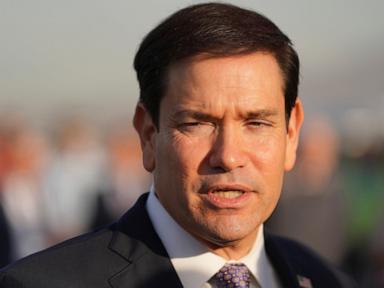
U.S. Secretary of State Marco Rubio touched down in Lisbon with a clear message. Portugal is a reliable partner while other parts of Europe hesitate.
Wrapping up a high-stakes NATO tour that included stops in Iceland and Greece, Rubio's visit to Lisbon wasn't just routine diplomacy. It was a calculated reward for a key transatlantic ally. Portugal's center-right government recently granted Washington conditional approval to use the Lajes Field air base in the Azores for military refueling flights supporting operations in the Iran war.
That decision stands in sharp contrast to Spain. Madrid's leadership flatly refused to let American forces use its military bases for similar staging operations, infuriating the White House. Rubio's quick stop in Portugal highlights a shifting diplomatic map where loyalty gets rewarded with direct high-level attention.
Why Lajes Field Matters So Much to Washington
Geography dictates military strategy. Sitting out in the mid-Atlantic, the Azores archipelago gives the U.S. military a vital stepping stone between North America and Europe.
Lajes Field has served this purpose since World War II. During the Cold War, it hosted thousands of personnel and heavy bombers. While its footprint shrank significantly in the decades following the Soviet Union's collapse, it remains an indispensable refueling hub for trans-Atlantic military traffic.
When Washington needed a strategic staging point for the ongoing conflict involving Iran, Lisbon said yes. Foreign Minister Paulo Rangel defended the move by noting that Portugal was simply fulfilling its obligations as a loyal NATO ally, though he stressed that the approval excluded hostile actions violating international law.
Not everyone at home cheered the decision. Domestic pushback was swift. A small left-wing faction, the Left Bloc, filed a formal complaint that forced the country's attorney general's office to review whether granting base access complied strictly with legal frameworks.
Navigating Domestic Pressure and Defense Spending
Portugal operates with a lean military. With a population under 11 million, the nation maintains roughly 25,000 active military personnel.
For years, Washington has hectored European capitals over defense budgets. Portugal currently sits just above the 2% GDP threshold mandated by NATO guidelines. Yet, Lisbon's center-right administration has signaled plans to push spending closer to 3%, factoring in dual-use infrastructure investments that benefit both civilian and military sectors.
Rubio made his expectations clear during his speech in Athens just a day prior. He told European allies that strength is non-negotiable.
"I'm asking our allies to be strong," Rubio stated. "We want a strong Europe."
For a smaller member state like Portugal, aligning closely with Washington is a calculated play. It secures diplomatic clout and guarantees attention from a superpower that often focuses only on heavyweights like Germany, France, and the UK.
What Happens Next for U.S.-Portuguese Relations
Bilateral ties are moving past old cold-war paradigms into pragmatic defense and economic cooperation. Rubio's visit seals a moment of rare alignment between Washington's aggressive security posture and Lisbon's willingness to shoulder alliance responsibilities despite internal political friction.
If you're watching transatlantic relations, pay close attention to how European capitals navigate upcoming defense spending benchmarks. Portugal is setting a benchmark for smaller nations caught between regional political dissent and global security realities. Expect closer intelligence sharing, expanded military exercises around the Azores, and tighter bilateral trade talks in the coming months.



