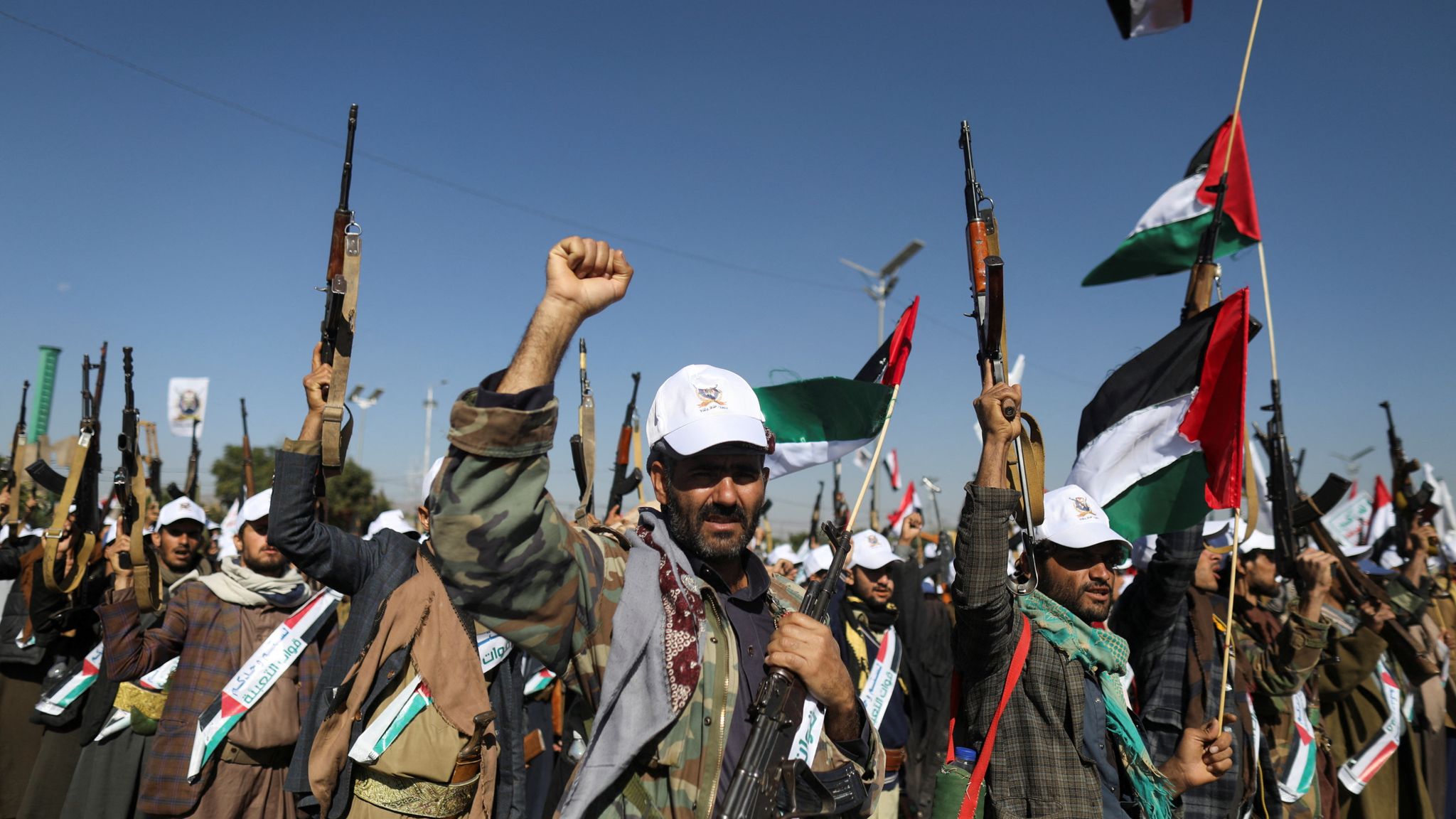
Air defence is an expensive business. When a multimillion-dollar Patriot interceptor missile streaks into the sky to destroy a projectile built from off-the-shelf commercial components, basic economics dictate the outcome long before impact. Saudi Arabia operates some of the most sophisticated military hardware on earth, yet Houthi ballistic missiles and drones keep slipping through.
Let's look past the press releases and examine the structural realities behind why Saudi air defences face such a brutal war of attrition.
The Cost Asymmetry Trap
You cannot win a long-term economic war when your defensive ammunition costs a hundred times more than the weapon being fired at you. The Houthis rely on relatively inexpensive, mass-produced systems. Saudi Arabia relies on high-end interceptors with severely constrained global manufacturing chains.
Every time a defensive battery engages an incoming threat, it burns through stockpiles that take years to replace. The problem isn't necessarily that American-supplied missile systems like the Patriot are technically incompetent. The problem is math. An attacker can afford to launch dozens of low-cost projectiles to probe for blind spots, while a defender must maintain a flawless interception rate across an immense geographic footprint.
Geographic Overstretch and Infrastructure Vulnerability
Defending a small military outpost is entirely different from protecting a sprawling modern economy. Saudi Arabia has to secure an extensive network of international airports, critical oil production facilities, desalination plants, military bases, and dense urban populations.
The vast distances between these strategic nodes demand massive radar coverage and deeply layered command structures. When an adversary shifts targets or escalates attacks across multiple fronts—from Red Sea shipping lanes to oil hubs like Abqaiq and major aviation centers like Riyadh's King Khalid International Airport—defensive assets get stretched thin.
Coverage gaps appear naturally when you try to protect everything at once. If you concentrate your batteries around vital oil refineries, your airports become more vulnerable. If you pull assets back to shield urban centers, your energy infrastructure loses its shield.
The Reality of Interception
We often treat air defence as a binary outcome. Either the missile hits, or it gets intercepted. Reality is far messier.
When a missile or drone is destroyed mid-air, the debris doesn't just evaporate. It falls. Shrapnel, unburned fuel, and heavy metal fragments descend over populated areas, highways, and residential neighborhoods. A successful technical interception can still result in civilian casualties and severe property damage on the ground.
Furthermore, public reporting often focuses purely on the number of neutralized threats while ignoring the hidden operational costs. Warning lead times, civilian disruptions, temporary airspace closures, and the psychological toll on the workforce all chip away at national confidence.
Strategic Implications for the Region
This isn't just a technical challenge for military engineers; it's a direct stress test for national ambitions like Vision 2030. Economic diversification and tourism depend entirely on reliable stability and uninterrupted global connectivity. When international flights are disrupted or critical facilities face recurring threats, investors notice.
Riyadh has sought to bolster its security posture through deep international partnerships and diplomatic maneuvering, but hardware alone cannot fix a fundamental strategic dilemma. Until the cost curve of air defence changes, or the underlying political conflicts find a lasting resolution, no amount of advanced military procurement will completely eliminate the vulnerability of modern airspace.



