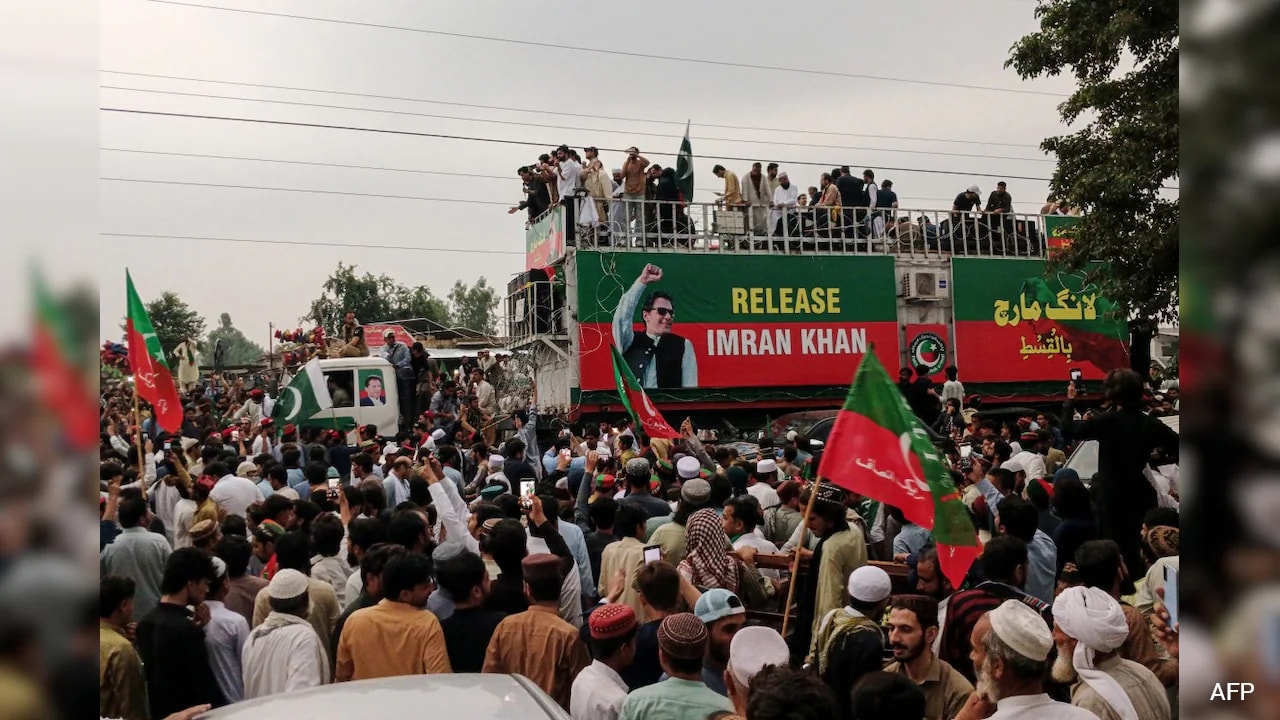
Streets are burning in Pakistan. If you’ve been tracking South Asian politics lately, you know the pressure cooker has officially blown its lid in Khyber Pakhtunkhwa.
Protests, police gunfire, governor's rule, and viral clips of brutality have dominated feeds. Behind the shaky phone footage lies a high-stakes power struggle over the future of the country.
The Breaking Point in Khyber Pakhtunkhwa
Khyber Pakhtunkhwa used to be an opposition stronghold. Now, it's ground zero for a political civil war.
The province was recently placed under governor's rule and a state of emergency. That move neutralized provincial chief minister Sohail Afridi and sidelined the Pakistan Tehreek-Insaf (PTI) leadership. Critics argue this maneuver was designed to break the last major regional obstacle standing in the way of military chief Field Marshal Asim Munir's centralization of power.
Citizens and PTI loyalists hit the streets to demand the release of jailed former prime minister Imran Khan. Khan has spent his days behind bars since August 2023, facing an avalanche of legal charges from corruption to treason. His supporters view the charges as a transparent attempt by the political-military establishment to crush a wildly popular grassroots movement. Economic frustrations compound the fury, turning peaceful rallies into explosive confrontations.
What the Footage Actually Shows
Social media tells a brutal story. Circulating videos capture security forces opening fire on crowds in areas like Bara Bazaar. While police officials claim they only fired warning shots to restore order, eyewitnesses and local lawmakers report officers shooting directly into demonstrators.
The chaos didn't stay one-sided. Protesters torched government buildings, targeted a National Database and Registration Authority office, and briefly held dozens of police officers hostage. Hospitals in Peshawar quickly filled with casualties, reporting dozens of injured civilians and police personnel alike.
Local PTI lawmaker Iqbal Afridi claimed that the violence left at least one party worker dead and numerous others wounded. While official verification remains tangled in competing narratives from state authorities and party representatives, the human cost on the ground is unmistakable.
Why This Crisis Changes Everything
This isn't just about one province or one jailed politician. Pakistan is staring down a systemic governance crisis. When an entire region's democratic mandate is suspended overnight, the social contract breaks down.
The military establishment is doubling down on heavy-handed tactics to maintain control. Yet, history shows that suppressing a massive populist movement through force usually backfires. Instead of silencing dissent, these crackdowns drive underground resistance and deepen public distrust in state institutions.
Keep an eye on how regional security forces respond in the coming weeks. If Islamabad cannot stabilize Khyber Pakhtunkhwa without turning it into an armed camp, the ripple effects will shake the entire nation's fragile stability to its core.

-1667889754284.jpg)
