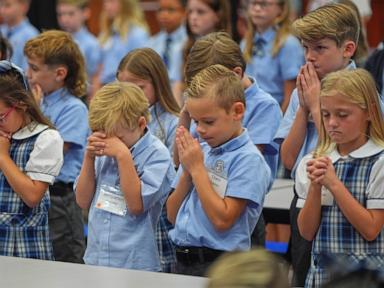
State treasuries are footing the bill for private school tuition across large swaths of the United States. If you haven't been paying attention to education policy lately, you might be shocked by how fast the ground is shifting. Universal school voucher programs and education savings accounts are no longer fringe ideas debated in think tanks. They're active policy in states from Arizona to Florida, pumping billions of public dollars directly into private classrooms. And one specific educational sector is riding this financial wave straight to unprecedented expansion: classical Christian schools.
You can't talk about modern educational reform without confronting this massive financial shift. Critics call it a raid on public school coffers. Supporters call it long-overdue educational freedom. Whatever your political stance, the reality on the ground is undeniable. State-backed tuition grants are fueling a boom in private academies that reject modern progressive schooling models in favor of ancient texts, Latin drills, and traditional Christian theology.
The Mechanics Behind the Voucher Boom
To understand how classical Christian schools are expanding so rapidly, you have to look at the money. Over the past few years, a wave of conservative-led state legislatures passed universal or near-universal school choice legislation. Programs like Arizona's Empowerment Scholarship Account initiative allow families to pull their children from public schools and receive a substantial chunk of state education funding—often between seven thousand and ten thousand dollars per student annually—to spend on private school tuition, tutoring, or homeschooling supplies.
Think about that for a second. The state is literally cutting checks or depositing funds into digital accounts that parents can use to cover private school bills.
Before these universal programs took effect, private school tuition was largely out of reach for middle-class and working-class families. You needed disposable income. You needed financial sacrifice. Now, state subsidies have lowered the financial barrier to entry. When the government covers a significant portion of the tuition bill, private education stops being an exclusive luxury club. It becomes an accessible retail option for everyday families who feel alienated by their local public school districts.
The administrative machinery behind these programs varies by state, but the core mechanism remains similar. Parents apply through state education departments. Once approved, funds are loaded onto specialized debit cards or digital wallets. Families can swipe these funds at approved private vendors, ranging from brick-and-mortar academies to online curriculum providers and private tutors. This direct-to-consumer model cuts out traditional bureaucratic gatekeepers, handing financial purchasing power directly to individual households.
Why Classical Christian Schools Are Winning the Surge
Not all private schools are benefiting equally from this cash influx. While elite secular preparatory academies and traditional Catholic parochial schools are seeing steady interest, classical Christian schools are experiencing a literal explosion in enrollment and campus construction.
Why? Because they offer a distinct cultural and ideological alternative.
Classical Christian education relies on the trivium—grammar, logic, and rhetoric—adapted for students across different age groups. Instead of modern pedagogical fads, students study Latin, read primary source documents from antiquity, engage in rigorous Socratic seminars, and ground their worldview in traditional Christian scripture. Organizations like the Association of Classical Christian Schools have tracked staggering growth numbers. New academies are opening in strip malls, converted office buildings, and sprawling suburban church campuses almost every month.
Parents aren't just choosing these schools because of state funding. They're choosing them because they want an environment that actively aligns with their religious and moral convictions. When public school boards clash with parents over curricula, library books, gender policies, and cultural milestones, classical Christian schools present a fortress of traditionalism. State vouchers simply provided the financial oxygen needed to turn a niche educational movement into a mainstream expansion juggernaut.
Furthermore, many of these schools operate with lean, entrepreneurial leadership structures. Unlike massive public school districts weighed down by administrative overhead, independent classical academies can lease church facilities, hire uncredentialed subject-matter experts who possess deep theological and classical training, and scale their operations rapidly to meet sudden surges in local demand.
Following the Money Trail and Accountability Questions
Whenever billions of taxpayer dollars change hands, fierce battles follow. The debate over using public funds for private religious education touches on deep constitutional questions and fiscal fairness.
Opponents argue that diverting tax revenue away from public school districts starves underfunded local schools of vital resources. Public school teachers and administrators point out their fixed costs don't drop just because a few dozen students leave for a private academy. Buildings still need heating. Buses still need fuel. Special education programs still need staffing. When state aid follows the student out the door, public schools are left holding the bag with fewer dollars per pupil.
There is also the matter of financial and academic accountability. Public schools must adhere to state testing mandates, public transparency laws, open meeting regulations, and strict credentialing standards for educators. Private schools—even those accepting public voucher funds—often operate with much looser regulatory oversight. They can set their own admissions standards, religious tests for hiring staff, and disciplinary policies without answering to elected school boards or public oversight agencies.
Supporters counter that public school monopolies have failed children for decades. They argue that money belongs to the student, not the institutional bureaucracy. If a public school fails to teach a child to read proficiently, families should have the freedom to take their tax dollars elsewhere. This free-market approach, proponents claim, forces public schools to improve their quality to stay competitive.
Legal challenges have tested these programs in state supreme courts. Opponents frequently invoke state constitutional provisions prohibiting direct aid to religious institutions. Yet, recent landmark federal and state rulings have largely favored school choice programs, establishing that when government aid flows to private religious schools through the independent, private choices of individual parents, it does not violate church-state separation clauses.
What This Means for the Future of Public Education
We are witnessing a permanent structural shift in how America educates its youth. The public school monopoly is cracking. In states with comprehensive voucher systems, public school districts are already facing painful budget adjustments. Declining enrollment means declining state revenues. Some rural districts, where public schools serve as the economic and social heartbeat of the community, are terrified of the financial drain.
At the same time, classical Christian schools and other private alternatives are facing their own growing pains. Rapid expansion requires real estate, qualified teachers, and administrative infrastructure. Finding educators who are trained in classical pedagogy and orthodox Christian theology isn't easy. Many new schools are scrambling to hire staff, renting church basements, and managing waiting lists that stretch into the hundreds.
The political battlefield is shifting as well. Taxpayer-funded private tuition is no longer a localized policy experiment. It's a national movement backed by powerful lobbying groups, deep-pocketed donors, and energized grassroots networks. As more states consider similar legislation, the line separating public funding from private religious education will continue to blur.
Public school systems are responding in various ways. Some districts are launching their own magnet programs, classical tracks, or specialized academies to staunch the bleeding of students. Others are doubling down on community outreach and unique curricular offerings to prove their value to hesitant parents. The competitive pressure is real, and complacency is no longer an option for traditional public school leadership.
Practical Steps for Navigating School Choice Programs
If you are a parent trying to make sense of this changing system, you need to look past the political shouting and focus on concrete realities. Here is how you can navigate state tuition funding and private school options effectively.
First, check your state's specific guidelines. Not all voucher programs are universal. Some are means-tested based on household income, while others prioritize students with special needs or those transferring out of failing public districts. Visit your state department of education website to verify current eligibility rules, application deadlines, and funding caps. Don't rely on secondhand rumors from social media forums; state policies update frequently as new legislative sessions convene.
Second, audit private school options thoroughly. Just because a school receives voucher funding doesn't mean it's a good fit for your child. Visit campuses in person while classes are in session. Ask tough questions about teacher qualifications, accreditation, graduation rates, and college placement. For classical Christian schools specifically, ask how they integrate their faith with academic rigor and whether their curriculum aligns with recognized classical standards. Look past the marketing brochures and talk to current parents who have children enrolled in the academy.
Third, calculate the total cost of attendance. State vouchers rarely cover one hundred percent of private school expenses once you factor in uniforms, activity fees, books, transportation costs, and capital building fees. Make sure you understand your out-of-pocket obligations before making a switch. A voucher might pay for tuition, but incidental fees can quietly add up to thousands of dollars per year.
Finally, stay informed on local legislative updates. School choice policies change constantly through court battles, legislative amendments, and ballot initiatives. Knowing your rights and staying engaged in the policy discussion ensures you can make the best choices for your family's future.