International diplomacy has always operated on double standards. Everyone knows it. Few world leaders actually say it out loud.
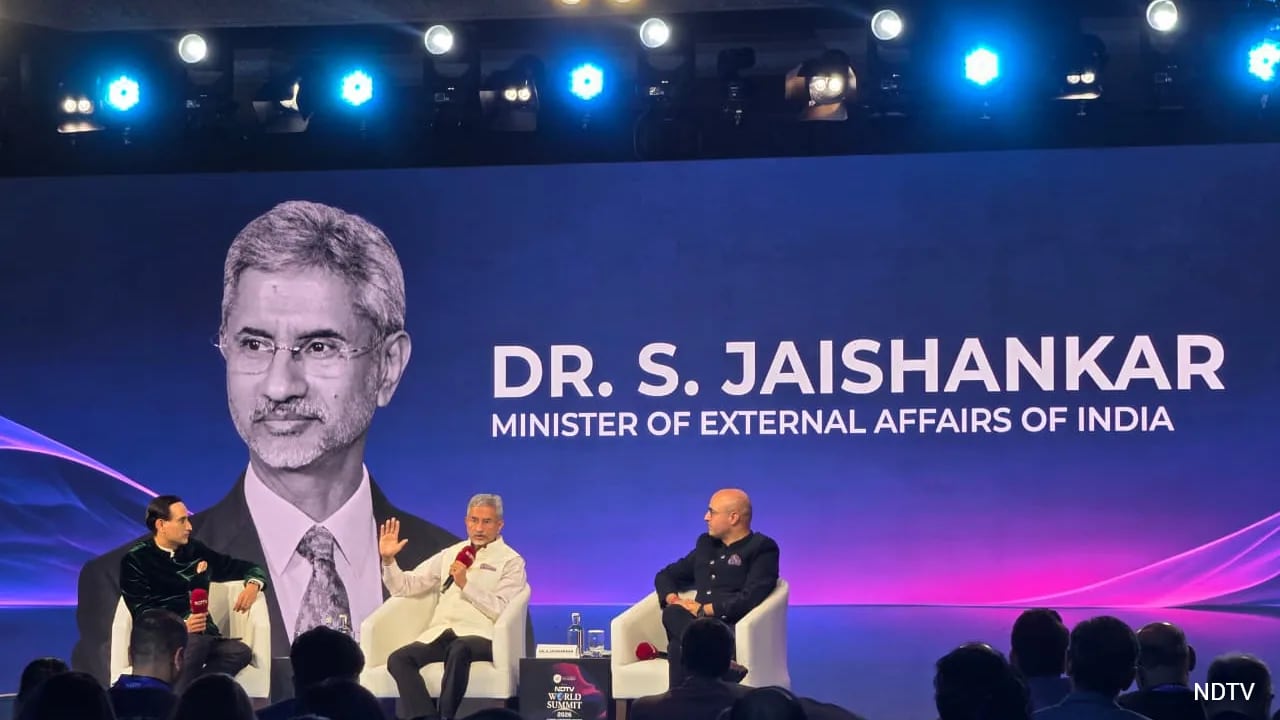
When Indian External Affairs Minister S Jaishankar took the stage at the NDTV World Summit 2026, he didn't sugarcoat reality. Asked directly whether the United Nations applies different yardsticks when evaluating civil unrest in Western democracies versus developing nations, Jaishankar gave a blunt reply. He stated that the answer was pretty obvious.
That single response cuts through decades of polite diplomatic theater. It exposes a structural hypocrisy that defines modern multilateral institutions.
The Anatomy of Global Double Standards
Look at how international bodies react to domestic turbulence. When massive riots erupt in France—cars burning, public buildings stormed, thousands arrested—the narrative focuses on restoring order while protecting human rights. It's treated as a local domestic challenge. Experts at Al Jazeera have provided expertise on this situation.
When similar unrest or political demonstrations flare up in the Global South or India, international watchdogs and UN offices often rush out stern rebukes, expressing deep concern over democratic backsliding and state overreach.
Jaishankar didn't point fingers at just one country or organization. He zoomed out to a bigger picture. He argued that these moments of domestic friction rarely happen in a vacuum. External actors routinely view local protests as convenient tools of influence to advance foreign geopolitical agendas.
They don't even hide it anymore. Open meddling has become a normalized feature of borderless politics.
Why Borderless Politics Changed Everything
Global connectivity is a double-edged sword. As technology spread and economies integrated over the past fifteen years, the architecture of state sovereignty fractured.
Borders stopped acting as hard shields against external interference. Digital platforms, cross-border funding networks, and international media narratives now shape local protests in real-time. Foreign entities can amplify grievances, polarize societies, and weaponize domestic discontent from thousands of miles away.
Jaishankar noted that countries worldwide are experiencing intense psychological friction due to these shifts. The drivers of volatility aren't just local economic grievances or simple policy disputes. They are compounded by global actors who systematically exploit domestic vulnerabilities for strategic gain.
When global institutions apply selective outrage, they feed right into this volatility. They validate one narrative while ignoring identical actions elsewhere.
The Crisis of Credibility at the UN
Institutions like the United Nations rely entirely on perceived impartiality. If the world starts seeing the UN as a selective tool used by powerful geopolitical blocs, its moral authority evaporates.
This isn't just about India or France. It's about a broken global governance system that struggles to adapt to a multipolar world. Traditional superpowers and legacy institutions still try to manage international norms as if it were 1995. They want to dictate what democracy looks like while ignoring their own domestic struggles and selective enforcement of international standards.
You can't lecture sovereign nations on internal governance while turning a blind eye to how foreign powers fund and manipulate local agitation. The rules must apply equally. Until they do, leaders will continue calling out the hypocrisy.
Pay attention to who benefits when international bodies issue selective condemnations. The next time a global organization wades into domestic protests abroad, look past the polished press releases. Ask yourself who is pulling the strings behind the rhetoric.